CM Himanta Assures Aid for Flood-Hit Assam Farmers
Synopsis
Assam Chief Minister Himanta Biswa Sarma on 20 July 2026 pledged protection, rescue, and timely assistance for flood-affected farmers and families as the state battles its annual monsoon flood crisis along the Brahmaputra basin.
Key Takeaways
Assam CM Himanta Biswa Sarma publicly assured flood-hit farmers of state protection, rescue, and timely relief on 20 July 2026 .
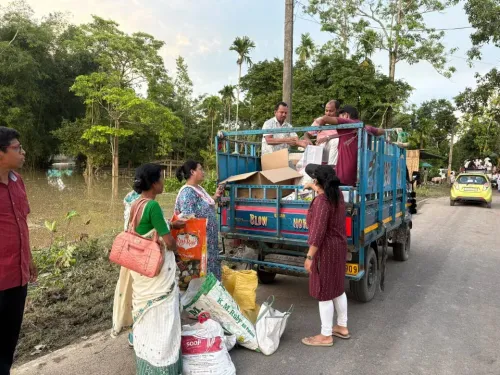
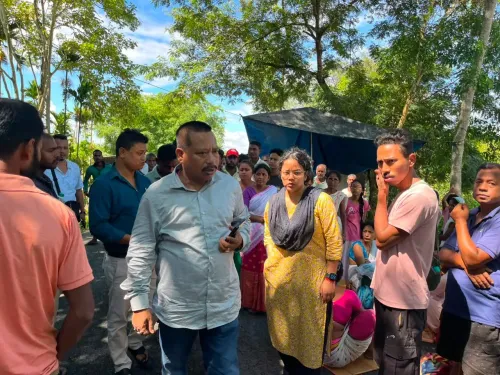
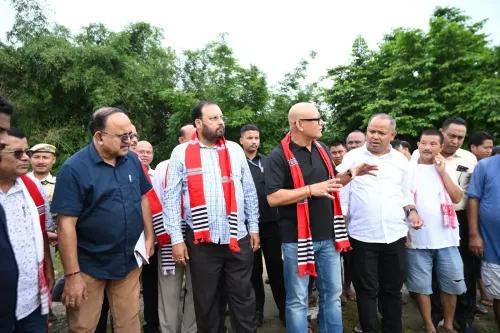
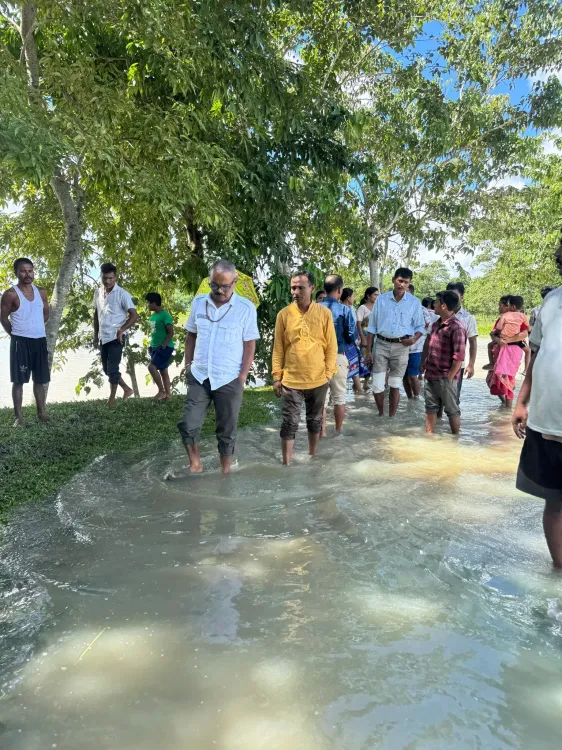
The statement was made in Assamese and accompanied by three images , signalling active ground-level engagement.
Assam faces annual monsoon flooding from the Brahmaputra River that routinely destroys standing crops and displaces rural households.
The state's flood relief framework is governed by the Disaster Management Act, 2005 , with funds drawn from the SDRF and NDRF .
District-wise damage assessments and compensation disbursals under SDRF/NDRF norms are expected in the coming weeks.
Assam Chief Minister Himanta Biswa Sarma on Monday, 20 July 2026, reaffirmed the state government's commitment to protecting, rescuing, and providing timely relief to flood-affected farmers and rural families across the state, amid the ongoing monsoon flood crisis.
Posting in Assamese, the Chief Minister stated: 'বানপীড়িত কৃষক ৰাইজৰ সুৰক্ষা, উদ্ধাৰ আৰু সময়মতে সাহায্য সুনিশ্চিত কৰি আছোঁ।' — 'We are ensuring the protection, rescue, and timely assistance of flood-affected farming communities. During this crisis, we stand beside every affected family.'
Context
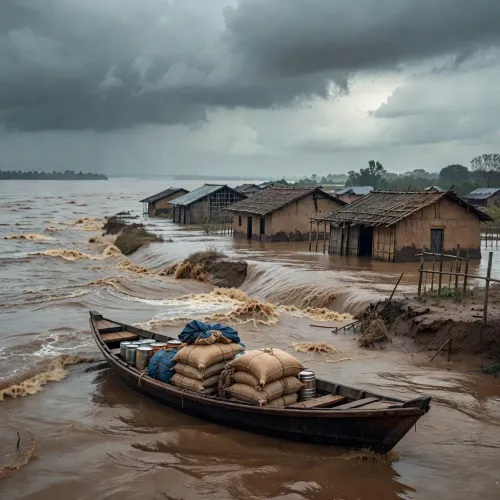
Assam experiences severe monsoon flooding almost every year, with the Brahmaputra River and its tributaries regularly breaching their banks and inundating agricultural land, villages, and infrastructure. The flooding typically peaks between June and August, destroying standing crops and displacing thousands of rural households. The 2026 flood season has once again placed farming communities at the centre of the state's emergency response efforts.
Chief Minister Sarma's post, accompanied by three images, signals active government engagement on the ground during the peak of the crisis, consistent with the administration's practice of public communication during natural disasters.
Policy Backdrop
The state's flood response framework draws on the Disaster Management Act, 2005, which established structured mechanisms for rescue coordination, relief distribution, and compensation. The State Disaster Response Fund (SDRF) and the National Disaster Response Fund (NDRF) together form the financial backbone for ex-gratia payments to affected farmers and families, a system that has been operational since the late 2000s.
Successive Assam governments have conducted annual evacuation drives, set up relief camps, and disbursed agricultural compensation under these norms. The current administration under Sarma has continued and, in its own framing, expanded these seasonal welfare operations, emphasising real-time communication with citizens during emergencies.
Stakeholders and Impact
The primary stakeholders are flood-affected farmers and rural households spread across multiple districts along the Brahmaputra basin. Crop loss during the monsoon season directly threatens livelihoods, food security, and the broader rural economy of the state. Timely rescue operations and relief disbursement are critical to preventing long-term economic distress for these communities.
The state's district administrations, the Assam State Disaster Management Authority (ASDMA), and central paramilitary units typically coordinate on-ground rescue efforts, while revenue officials conduct damage assessments that determine compensation eligibility under SDRF/NDRF norms.
What's Next
District-wise damage assessments are expected in the weeks following the flood peak, with compensation releases under SDRF and NDRF norms to follow. The Chief Minister's public assurance sets an expectation of swift administrative action, and the speed of relief disbursal will be closely watched by affected communities and opposition parties alike. A formal damage report covering crop loss, livestock deaths, and infrastructure destruction will likely determine the scale of central assistance sought by the state government.
Point of View
Designed to reassure a predominantly rural electorate during the most economically vulnerable period of the year. The use of the vernacular signals direct outreach to affected communities rather than a broader political audience. Flood relief has long been a politically sensitive issue in Assam, where the speed and equity of compensation disbursals have historically shaped public trust in the incumbent administration. The post fits a broader pattern of the BJP-led state government using real-time social media engagement to project administrative responsiveness during crises.
NationPress
20 Oct 2026
Frequently Asked Questions
What did Assam CM Himanta Biswa Sarma say about the floods?
On 20 July 2026, CM Himanta Biswa Sarma said the state government is ensuring protection, rescue, and timely assistance for flood-affected farmers and stands beside every affected family during the crisis.
Which river causes flooding in Assam every year?
The Brahmaputra River and its tributaries are the primary cause of annual monsoon flooding in Assam, regularly inundating agricultural land and villages across multiple districts.
What fund is used for flood relief in Assam?
The State Disaster Response Fund (SDRF) and the National Disaster Response Fund (NDRF), established under the Disaster Management Act, 2005, are the main financial mechanisms for flood rescue and farmer compensation in Assam.
How does the Assam government help flood-affected farmers?
The Assam government conducts rescue and evacuation operations, sets up relief camps, and disburses ex-gratia payments and agricultural compensation to flood-affected farmers under SDRF and NDRF norms following district-level damage assessments.
When does flooding typically peak in Assam?
Monsoon flooding in Assam typically peaks between June and August each year, when the Brahmaputra and its tributaries overflow due to heavy rainfall across the region.