LPG price hiked ₹29 per cylinder in Delhi; 2nd rise since Middle East conflict
Synopsis
India's domestic LPG cylinder price has been raised for the second time in three months — now at ₹942 in Delhi — as state-owned oil companies bleed roughly ₹703 per cylinder even after the hike. With petrol, diesel, and CNG also rising, the Centre's partial pass-through strategy is running out of room.
Key Takeaways
LPG cylinder price in Delhi raised by ₹29 to ₹942 effective 7 June .
This is the second hike in three months ; the first was a ₹60 increase on 7 March .
State-run oil companies were reportedly losing around ₹703 per cylinder before the latest revision.
Petrol and diesel prices have risen a cumulative ₹7.50 per litre since mid-May; CNG up ~ ₹6 per kg .
OMCs are still reportedly losing ₹11/litre on petrol and ₹33.6/litre on diesel despite recent hikes.
The Centre has not allowed a full cost pass-through, absorbing part of the burden through state-owned retailers.
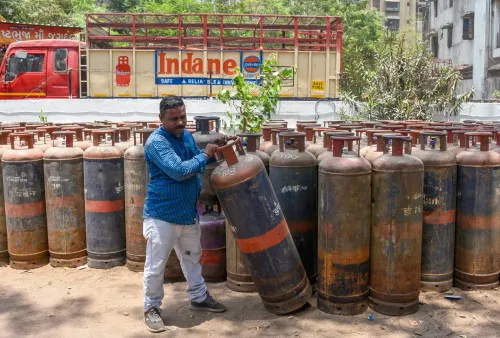
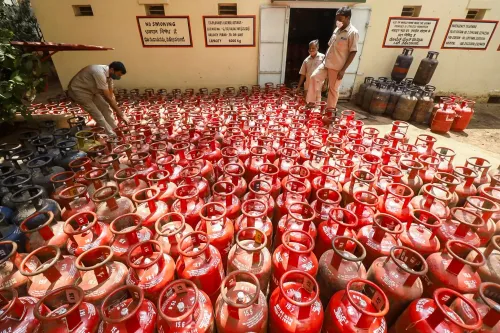
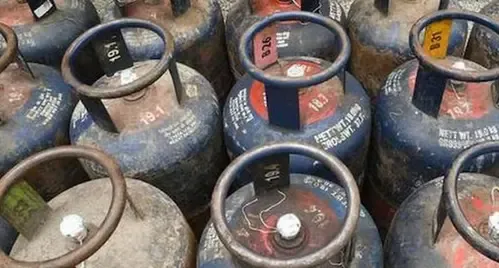
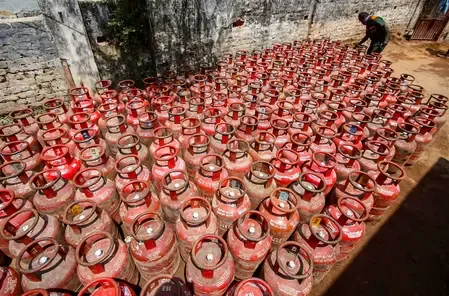
Domestic LPG cylinder prices were raised by ₹29 per cylinder with effect from Sunday, 7 June, pushing the cost of a 14.2-kg domestic cooking gas cylinder in Delhi to ₹942 from ₹913, according to industry sources. This marks the second price hike in three months, as state-owned oil marketing companies (OMCs) continue to absorb losses driven by elevated global energy costs linked to the ongoing Middle East conflict.
Background to the Hike
The earlier revision — a ₹60-per-cylinder increase — was announced on 7 March, shortly after geopolitical tensions in the Middle East disrupted global energy markets and drove up international fuel prices. Despite that adjustment, OMCs were reportedly unable to fully recover their mounting losses on subsidised domestic LPG sales.
Industry estimates suggest that prior to Sunday's revision, state-run fuel retailers were losing approximately ₹703 on every domestic LPG cylinder sold. The fresh ₹29 hike is expected to partially offset those losses, though companies are still believed to be under significant financial strain due to high import and supply costs.
Broader Fuel Price Surge
The LPG revision is part of a wider upward movement in domestic fuel prices. Petrol and diesel prices have risen by a cumulative ₹7.50 per litre since mid-May, while compressed natural gas (CNG) rates have climbed by around ₹6 per kg over the same period.
Notably, industry estimates indicate that OMCs are still selling petrol and diesel below cost, incurring losses of about ₹11 per litre on petrol and ₹33.6 per litre on diesel — underscoring the scale of the gap between global crude prices and domestic retail rates.
Government's Balancing Act
The Centre has so far stopped short of allowing a full pass-through of international energy costs to consumers. Authorities appear to be weighing inflation concerns against the financial health of state-owned OMCs, with the burden split between subsidised retail prices and losses absorbed by the companies. Critics argue this approach, while protecting consumers in the short term, risks deepening the financial stress on fuel retailers.
What's Next
Global energy markets remain volatile, with geopolitical tensions in the Middle East continuing to exert upward pressure on crude oil and refined fuel prices. Unless international prices ease, further revisions to domestic LPG and fuel rates cannot be ruled out, according to industry observers.
Point of View
It is a deferral. The government is essentially using state-owned oil companies as a fiscal buffer against inflation, a tool that worked when crude was range-bound but buckles under sustained geopolitical pressure. With petrol and diesel losses also widening, the cumulative strain on OMC balance sheets is becoming a structural problem, not a temporary one. The harder question — whether to fully deregulate LPG pricing or absorb the cost through the budget — has been consistently avoided, and that evasion is getting more expensive by the month.
NationPress
24 Sept 2026
Frequently Asked Questions
By how much has the LPG cylinder price been increased in June 2025?
The price of a 14.2-kg domestic LPG cylinder in Delhi has been raised by ₹29, taking it to ₹942 from ₹913, effective 7 June 2025. This is the second hike since the Middle East conflict began disrupting global energy markets.
Why have LPG prices been increased again?
State-owned oil marketing companies have been incurring heavy losses on domestic LPG sales due to elevated global energy costs linked to the ongoing Middle East conflict. Industry estimates put the per-cylinder loss at around ₹703 before the latest revision, making a price adjustment unavoidable.
When was the previous LPG price hike?
The previous hike was announced on 7 March, when LPG cylinder prices were raised by ₹60. That increase followed the outbreak of the Middle East conflict, which pushed up international fuel prices significantly.
Are petrol and diesel prices also rising?
Yes. Petrol and diesel prices have risen by a cumulative ₹7.50 per litre since mid-May, and CNG rates have increased by around ₹6 per kg over the same period. Despite these hikes, OMCs are reportedly still selling both fuels below cost.
Has the government fully passed on the rise in global energy costs to consumers?
No. The Centre has so far absorbed a portion of the burden through state-owned oil marketing companies rather than allowing a complete cost pass-through to consumers. This approach aims to contain retail inflation but has left OMCs under sustained financial pressure.