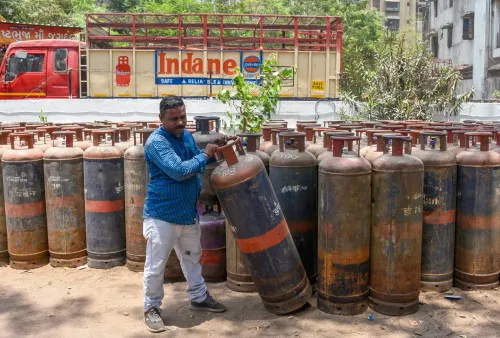
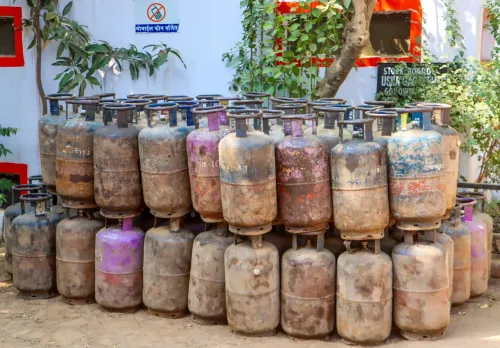
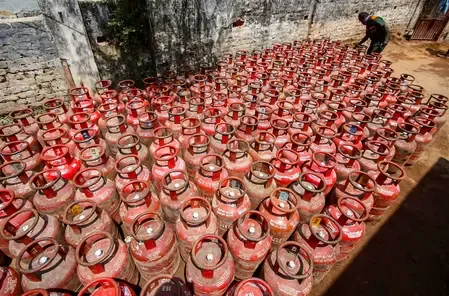
Commercial LPG price hike: Delhi cylinder up ₹42 to ₹3,113.50 from June 1
Synopsis
Commercial LPG prices have more than doubled in five months — from ₹1,691.50 in January to ₹3,113.50 in Delhi as of June 1. With CNG, petrol, and diesel also rising sharply, businesses dependent on fuel for both cooking and transport are facing a compounding cost crisis that could soon push up consumer prices.
Key Takeaways
A 19-kg commercial LPG cylinder in Delhi now costs ₹3,113.50 after a ₹42 hike effective 1 June .
Kolkata saw a steeper increase of ₹53.50 , taking its price to ₹3,255.50 per cylinder.
Commercial LPG prices in Delhi have surged by over ₹1,400 since January 2025 , when the rate was ₹1,691.50 .
The 5-kg FTL cylinder price has been raised by ₹11 to ₹821.50 in Delhi; domestic LPG prices remain unchanged.
CNG in Delhi has risen by a cumulative ₹6 per kg since 15 May , now at ₹83.09 per kg .
Petrol is up ₹7.35 per litre and diesel up ₹7.53 per litre in recent weeks, compounding business operating costs.
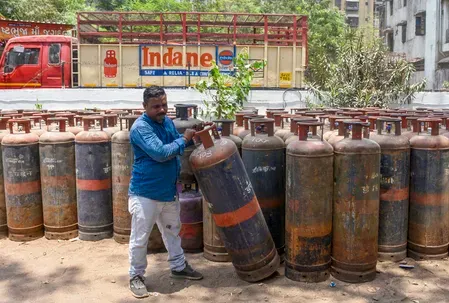
Commercial LPG cylinder prices were revised upward effective 1 June, pushing the cost of a 19-kg commercial cylinder in Delhi to ₹3,113.50 — a jump of ₹42 — as oil marketing companies passed on the latest round of fuel cost increases to businesses. The hike adds fresh pressure on restaurants, hotels, caterers, and small enterprises that depend on commercial cooking gas.
City-Wise Price Impact
The revision is not uniform across cities. In Kolkata, the increase is steeper at ₹53.50, taking the retail price to ₹3,255.50 per cylinder. A 19-kg commercial cylinder now retails at ₹3,024.50 in Mumbai, ₹3,232 in Chennai, ₹3,294 in Hyderabad, and ₹3,322 in Patna.
Oil marketing companies have also raised the price of 5-kg Free Trade LPG (FTL) cylinders by ₹11, taking the Delhi rate to ₹821.50. Notably, prices of domestic LPG cylinders have been left unchanged, offering some relief to household consumers.
A Sharp Climb Since January
The June 1 revision is the latest in a series of steep monthly increases that have more than doubled commercial LPG costs within five months. In January, a 19-kg cylinder in Delhi was priced at ₹1,691.50. Since then, prices have surged by over ₹1,400 through successive revisions: ₹49 in February, ₹115 in March, and a record ₹993 jump in April alone. Rates held at elevated levels through May before being revised again in June.
This is the sharpest cumulative increase in commercial LPG prices in recent memory, and it arrives at a time when businesses are already absorbing higher transportation and raw material costs.
Wider Fuel Cost Surge
The LPG hike is part of a broader upward movement across fuel categories. Compressed Natural Gas (CNG) prices in Delhi and adjoining areas have risen by ₹2 per kg to ₹83.09 per kg, with a cumulative increase of ₹6 per kg across four revisions since 15 May.
Petrol prices have increased by ₹7.35 per litre and diesel by ₹7.53 per litre in multiple rounds in recent weeks. For businesses that rely on both road transport and commercial cooking fuel, the compounded cost pressure is significant.
What Is Driving the Increases
Industry observers attribute the sustained rise to ongoing volatility in global energy markets and disruptions in international supply chains, which continue to influence domestic fuel pricing across sectors. The government has not announced any subsidy or relief mechanism for commercial LPG users at this stage.
With fuel costs rising on multiple fronts simultaneously, commercial establishments — particularly small and mid-scale food businesses — face mounting pressure on margins, and analysts expect the cumulative impact to feed into consumer prices in the weeks ahead.
Point of View
But the small dhaba owner or mid-scale caterer has no such buffer. The cumulative ₹1,400-plus rise in five months, layered on top of CNG, petrol, and diesel increases, is a structural cost shock for food-service businesses — one that will eventually reach the plate. The absence of any targeted relief mechanism for commercial users, even a temporary one, is a policy gap worth scrutiny.
NationPress
26 Sept 2026
Frequently Asked Questions
What is the new commercial LPG cylinder price in Delhi from June 1?
A 19-kg commercial LPG cylinder in Delhi costs ₹3,113.50 from 1 June, after an increase of ₹42. This is the latest in a series of monthly revisions that have pushed the price up by over ₹1,400 since January 2025.
How much have commercial LPG prices increased since January 2025?
Commercial LPG prices in Delhi have risen by more than ₹1,400 in five months, from ₹1,691.50 in January to ₹3,113.50 in June. The sharpest single revision was ₹993 in April, followed by increases of ₹49 in February and ₹115 in March.
Have domestic LPG cylinder prices also been hiked?
No — domestic LPG cylinder prices have not been changed in the latest revision, offering relief to household consumers. Only commercial 19-kg cylinders and 5-kg Free Trade LPG cylinders have seen price increases.
Which cities have the highest commercial LPG prices after the June hike?
Among major cities, Patna has the highest rate at ₹3,322 per 19-kg cylinder, followed by Hyderabad at ₹3,294, Kolkata at ₹3,255.50, Chennai at ₹3,232, Delhi at ₹3,113.50, and Mumbai at ₹3,024.50.
Why are commercial LPG prices rising so sharply in 2025?
Industry observers attribute the increases to sustained volatility in global energy markets and disruptions in international supply chains. The government has not announced any subsidy or relief mechanism specifically for commercial LPG users.