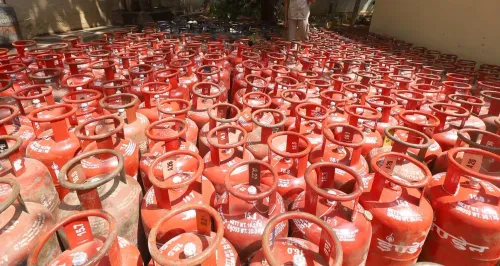
Commercial LPG cylinder prices cut by ₹183.5 from July 1
Synopsis
State-owned OMCs have slashed commercial LPG cylinder prices by up to ₹183.5 — the steepest cut in recent months — reversing a run of increases tied to the West Asia conflict. With supply restrictions also eased and C3-C4 stream controls lifted, the move signals a meaningful shift in India's energy supply posture, though household cylinder prices remain untouched.
Key Takeaways
OMCs cut 19-kg commercial LPG cylinder prices by up to ₹183.5 effective 1 July .
Delhi and Lucknow saw the largest reduction of ₹183.5 ; Delhi price now stands at ₹2,930 .
Kolkata price reduced to ₹3,081.50 from ₹3,255.50 ; Patna at ₹3,227 .
The government restored 50 per cent of supplies to commercial users whose allocations had been suspended.
The 14.2-kg domestic LPG cylinder price remains unchanged .
Earlier, the government had invoked the Essential Commodities Act to redirect C3-C4 streams exclusively to LPG production during the supply crunch.
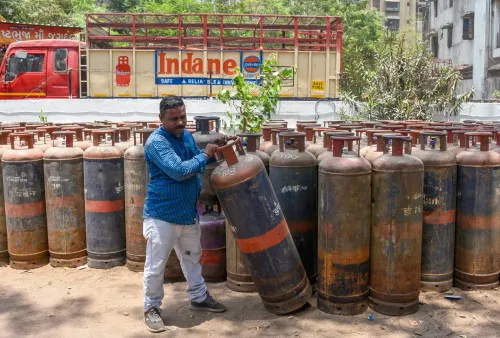
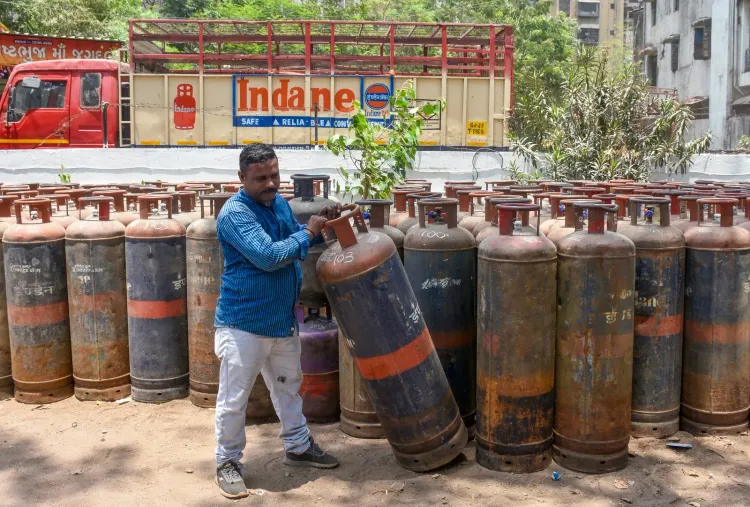
State-owned oil marketing companies (OMCs) on Wednesday, 1 July slashed the price of 19-kg commercial LPG cylinders by up to ₹183.5 across major Indian cities, delivering direct relief to restaurants, hotels, and other commercial establishments that rely on the fuel for cooking operations. The revised rates came into effect immediately from 1 July.
City-Wise Price Cuts
The steepest reductions were recorded in Delhi and Lucknow, where prices fell by ₹183.5 per cylinder. Chandigarh saw a cut of ₹181.5, while Kolkata and Patna received reductions of ₹174 and ₹173 respectively.
Following the revision, a 19-kg commercial LPG cylinder in Delhi now costs ₹2,930, down from ₹3,113. In Chandigarh, the new price stands at ₹2,954.50. Consumers in Kolkata will pay ₹3,081.50, reduced from ₹3,255.50, while those in Patna will pay ₹3,227.
What Triggered the Reduction
The price cut follows a period of sustained increases driven by rising global energy costs linked to the West Asia conflict. This comes amid a broader easing of supply-side pressures that had earlier compelled the government to impose strict fuel allocation controls.
Notably, the government had previously invoked the Essential Commodities Act, directing that C3-C4 streams be used exclusively for LPG production, diverting them away from petrochemical and downstream industrial uses — a wartime measure aimed at protecting household fuel supply.
Supply Restrictions Eased
Earlier in the month, authorities relaxed LPG supply restrictions for commercial and industrial users after fuel availability improved. The government restored 50 per cent of supplies to customers whose allocations had previously been suspended, as part of steps taken to prioritise domestic household demand during the supply crunch.
OMCs have also been directed to maintain comprehensive data on commercial and industrial LPG consumers to support efficient planning and supply management going forward.
Domestic Cylinder Prices Unchanged
The 14.2-kg domestic LPG cylinder price remains unchanged, meaning household consumers will not see any immediate change in their cooking gas bills. The relief is targeted solely at the commercial segment, where fuel costs directly affect operating margins for food-service businesses.
With global energy markets showing signs of stabilisation, further revisions in commercial LPG pricing will depend on the trajectory of international crude and LPG benchmarks in the weeks ahead.
Point of View
But it is essentially a partial reversal of increases that accumulated during the West Asia conflict — not a structural reset. The government's decision to leave domestic cylinder prices unchanged is a deliberate choice that keeps household inflation optics clean while letting commercial operators absorb the earlier pain. The real question is whether the easing of C3-C4 stream restrictions signals a durable normalisation of global energy supply, or a temporary reprieve. Restaurants and hotels, many of which operate on thin margins, will welcome the relief — but a single revision does not offset months of elevated input costs.
NationPress
29 Sept 2026
Frequently Asked Questions
By how much have commercial LPG cylinder prices been cut from 1 July?
State-owned OMCs have cut 19-kg commercial LPG cylinder prices by up to ₹183.5, with the largest reductions in Delhi and Lucknow. The revised rates took effect from 1 July.
What is the new price of a 19-kg commercial LPG cylinder in Delhi?
A 19-kg commercial LPG cylinder in Delhi now costs ₹2,930, down from ₹3,113 before the revision. The cut of ₹183.5 is among the steepest across major cities.
Has the domestic LPG cylinder price also been reduced?
No. The price of the 14.2-kg domestic LPG cylinder remains unchanged. The current price revision applies exclusively to 19-kg commercial cylinders.
Why were commercial LPG prices rising before this cut?
Commercial LPG prices had seen multiple increases due to rising global energy costs triggered by the West Asia conflict. The government had also imposed supply restrictions and invoked the Essential Commodities Act to prioritise domestic household fuel needs.
What supply measures has the government taken for commercial LPG users?
The government has restored 50 per cent of LPG supplies to commercial and industrial users whose allocations had been suspended during the supply crunch. OMCs have also been directed to maintain detailed data on commercial consumers to improve supply planning.