Nadda Shares Modi's Vision: Yoga and Ayurveda as India's Global Force
Synopsis
On Independence Day 2026, Union Health Minister J. P. Nadda quoted PM Modi declaring yoga has kept the world connected with India, invoking Ayurveda and the 'Heal in India' movement as pillars of India's global civilisational confidence.
Key Takeaways
Union Health Minister J.
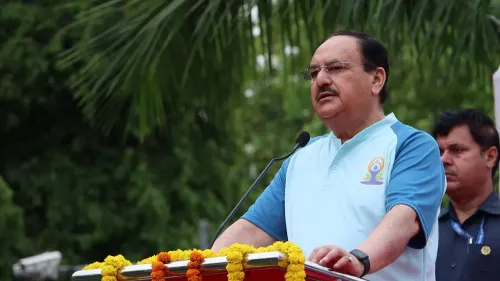
Nadda shared PM Narendra Modi 's Independence Day remarks on 15 August 2026 , linking yoga and Ayurveda to India's global standing.
PM Modi described yoga as 'an energy source for the world' and 'a great source of confidence for India.' The 'Heal in India' movement was cited as a vehicle to take India's holistic healthcare capabilities to the global stage.
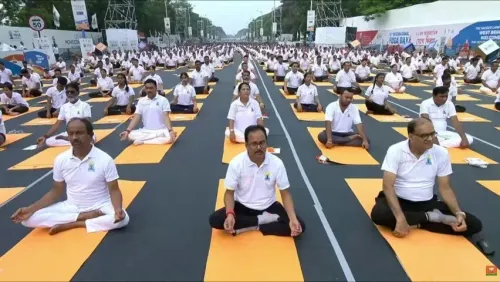
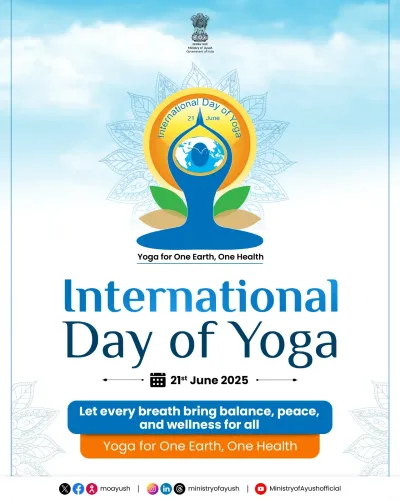
The UN declared 21 June as International Day of Yoga in 2014 following India's proposal — a foundational moment in this soft-power strategy.
The Ministry of AYUSH , created in November 2014 , institutionalised government support for traditional medicine systems including Ayurveda and Yoga.
The messaging signals continued political priority for medical tourism and holistic healthcare as instruments of Indian diplomacy.
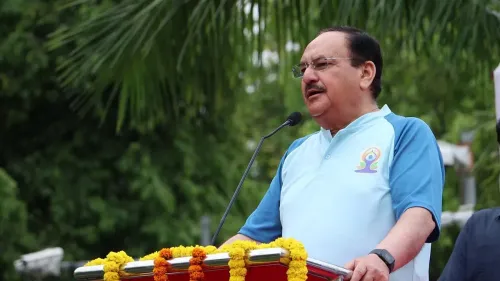
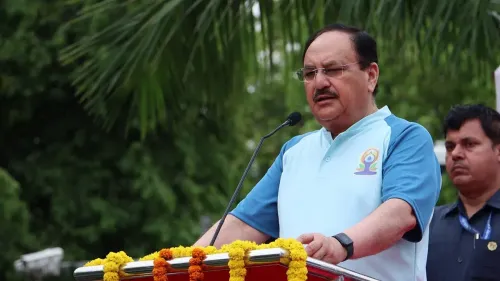
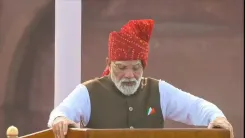
On Independence Day, 15 August 2026, Union Health Minister J. P. Nadda amplified a message that goes far beyond wellness — quoting Prime Minister Narendra Modi to frame yoga, Ayurveda, and holistic healthcare as the cornerstones of India's emerging global identity.
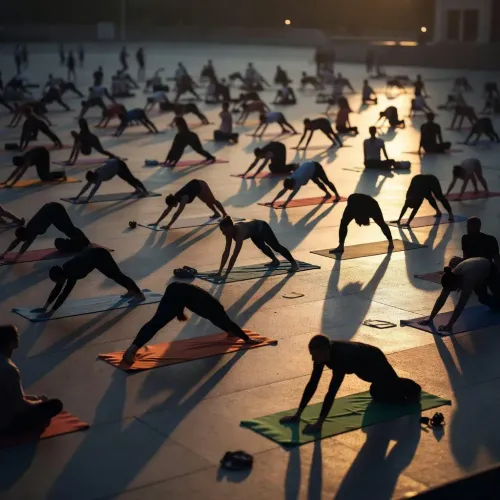
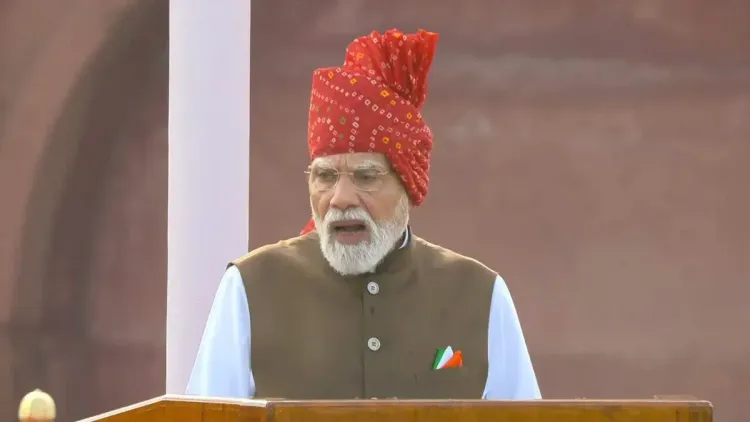
Quoting the Prime Minister, Nadda shared: 'Aaj yoga ne poori duniya ko Bharat ke saath jod ke rakha hua hai' — 'Today, yoga has kept the entire world connected with India.' Modi's words, shared on the national holiday, cast yoga not merely as an ancient practice but as a living diplomatic bridge between India and the world.
From Ancient Tradition to Active Soft Power
This framing did not emerge overnight. When India successfully proposed the United Nations General Assembly declaration of 21 June as the International Day of Yoga in 2014, it marked the opening move of a deliberate cultural diplomacy strategy. The creation of the Ministry of AYUSH in November 2014 institutionalised that bet — giving Ayurveda, Yoga, Unani, Siddha, and Homeopathy a dedicated seat at the policy table for the first time. More than a decade on, the Prime Minister's Independence Day message signals that the ambition has only grown. 'Yoga is becoming an energy source for the world,' Modi said, 'and a great source of confidence for India.''Heal in India' and the Medical Tourism Bet
The Prime Minister's remarks specifically invoked the 'Heal in India' movement — a campaign to position the country as a premier destination for holistic healthcare and medical value travel. The pitch is direct: a nation that holds centres of faith, a living Ayurvedic tradition, and a comprehensive system of holistic healthcare can carry that strength onto the world stage. For India's AYUSH practitioners and the medical tourism sector, the Independence Day spotlight from the country's top two leaders is a signal that this space remains a government priority. The convergence of cultural credibility and healthcare infrastructure is precisely what the Heal in India framework is designed to monetise globally.Independence Day as a Strategic Stage
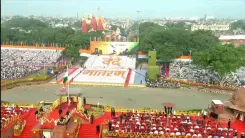
The choice of 15 August to broadcast this message is deliberate. Independence Day addresses in India carry the weight of national vision-setting — and framing yoga and Ayurveda as instruments of global influence on this day plants them firmly in the conversation about what kind of power India wants to be. Not just economic. Not just military. Civilisational. As India's soft-power infrastructure matures, the next test will be concrete: whether medical tourism numbers climb, whether new international partnerships take shape under the Heal in India framework, and whether the next International Yoga Day brings fresh institutional commitments. The vision is vivid. The scoreboard is still being written.Point of View
The government signals that wellness diplomacy is not a peripheral agenda but a core pillar of India's identity projection. The 'Heal in India' invocation is particularly telling: it attempts to convert cultural credibility into an economic proposition for the medical tourism sector. The real test of this vision's maturity will come in measurable outcomes — tourist arrivals, international AYUSH partnerships, and institutional commitments on the next Yoga Day.
NationPress
15 Aug 2026
Frequently Asked Questions
What did PM Modi say about yoga on Independence Day 2026?
PM Modi said yoga has kept the entire world connected with India, calling it an energy source for the world and a source of national confidence, while also invoking the 'Heal in India' movement and India's Ayurvedic tradition as tools of global outreach.
What is the 'Heal in India' movement?
'Heal in India' is a campaign to position India as a destination for holistic healthcare and medical value travel, leveraging the country's traditions of Ayurveda, yoga, and integrative wellness to attract international patients and health-seekers.
When was International Day of Yoga established?
The United Nations General Assembly declared 21 June as International Day of Yoga in 2014 , following a proposal by India under Prime Minister Narendra Modi.
What is the Ministry of AYUSH?
The Ministry of AYUSH was created in November 2014 to promote and develop traditional Indian systems of medicine including Ayurveda, Yoga, Unani, Siddha, and Homeopathy.
Why did JP Nadda post about yoga on Independence Day?
As Union Health Minister and BJP national president, Nadda shared PM Modi's Independence Day remarks to reinforce the government's framing of yoga and Ayurveda as pillars of India's global soft power and healthcare diplomacy.