Nadda Hails Yoga as Lifelong Journey on IDY 2026
Synopsis
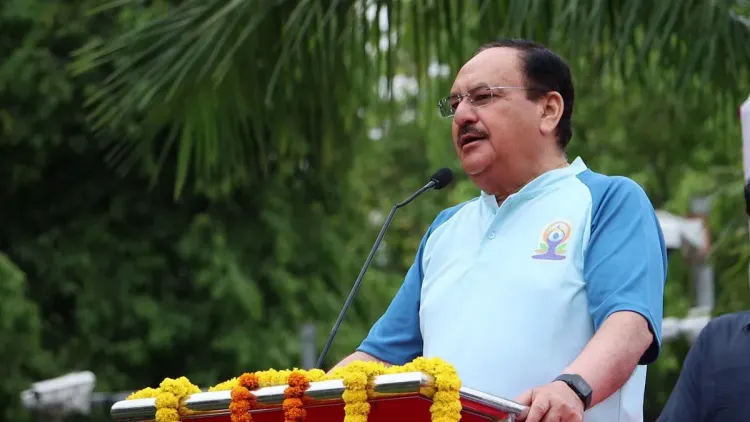
On International Day of Yoga 2026, Union Health Minister J. P. Nadda called yoga an infinite lifelong journey, credited PM Modi for globalising the practice, and highlighted the UN's recognition of 21 June as proof that yoga is now a shared heritage of all humanity.
Key Takeaways
Union Health Minister J.
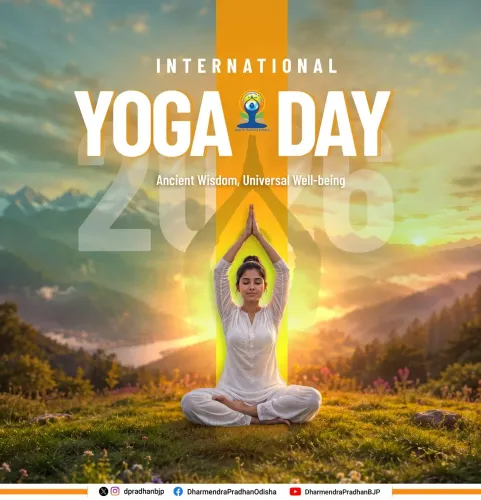
Nadda posted on 21 June 2026 , marking International Day of Yoga (IDY 2026) .
Nadda described yoga as an 'infinite and lifelong endeavour' in which no practitioner can claim perfection.
He credited Prime Minister Narendra Modi with rendering 'a great service to humanity' by taking yoga to the global stage.
The United Nations recognised 21 June as International Day of Yoga through Resolution 69/131 in 2014 , with the first observance in 2015 .
The post was tagged #IDY2026 and #YogaForHealthyAgeing , signalling a policy focus on elderly wellness.
India has promoted yoga as a vehicle of soft power and public-health diplomacy since 2014 .
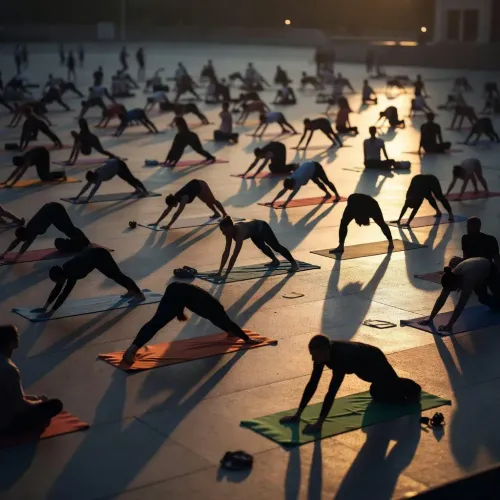
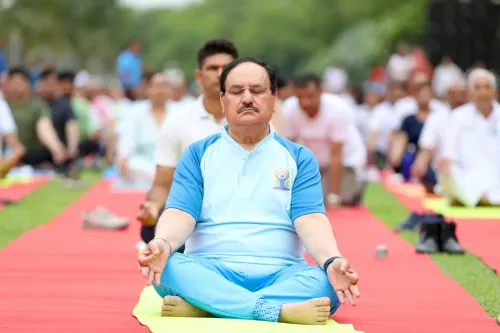
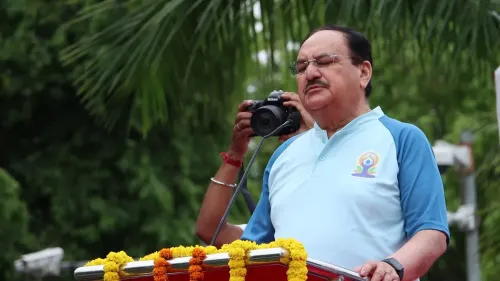
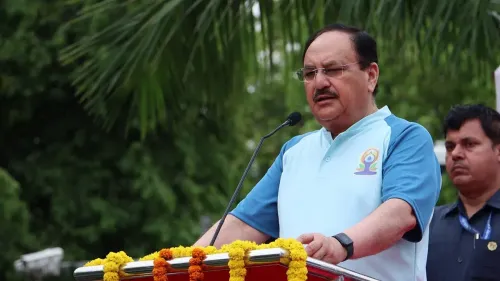
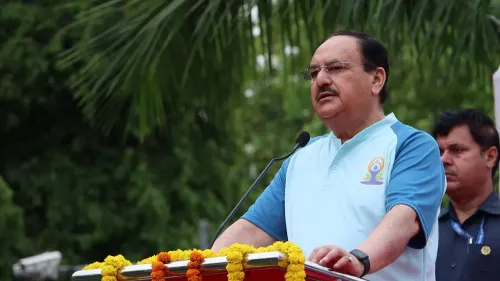
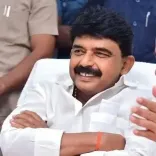
Union Health Minister J. P. Nadda on Sunday, 21 June 2026 marked International Day of Yoga by describing yoga as an infinite, lifelong pursuit — one in which no practitioner can claim to have reached perfection — and credited Prime Minister Narendra Modi with elevating the discipline to a global platform.
Context
Posting on X under the hashtags #IDY2026 and #YogaForHealthyAgeing, Nadda wrote: 'योग एक अनंत और आजीवन प्रयास है' ('Yoga is an infinite and lifelong endeavour'). He added that no person can claim to have achieved perfection in yoga, because the practice continuously inspires self-improvement and the pursuit of completeness.
Nadda further stated that PM Modi had rendered 'a great service to humanity' by taking yoga to the global stage, and pointed to the United Nations recognition of an International Day of Yoga as proof that the practice now belongs not to any single country but to the entire world.
Policy Backdrop
The annual observance traces its origin to 2014, when India proposed a dedicated global day for yoga at the UN General Assembly. The Assembly adopted Resolution 69/131, declaring 21 June as International Day of Yoga, and the first observance was held in 2015.
Since then, successive governments have woven AYUSH practices — including yoga — into national wellness frameworks, and India has pursued collaboration with the World Health Organization on research linking traditional disciplines to the prevention of non-communicable diseases. The #YogaForHealthyAgeing theme signals a continued policy focus on the elderly population and geriatric care.
Stakeholders and Impact
The messaging targets two overlapping audiences: India's large and growing elderly population, for whom yoga is increasingly positioned as a low-cost, accessible intervention against lifestyle diseases, and the broader global community of yoga practitioners. As Union Health Minister, Nadda oversees the Ministry of Health and Family Welfare as well as the Ministry of Chemicals and Fertilizers, giving him a direct institutional stake in public wellness campaigns.
India has consistently used yoga promotion as an instrument of soft power and public-health diplomacy. Nadda's post reinforces that dual role — domestically as a health message and internationally as an assertion of India's cultural contribution to global wellbeing.
What's Next
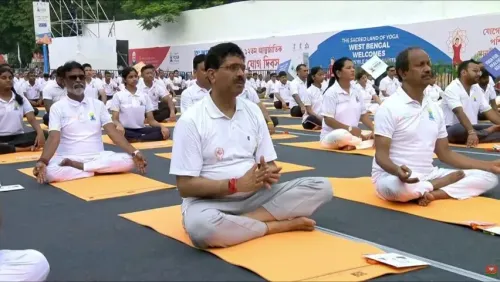
Attention will now turn to the official government programmes and mass yoga sessions organised for IDY 2026 across the country, as well as any updates to national guidelines on yoga for geriatric care that may emerge from the Ministry of AYUSH or the Ministry of Health. The #YogaForHealthyAgeing theme suggests that policy announcements linking traditional wellness practices to India's ageing demographic could follow in the coming weeks.
Point of View
He reinforces the BJP's political ownership of the International Day of Yoga narrative ahead of what is now an established annual soft-power moment. The #YogaForHealthyAgeing hashtag is not incidental — it signals a deliberate pivot toward using yoga as a policy instrument for India's rapidly ageing population, potentially foreshadowing new AYUSH or health ministry guidelines. As BJP national president doubling as Health Minister, Nadda's voice here carries both partisan and institutional weight, making the post as much a governance signal as a ceremonial tribute.
NationPress
19 Sept 2026
Frequently Asked Questions
What did JP Nadda say about yoga on International Day of Yoga 2026?
J. P. Nadda said yoga is an infinite and lifelong endeavour and that no person can claim to have achieved perfection in it. He also credited PM Modi for taking yoga to the global stage and called the UN recognition of International Day of Yoga proof that it is now a heritage of all humanity.
When was International Day of Yoga recognised by the United Nations?
The United Nations General Assembly adopted Resolution 69/131 in 2014 , declaring 21 June as International Day of Yoga. The first global observance was held in 2015 .
Who proposed International Day of Yoga at the United Nations?
Prime Minister Narendra Modi proposed a dedicated international day for yoga at the UN General Assembly in 2014 , following which the Assembly adopted the resolution.
What is the theme of International Day of Yoga 2026?
The hashtag #YogaForHealthyAgeing used by J. P. Nadda in his post indicates that healthy ageing is a central theme for IDY 2026 , reflecting a policy focus on the benefits of yoga for the elderly population.
What is India's role in promoting yoga globally?
India has used yoga promotion as a vehicle of soft power and public-health diplomacy since 2014 . Successive governments have integrated AYUSH practices into national wellness programmes and have sought collaboration with the WHO on yoga research linked to non-communicable disease prevention.