Nadda highlights 'Yoga for Healthy Ageing' on IDY 2026
Synopsis
On International Day of Yoga 2026, Union Health Minister J. P. Nadda promoted this year's theme 'Yoga for Healthy Ageing', urging citizens to adopt daily yoga for physical capacity, mental alertness, and quality of life in old age — linking the call to India's broader geriatric public-health agenda.
Key Takeaways
Union Health Minister J.
Nadda posted on 21 June 2026 — International Day of Yoga — calling for yoga to be part of daily life.
The theme for IDY 2026 is 'Yoga for Healthy Ageing' , focusing on physical capacity, mental alertness, and overall well-being in old age.
The International Day of Yoga has been observed globally every 21 June since 2015 , following a UN General Assembly resolution proposed by PM Modi in 2014 .
India's Ministry of AYUSH coordinates IDY events and has partnered with the WHO on yoga integration into global traditional medicine strategy.
Nadda's message aligns with India's policy push on preventive, low-cost health interventions for a rapidly growing elderly population.
Possible follow-on action includes geriatric yoga modules under Ayushman Bharat and WHO-level discussions on yoga in ageing policy.
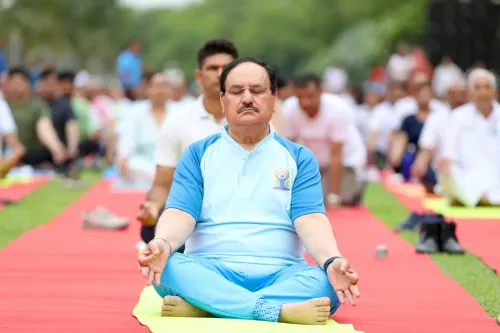
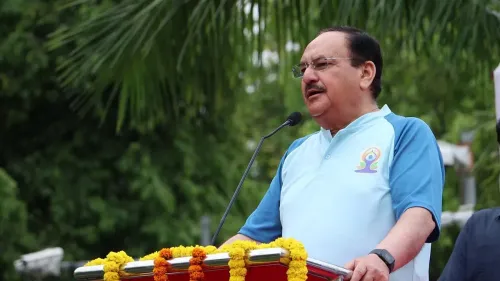
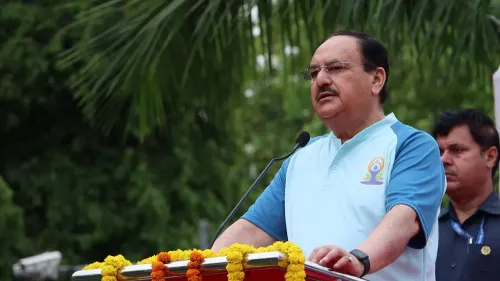
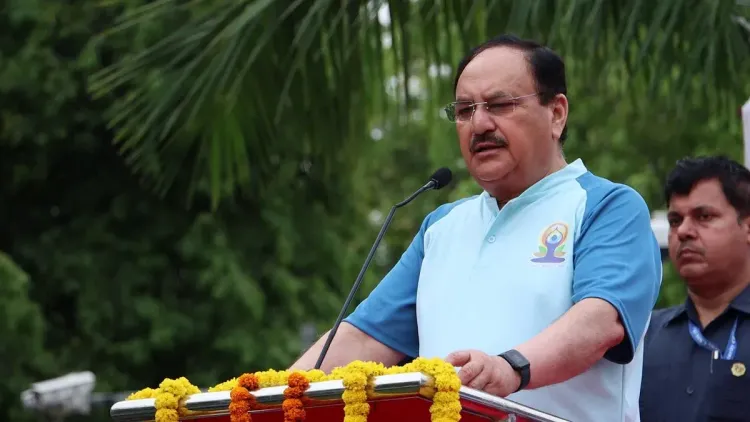
Union Health Minister J. P. Nadda on Sunday, 21 June 2026 called on citizens to make yoga a daily practice, emphasising its role in preserving physical capacity, mental alertness, and overall well-being in old age. His remarks, posted on International Day of Yoga 2026, centred on this year's theme — 'Yoga for Healthy Ageing' — and underscored yoga's potential to deliver not just longevity but quality of life.
Context
Writing in Hindi on the occasion of International Day of Yoga (IDY), Nadda stated: 'This time the theme of International Day of Yoga is Yoga for Healthy Ageing. Yoga is beneficial at every age and in every condition, especially in advancing years it helps maintain physical capacity, mental alertness and overall health.' He added that yoga 'not only provides longevity but also gives the strength to live a healthy and quality life — this is the true power of yoga.'
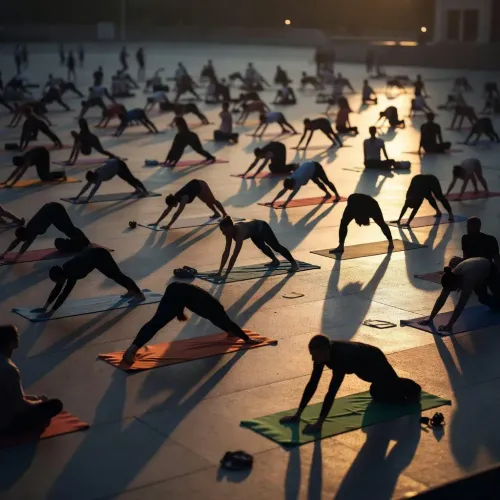
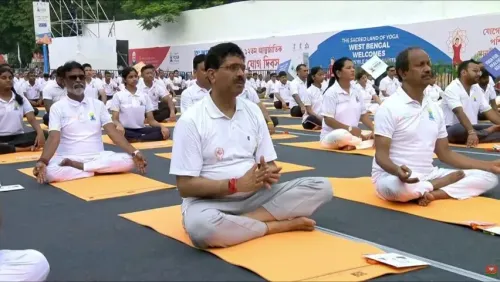
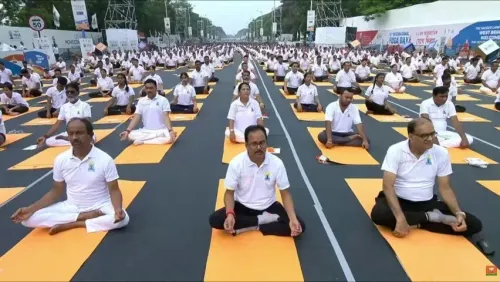
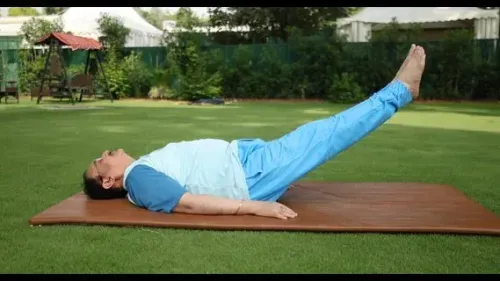
The post, tagged #IDY2026 and #YogaForHealthyAgeing, was accompanied by a video and went out at 9:55 AM IST, as mass yoga sessions were being held across the country.
Policy Backdrop
The International Day of Yoga has been observed every 21 June since 2015, after the UN General Assembly adopted resolution 69/131 in December 2014 declaring the date a global observance. The resolution followed a proposal by Prime Minister Narendra Modi at the UN General Assembly that year, marking one of India's most visible multilateral public-health initiatives.
Since its inception, India's Ministry of AYUSH — established in 2014 specifically to promote yoga, Ayurveda, and allied traditional systems — has coordinated IDY events domestically and at Indian missions abroad. India has proposed annual themes for IDY since 2015, linking each edition to specific health priorities such as wellness and non-communicable disease prevention. A collaboration agreement signed with the WHO in 2016-17 led to the development of the mYoga app and integration of yoga into the global traditional medicine strategy.
On the geriatric health front, the National Programme for Health Care of the Elderly, launched in 2010-11 and later expanded under Ayushman Bharat, provides the institutional scaffold within which yoga-based preventive interventions for older citizens are increasingly being positioned.
Stakeholders and Impact
India's demographic trajectory makes the 'Healthy Ageing' framing particularly relevant. The country's elderly population — those aged 60 and above — is among the fastest-growing segments, placing rising demand on public health infrastructure. Preventive, low-cost interventions such as yoga are central to government strategy for managing this shift without proportional increases in healthcare expenditure.
AYUSH practitioners, geriatric care specialists, and community health workers stand to see renewed policy emphasis on yoga-integrated care pathways. For ordinary citizens, the minister's call reinforces a public-health message that has been a consistent thread across successive IDY campaigns: that yoga offers accessible, evidence-supported benefits for ageing populations.
What's Next
Observers will watch for any formal announcements of geriatric yoga modules under Ayushman Bharat or state health missions in the weeks following IDY 2026. Possible parliamentary discussions or WHO consultations on evidence-based integration of yoga into national ageing policy could follow. As J. P. Nadda holds dual charge of the Health Ministry and the Chemicals and Fertilizers portfolio while also leading the BJP nationally, his messaging on yoga carries both policy weight and political visibility — signalling that healthy-ageing will remain a prominent plank in India's public-health narrative through the coming legislative cycle.
Point of View
The framing nudges yoga from cultural symbol toward a preventive-health policy instrument, consistent with the government's low-cost intervention strategy under Ayushman Bharat. As BJP national president simultaneously, Nadda's public communication on yoga also reinforces a soft-power and identity narrative that has been central to the party's governance brand since 2014. The real test will be whether the rhetorical emphasis translates into funded geriatric yoga modules within existing health missions.
NationPress
19 Sept 2026
Frequently Asked Questions
What is the theme of International Day of Yoga 2026?
The theme of International Day of Yoga 2026 is 'Yoga for Healthy Ageing', focusing on yoga's role in maintaining physical capacity, mental alertness, and overall health as people grow older.
When is International Day of Yoga celebrated and why?
International Day of Yoga is celebrated every year on 21 June . The UN General Assembly declared it an annual observance in December 2014 following a proposal by Prime Minister Narendra Modi , with the first edition held in 2015 .
What did J. P. Nadda say about yoga on IDY 2026?
J. P. Nadda said that yoga is beneficial at every age, and especially in advancing years it helps maintain physical capacity, mental alertness and overall health. He added that yoga provides not just longevity but the strength to live a healthy, quality life.
Which government ministry organises International Day of Yoga events in India?
The Ministry of AYUSH , established in 2014 , is the nodal government body that coordinates International Day of Yoga events across India and at Indian missions abroad.
How does yoga fit into India's elderly health policy?
Yoga is positioned as a preventive, low-cost intervention within India's geriatric health framework, which includes the National Programme for Health Care of the Elderly launched in 2010-11 and later expanded under Ayushman Bharat .