India gas market reforms and infrastructure key to long-term demand: IGU
Synopsis
India's domestic gas production covers barely half its demand, LPG imports fill 60–65% of consumption, and the Strait of Hormuz crisis has laid bare the supply-chain risk. A new IGU report argues that without pricing reform, pipeline investment, and stronger industrial demand, expanding LNG terminal capacity alone will not be enough to unlock India's gas growth potential.
Key Takeaways
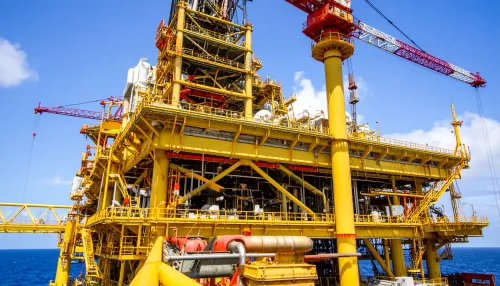
India's domestic natural gas production meets only 50–52 per cent of total demand, with the rest imported as LNG from Qatar , Australia , the US , and Russia .
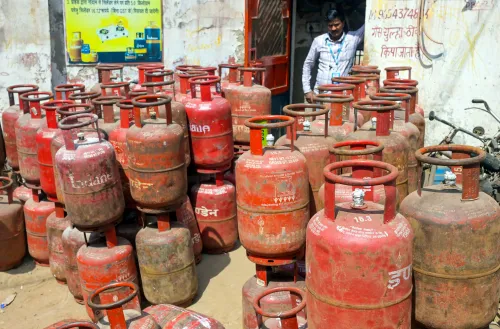
India's LPG import dependence is even higher, at 60–65 per cent of domestic demand, despite being one of the world's largest consumers.
The IGU report warns that midstream transmission and distribution infrastructure investment has failed to keep pace with LNG terminal expansion.
The Strait of Hormuz crisis highlighted India's vulnerability to Gulf supply chain disruptions affecting both LNG and LPG imports.
A new wave of global LNG export capacity expected this decade could push prices lower and improve gas economics in India — if domestic reforms are enacted.
India's long-term natural gas demand growth hinges not just on expanding liquefied natural gas (LNG) import capacity, but critically on accelerating midstream infrastructure investment, overhauling gas pricing and market regulations, and stimulating consumption from gas-intensive industries, according to a new report by the International Gas Union (IGU) released on 26 July.
Infrastructure Gap Holding Back Growth
The IGU report notes that while India has made measurable strides in scaling up LNG regasification terminal capacity, investment in transmission and distribution infrastructure has not kept pace. This mismatch is directly constraining the country's ability to grow natural gas consumption. Reforms to pricing mechanisms, market access rules, and commercial frameworks are identified as critical enablers for sustained demand growth.
Hormuz Crisis Exposes Supply Chain Vulnerability
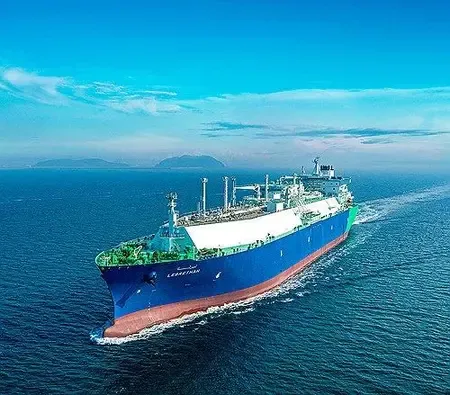
The report flags that the recent Strait of Hormuz crisis has sharply underscored India's exposure to energy supply chain disruptions. India relies heavily on LNG and liquefied petroleum gas (LPG) imports from the Gulf region, with Qatar remaining its primary LNG supplier. A substantial share of India's LPG imports also originates from the region, and much of these shipments transit through the strategically vital Strait of Hormuz. The disruption to energy shipments during the Iran conflict exposed the real risks embedded in this dependence.
Domestic Production Meets Only Half of Demand
According to the report, domestic natural gas production currently meets only around 50–52 per cent of India's total natural gas demand. The remaining requirement is fulfilled through LNG imports from Qatar, Australia, the United States, and Russia. India's import dependence is even more pronounced for LPG, with approximately 60–65 per cent of domestic demand met through overseas purchases — despite India being among the world's largest LPG consumers.
Medium-Term Outlook: Lower Prices Could Help
The IGU report suggests the medium- to long-term outlook could improve if tensions in the Gulf region ease. A significant wave of new LNG export capacity is expected to come online through the remainder of the decade, which is likely to keep global LNG markets well supplied and exert downward pressure on prices. This, in turn, could improve the economics of gas consumption in India. Notably, weaker demand from other Asian markets following the recent price shock could further accelerate declines in regional LNG benchmark prices, offering India additional pricing relief.
What Needs to Happen Next
For India to fully capitalise on a more favourable global LNG supply environment, the report argues that domestic structural reforms cannot be deferred. Expanding pipeline networks, reforming the regulatory framework for gas marketing, and building stronger industrial demand bases are the levers that will determine whether India converts supply-side opportunity into lasting consumption growth. The coming years will be a critical window.
Point of View
India is deeply exposed to Gulf price shocks and route disruptions on a fuel that underpins household cooking for hundreds of millions. The Hormuz episode should accelerate both supply diversification and the long-delayed gas pricing reform, but the political economy of touching domestic gas prices has stalled action before. Whether this report shifts that calculus is the real question.
NationPress
25 Oct 2026
Frequently Asked Questions
What does the IGU report say about India's natural gas demand?
The IGU report, released on 26 July, says India's long-term natural gas demand growth depends on accelerating midstream infrastructure investment, reforming gas pricing and market regulations, and building stronger industrial demand — not just expanding LNG import terminal capacity.
How dependent is India on imported LNG and LPG?
India's domestic natural gas production meets only around 50–52 per cent of total demand, with the rest imported as LNG. For LPG, import dependence is even higher at 60–65 per cent of domestic demand, despite India being one of the world's largest LPG consumers.
How did the Strait of Hormuz crisis affect India's energy supply?
The recent Strait of Hormuz crisis exposed India's vulnerability to Gulf supply chain disruptions. A large share of India's LNG and LPG imports — primarily from Qatar and other Gulf producers — transit through the strait, and the disruption during the Iran conflict highlighted the risk of this dependence.
Will global LNG prices fall and benefit India?
According to the IGU report, a large wave of new LNG export capacity expected to come online through the remainder of the decade is likely to keep global markets well supplied and push prices lower. Weaker demand from other Asian markets could accelerate this trend, improving gas economics in India.
What reforms does India need to grow its gas market?
The IGU report identifies three priority areas: expanding transmission and distribution pipeline infrastructure, reforming gas pricing mechanisms and market access frameworks, and stimulating demand from gas-intensive industries. Without these, increased LNG import capacity alone will not drive sustained consumption growth.