Strengthening Energy Security: India's New Pipeline Infrastructure Order

Synopsis
In a bold step to enhance energy security and lessen foreign fuel reliance, the Indian government has announced a new order to streamline natural gas and petroleum pipeline construction. This move addresses critical supply chain vulnerabilities amid ongoing disruptions in the Gulf region.
Key Takeaways
New order issued to enhance energy security.
Focus on natural gas and petroleum pipelines.
Addresses regulatory bottlenecks and land access issues.
Aims to reduce reliance on imported fuels.
Supports infrastructure development amid global market volatility.
New Delhi, March 25 (NationPress) In a transformative initiative designed to enhance energy security and lessen reliance on imported fuels, the Central government has issued a directive to facilitate the construction of pipelines for natural gas and petroleum products.
This directive, known as the Natural Gas and Petroleum Products Distribution (Through Laying, Building, Operation and Expansion of Pipelines and Other Facilities) Order, 2026, was officially published in the government gazette on March 24.
The impetus for this order arises from increasing apprehensions regarding long-term fuel supply interruptions, exacerbated by significant damage to liquefaction facilities in the Gulf region and the ongoing blockade of the Strait of Hormuz.
In response to these challenges, the government is expediting fuel diversification strategies as a vital approach to ensuring long-term energy security.
The directive aims to create a standardized framework to overcome persistent obstacles that have hindered the expansion of pipeline infrastructure. These challenges include prolonged approval processes from various authorities, land access issues raised by consumers and resident welfare associations, high fees, and resistance from consumers in areas already connected to natural gas who prefer to continue utilizing LPG.
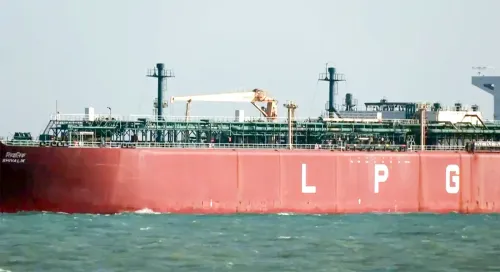
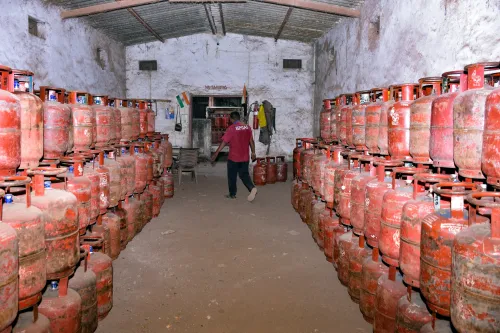
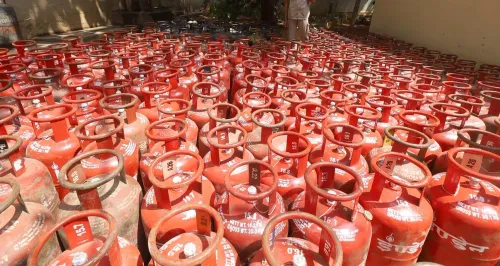
The government emphasized that enhancing the supply of natural gas through pipelines to domestic users will free up LPG in connected regions, allowing for increased LPG availability in areas lacking such infrastructure.
It is noted that supplying natural gas necessitates the installation of pipelines with different capacities, originating from tap-off points on main transmission lines or LNG storage facilities.
This order is applicable to all public entities, housing associations, and authorized organizations as defined by the Petroleum Act of 1934 and licensed by the Central government.
The directive empowers authorized entities to construct pipelines within a specified timeframe, addressing long-standing issues such as delays in securing right-of-way and unreasonable fees imposed by local authorities.
Officials have pointed out that even in regions with natural gas pipelines, many consumers still depend on LPG, leading to an inconsistent fuel mix.
The newly established framework aims to rectify this by promoting a smoother rollout of infrastructure and encouraging a transition towards piped natural gas where possible.
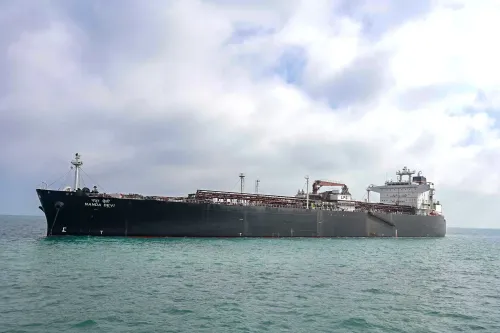
The Strait of Hormuz, a crucial passage through which nearly 20% of the world's petroleum liquids are transported, has faced disruptions for several months due to escalating tensions in the Gulf region.
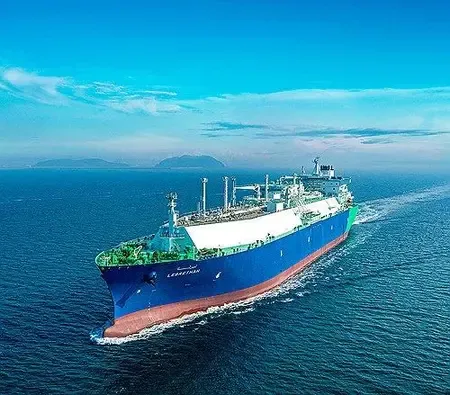
Key liquefied natural gas (LNG) liquefaction facilities that provide a significant portion of India's gas imports have sustained considerable damage, resulting in supply instability and price fluctuations.
India, which heavily depends on imported LNG to satisfy its domestic energy requirements, has been proactively pursuing fuel diversification and strengthening its internal infrastructure to mitigate the impacts of external shocks.
The disruptions have highlighted vulnerabilities within the nation's energy supply chain, prompting the government to expedite pipeline projects designed to connect more households to natural gas and alleviate the reliance on LPG, much of which is also imported.
This new order is viewed as a proactive measure to ensure that administrative and regulatory delays do not hinder critical infrastructure developments at a time when global energy markets are in flux.
Point of View
The issuance of this directive reflects a strategic effort to enhance India's energy independence by addressing regulatory bottlenecks and promoting infrastructure development. This proactive approach aims to secure long-term energy needs amidst global uncertainties.
NationPress
23 Sept 2026
Frequently Asked Questions
What is the purpose of the new pipeline order?
The new pipeline order aims to strengthen energy security and reduce dependence on imported fuels by streamlining the construction of natural gas and petroleum product pipelines.
When was the order issued?
The order was published in the official gazette on March 24, 2026.
What challenges does the order address?
It addresses challenges like prolonged approval processes, land access issues, high fees, and consumer resistance in areas already connected to natural gas.
Who is affected by this order?
The order applies to all public entities, housing societies, and authorized organizations as defined by the Petroleum Act of 1934.
Why is this order significant now?
This order is significant due to ongoing disruptions in the Strait of Hormuz and damage to LNG facilities, which have created vulnerabilities in India's energy supply chain.