India Expands LPG Procurement by Importing from the US Amid Middle East Supply Challenges
Synopsis
In a proactive move to address LPG supply concerns due to Middle East conflicts, India is sourcing liquefied petroleum gas from the United States. This decision aims to ensure a stable supply of fuel across the nation.
Key Takeaways
India is importing LPG from the US to address supply disruptions.
Online bookings for LPG have surged to 94% .
The government has conducted 6,000 raids against black marketing.
Approximately 70% of oil imports now come from non-Middle Eastern countries.
Safety measures for Indian seafarers are being closely monitored.
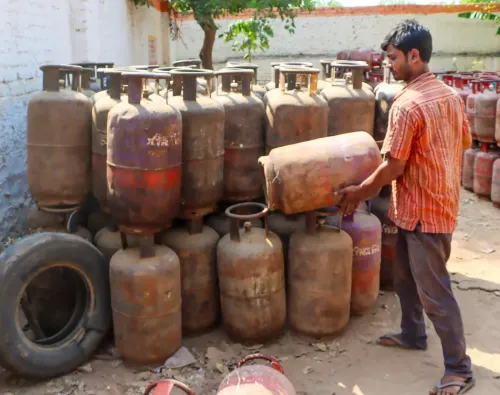
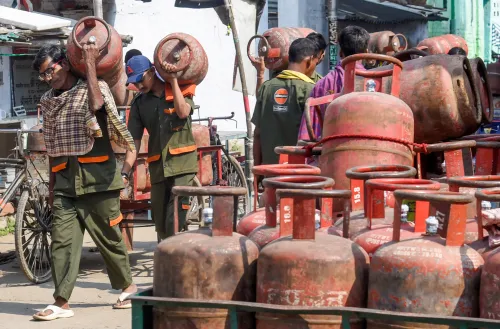
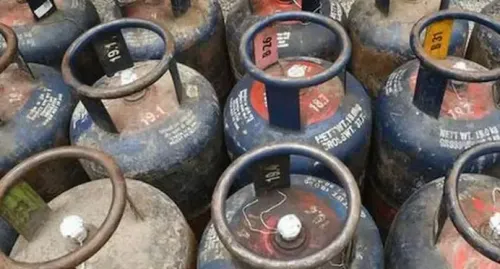
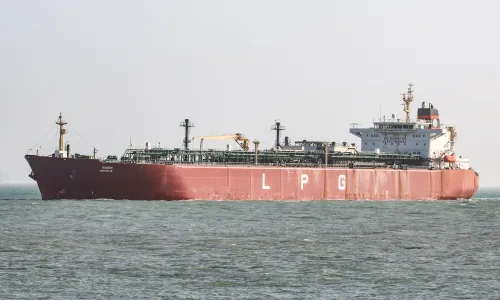
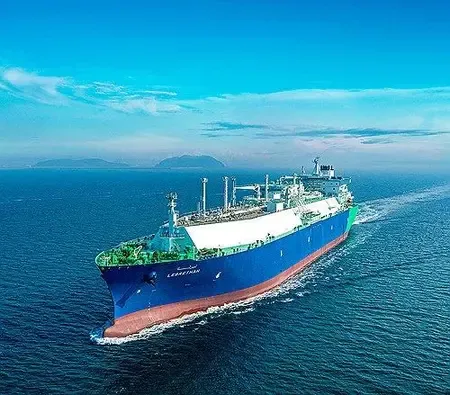
New Delhi, March 19 (NationPress) With rising worries over a potential shortage of LPG, the Indian government announced on Thursday its strategy to diversify LPG sourcing by importing liquefied petroleum gas from the United States. This move aims to address the disruptions in the supply chain caused by the ongoing conflict in the Middle East.
During a daily briefing, Sujata Sharma, the Joint Secretary of the Petroleum and Natural Gas Ministry, stated, "The current war situation is concerning. Nonetheless, no LPG distributor has reported a dry-out. Online bookings for LPG have surged to 94 percent..."
Moreover, around 83 percent of refill deliveries are being executed through delivery authentication codes.
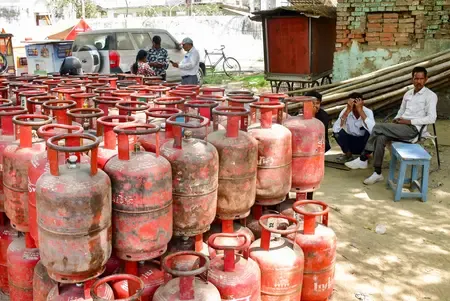
"We have seen a drop in panic bookings, with about 57 lakh refill bookings logged yesterday. LPG cylinder deliveries are operating smoothly," Sharma mentioned.
She also reassured that the country's crude oil supply and refinery operations remain stable.
"Domestic PNG and CNG supplies are functioning at 100 percent. We encourage users to transition from LPG to PNG, as over 5,600 LPG users have made the switch in the last three days," she highlighted.
Sharma further noted that any impact in the Middle East will inevitably affect India. In light of the blockage of the Strait of Hormuz, which carries 20 percent of global oil and gas exports, India has been proactive in sourcing oil and gas imports from regions outside the Middle East. Currently, 70 percent of India's oil imports come from nations like the US, Russia, and various African countries, including Nigeria.
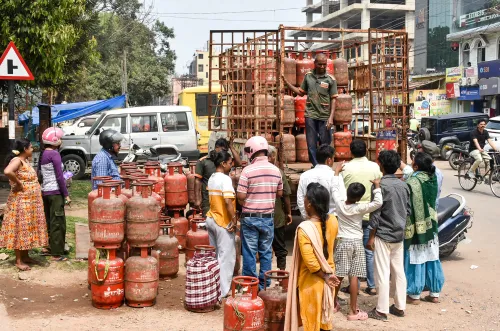
The government has dispatched another communication to all states, urging them to implement all necessary measures to combat black marketing and hoarding. On Wednesday alone, 6,000 raids were executed against black market operators.
"In UP, 1,100 raids were carried out, leading to the seizure of 1,000 cylinders. In MP, 1,632 raids resulted in 2,300 cylinders being confiscated," Sharma reported.
The Center has requested all state administrations to take decisive actions against black marketing and hoarding, enforcing the law wherever violations occur.
Based on feedback from state governments, Sharma revealed that control rooms have been established in approximately 31 states and Union Territories, with district-level monitoring committees set up in around 25 states and Union Territories.
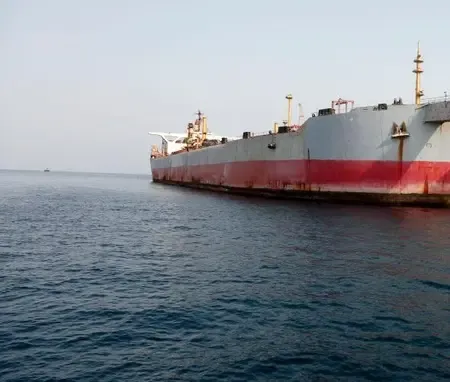
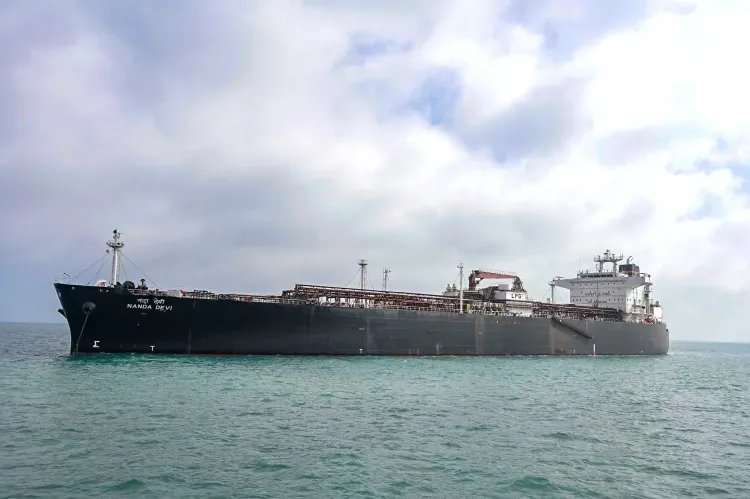
In the meantime, Rajesh Kumar Sinha, Special Secretary for Ports, Shipping, and Waterways, assured that all Indian-flagged vessels and seafarers are safe.
"There are 22 vessels positioned west of the Strait of Hormuz. In the last 24 hours, over 16 Indian seafarers have returned to India after completing their sign-off procedures. The ministry is carefully monitoring shipping activities and the evolving situation in West Asia."
Point of View
India's decision to diversify its LPG imports demonstrates a strategic approach to energy security. This move not only aims to stabilize domestic markets but also highlights the nation's commitment to ensuring fuel accessibility amidst global disruptions.
NationPress
5 Sept 2026
Frequently Asked Questions
Why is India importing LPG from the US?
India is importing LPG from the US to mitigate supply chain disruptions caused by conflicts in the Middle East.
What measures is the government taking to prevent black marketing?
The government has implemented raids and has urged state administrations to take necessary actions against black marketing and hoarding.
How much of India's oil imports come from outside the Middle East?
Currently, approximately 70 percent of India's oil imports are sourced from countries outside the Gulf region.
What percentage of LPG bookings are now made online?
Online LPG bookings have increased to 94 percent.
What steps are being taken to ensure the safety of Indian seafarers?
The ministry is closely monitoring shipping movements and has confirmed the safety of all Indian-flagged vessels and seafarers.