Trump calls Iran's peace response 'TOTALLY UNACCEPTABLE' amid Hormuz tensions
Synopsis
Trump's blunt 'TOTALLY UNACCEPTABLE' rejection of Iran's Gulf peace response — delivered via Truth Social — signals a sharp breakdown in Pakistani-brokered diplomacy, even as US naval destroyers and Iranian missiles trade blows near the Strait of Hormuz. With Tehran demanding a nuclear carve-out and 30 more days of talks, and Washington pushing a fresh UN resolution, the conflict shows no near-term off-ramp.
Key Takeaways
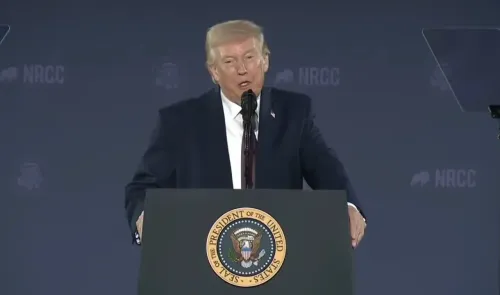
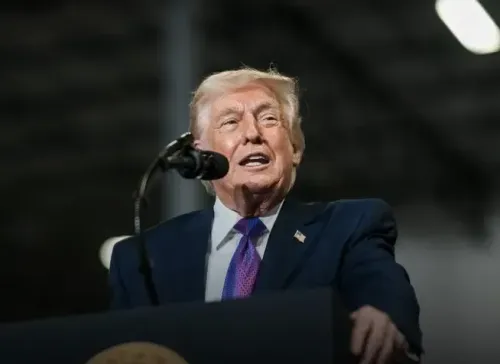
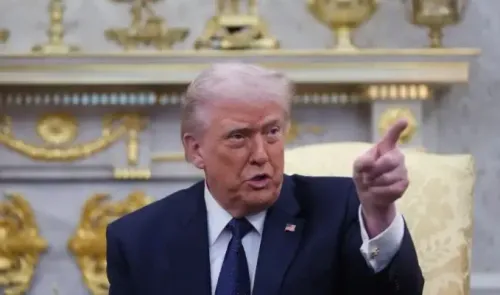
President Trump on 11 May called Iran's response to a US peace proposal "TOTALLY UNACCEPTABLE" via Truth Social .
Iran reportedly demanded an end to hostilities, reopening of the Strait of Hormuz , US naval withdrawal, sanctions relief, and 30 more days of talks.
Tehran also proposed that its nuclear programme be discussed separately in future negotiations.
Iran claimed it attacked three US naval destroyers with ballistic missiles, cruise missiles, and drones; the US denied any damage.
A drone struck a commercial vessel off Doha, Qatar , signalling regional spillover of the conflict.
US Ambassador Mike Waltz said Washington is pushing a new UN resolution targeting Iran's actions in international waterways.
US President Donald Trump on Sunday, 11 May sharply rejected Iran's response to a new American peace proposal aimed at ending the military conflict in the Gulf region, calling Tehran's position "TOTALLY UNACCEPTABLE" as hostilities continued around the Strait of Hormuz. The rejection marks a significant setback for diplomatic efforts brokered through Pakistani and Qatari mediators over the past week.
Trump's Reaction and the Peace Proposal
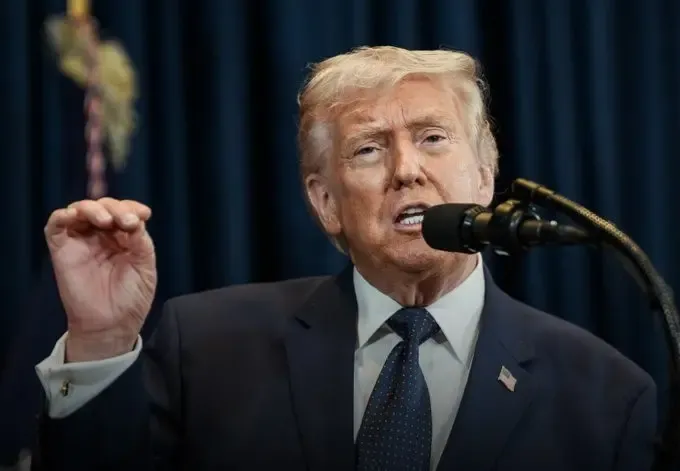
"I have just read the response from Iran's so-called 'Representatives.' I don't like it — TOTALLY UNACCEPTABLE! Thank you for your attention to this matter," Trump wrote in a post on Truth Social. He later accused Iran of "playing games with the United States" and warned that "They will be laughing no longer!"
The US had sent a 14-point proposal to Tehran last week through mediators, reportedly including demands tied to Iran's nuclear activities and regional security commitments. Iran's response arrived through Pakistani intermediaries, with Pakistani Prime Minister Shehbaz Sharif confirming receipt while declining to elaborate. "I can't go into more details," Sharif said.
What Iran Demanded
Iranian state media said Tehran's reply focused "exclusively on the cessation of hostilities around the region." Other Iranian outlets reported that Tehran demanded an official end to the war, reopening of the Strait of Hormuz, withdrawal of naval vessels enforcing a US blockade, lifting of sanctions, and an additional 30 days of negotiations. Iran also reportedly proposed that discussions on its nuclear programme be handled separately in future negotiations — a condition that appears to have been a key sticking point for Washington.
Military Confrontations in the Gulf
The diplomatic exchanges unfolded against a backdrop of intensifying military activity. According to reports, Iran attacked three US naval destroyers on Thursday, accusing them of entering waters over which Tehran claims control. Iran said it deployed ballistic missiles, cruise missiles, and drones, claiming the strikes caused "serious damage." The United States denied the claim, with US officials stating the destroyers sailed away unharmed.
The confrontation followed US strikes on two Iranian-flagged tankers that American officials said were attempting to breach a naval blockade near the Gulf of Oman. The US military subsequently struck targets on Qeshm Island and near Bandar Abbas along Iran's southern coast.
Regional Spillover and Diplomatic Efforts
Tensions spread beyond Iran's shores. Qatar's defence ministry said on Sunday that a commercial cargo vessel travelling from Abu Dhabi was struck by a drone off the coast of Doha, causing a small fire. On Saturday, US Secretary of State Marco Rubio and White House Middle East envoy Steve Witkoff met Qatari Prime Minister Mohammed bin Abdulrahman Al Thani to discuss efforts to end the conflict. The Qatari side said talks included Pakistani mediation efforts "aimed at reducing escalation that contributes to enhancing security and stability in the region."
The State Department later said Rubio and Qatari leadership discussed "the importance of continued close coordination to deter threats and promote stability and security across the Middle East."
UN Push and Outlook
Speaking on ABC News on Sunday, US Ambassador to the United Nations Mike Waltz said negotiations were moving "longer and slower" because Iran's "leadership has been so devastated and fractured." Waltz added that the US was pushing a new UN resolution stating that "Iran cannot do this. No country can do what Iran is doing in international waterways." With Washington's diplomatic patience visibly thinning and military incidents multiplying, the path to a negotiated settlement appears increasingly narrow.
Point of View
While Tehran wants them separated, is the core impasse, and it is not new. What is new is the military texture around it — naval destroyers, ballistic missiles, and a drone hitting a Qatari vessel. That escalation ladder, if unmanaged, risks drawing in Gulf states that have so far stayed on the margins. The UN resolution push is unlikely to move fast enough to matter on the ground.
NationPress
11 May 2026
Frequently Asked Questions
Why did Trump reject Iran's peace proposal response?
Trump called Iran's response to the US 14-point peace framework 'TOTALLY UNACCEPTABLE' on 11 May, saying he did not like what Tehran's representatives had conveyed. Iran's demands — including a separate track for nuclear talks, sanctions relief, and 30 additional days of negotiations — reportedly clashed with the conditions set out in the US proposal.
What did Iran demand in its response to the US proposal?
According to Iranian state media and other outlets, Tehran demanded an official end to hostilities, reopening of the Strait of Hormuz, withdrawal of US naval vessels enforcing a blockade, lifting of sanctions, and 30 more days of negotiations. Iran also proposed that its nuclear programme be addressed in separate future talks.
What military incidents have occurred near the Strait of Hormuz?
Iran reportedly attacked three US naval destroyers with ballistic missiles, cruise missiles, and drones, claiming serious damage; the US denied any harm to its vessels. Prior to that, the US struck two Iranian-flagged tankers near the Gulf of Oman and later hit targets on Qeshm Island and near Bandar Abbas on Iran's southern coast.
Who is mediating between the US and Iran?
Pakistan and Qatar have been acting as mediators. Pakistani Prime Minister Shehbaz Sharif confirmed Iran conveyed a response through Pakistani intermediaries. US Secretary of State Marco Rubio and White House envoy Steve Witkoff also met the Qatari Prime Minister to coordinate diplomatic efforts.
What is the US doing at the United Nations over the Strait of Hormuz?
US Ambassador to the UN Mike Waltz said on 11 May that Washington is pushing a new UN resolution stating that no country can interfere with international waterways the way Iran has been doing, as part of efforts to build multilateral pressure on Tehran.