Iran's draft proposal demands end to war, sanctions lift, Hormuz blockade lifted
Synopsis
Iran has put its terms on the table: end the war immediately, lift sanctions within 30 days, unfreeze assets, and remove the Hormuz naval blockade. Trump has already called the latest Iranian response 'totally unacceptable' — and with the nuclear question unresolved, the two sides remain far apart despite Pakistan's mediation.
Key Takeaways
Iran's draft proposal demands an immediate end to hostilities , guarantees against future aggression, and lifting of US sanctions and the Strait of Hormuz naval blockade.
Tehran wants US sanctions on Iranian oil sales rescinded within 30 days and frozen Iranian assets released after a preliminary deal.
The conflict began on 28 February with joint US-Israel strikes on Tehran that killed then Supreme Leader Ali Khamenei .
A ceasefire took effect on 8 April , but Islamabad talks on 11–12 April ended without agreement.
President Trump publicly rejected Iran's latest response, calling it "TOTALLY UNACCEPTABLE" on Truth Social .
Secretary of State Marco Rubio has added a nuclear precondition, demanding Iran clarify it does not seek a nuclear weapon.
Iran's latest draft proposal for negotiations with the United States calls for an immediate cessation of hostilities on all fronts, a formal guarantee against future "aggression" against Iran, and the removal of US sanctions and the naval blockade on the Strait of Hormuz, according to the semi-official Tasnim news agency. The proposal, circulated on 11 May, marks Tehran's most detailed public articulation of its conditions for a political settlement.
Key Demands in the Draft
According to Tasnim, which cited an informed source, the draft proposal "highlights the need to immediately end the war, provide guarantees for the non-repetition of the aggression against Iran, and certain other issues within a political agreement." Beyond the ceasefire guarantee, Tehran is demanding a 30-day window for the rescinding of US sanctions on Iranian oil sales, along with the release of Iran's frozen assets following any preliminary agreement.
Background: How the Conflict Escalated
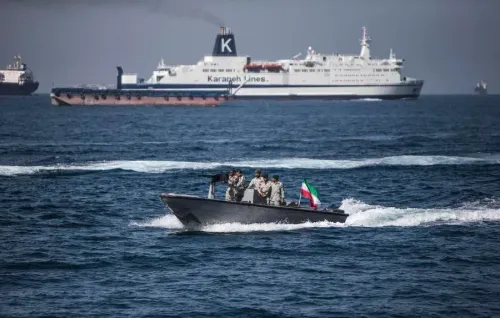
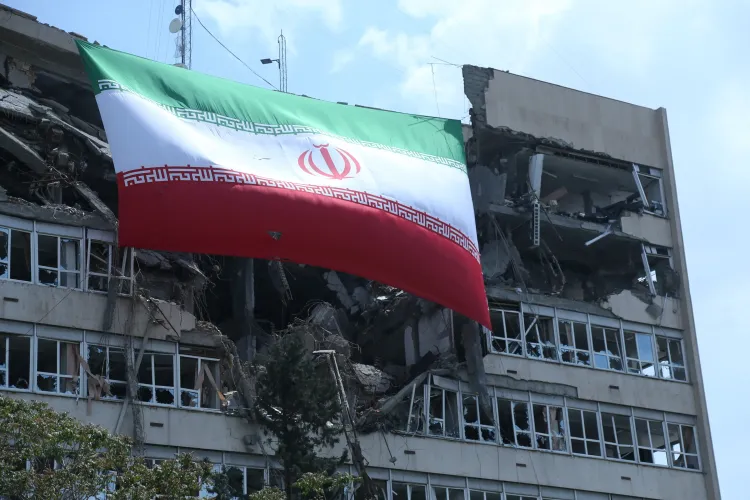
The current crisis traces back to 28 February, when the United States and Israel conducted joint strikes on Tehran and other Iranian cities, killing Iran's then Supreme Leader Ali Khamenei, senior officials, and civilians. Iran retaliated with missile and drone attacks against Israel and US interests across the region, and tightened its control over the Strait of Hormuz — a chokepoint through which a significant share of global oil shipments pass. A ceasefire took effect on 8 April, but talks between Iranian and US delegations held in Islamabad, Pakistan on 11 and 12 April ended without an agreement. The United States subsequently imposed its own blockade on the strait, further deepening the standoff.
Trump Calls Iran's Response 'Totally Unacceptable'
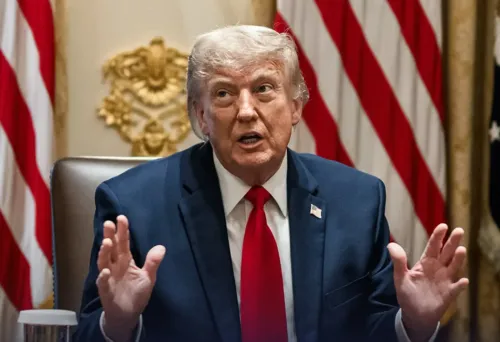
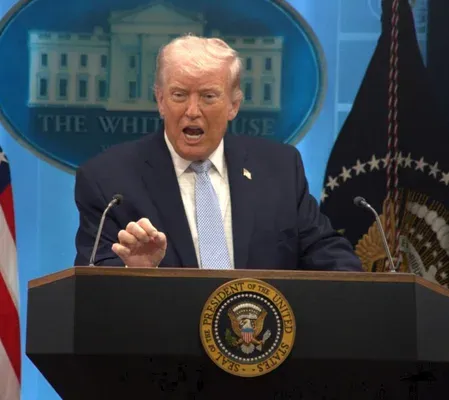
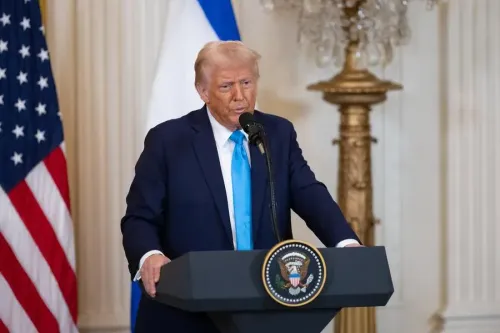
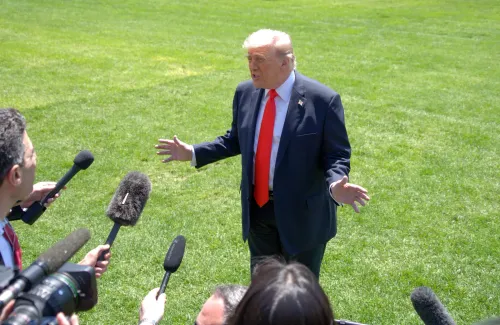
Earlier on Sunday, Iran's official news agency IRNA reported that Tehran had sent its response to the latest US proposal through Pakistan, which has been serving as an intermediary channel for the two sides. US President Donald Trump swiftly rejected the response on his Truth Social platform. "I have just read the response from Iran's so-called 'Representatives.' I don't like it -- TOTALLY UNACCEPTABLE!" Trump wrote, without elaborating on specific objections.
Nuclear Question Looms Over Talks
US Secretary of State Marco Rubio has separately stated that Iran must "make it clear" that it does not seek a nuclear weapon — a condition Washington considers crucial to any lasting peace deal. Tehran has not publicly responded to that specific demand in the context of the current draft proposal. Over the past several weeks, the two sides have reportedly exchanged multiple proposed plans outlining conditions for ending the conflict, all routed through Pakistan.
What Comes Next
With Trump's public rejection and Rubio's nuclear precondition still unaddressed, the path to a formal agreement remains narrow. The role of Pakistan as mediator will be closely watched, as will any further response from Tehran. A failure to reach a deal risks renewed escalation around the Strait of Hormuz, with direct implications for global energy markets and regional stability.
Point of View
From sanctions relief to asset unfreezing to Hormuz access, bundled into a single framework. Trump's instant public rejection, rather than a quiet diplomatic counter, signals that Washington is not in a mood to negotiate incrementally. The nuclear precondition from Rubio adds a layer that Tehran has historically treated as non-negotiable. Pakistan's role as intermediary is structurally fragile: it lacks the economic leverage to pressure either side. The real risk is that both parties are managing domestic audiences as much as each other, making a genuine breakthrough harder with every public statement.
NationPress
24 Sept 2026
Frequently Asked Questions
What does Iran's draft proposal for US talks demand?
Iran's draft proposal calls for an immediate end to hostilities on all fronts, a guarantee against future US aggression, the lifting of US sanctions on Iranian oil sales within 30 days, the release of frozen Iranian assets, and the removal of the US naval blockade on the Strait of Hormuz.
How did the US-Iran conflict begin?
The current conflict began on 28 February when the United States and Israel conducted joint strikes on Tehran and other Iranian cities, killing then Supreme Leader Ali Khamenei along with senior officials and civilians. Iran retaliated with missile and drone attacks and tightened control over the Strait of Hormuz.
Why did Trump call Iran's response 'totally unacceptable'?
US President Donald Trump posted on Truth Social that he found Iran's latest response to the US proposal to be 'TOTALLY UNACCEPTABLE,' though he did not elaborate on specific objections. The rejection came after Iran sent its response through Pakistan, which has been serving as an intermediary.
What is the US condition on Iran's nuclear programme?
US Secretary of State Marco Rubio has stated that Iran must make it clear it does not seek a nuclear weapon, which Washington views as a crucial precondition for any peace deal. Tehran has not publicly addressed this specific demand in the context of the current draft.
What is Pakistan's role in the US-Iran talks?
Pakistan has been acting as an intermediary channel, with both sides reportedly routing their proposed plans and responses through Islamabad. Talks between Iranian and US delegations were held in Islamabad on 11 and 12 April, though they ended without an agreement.