US-Iran Peace Talks: Diplomacy Still Possible Despite Shifting Power
Synopsis
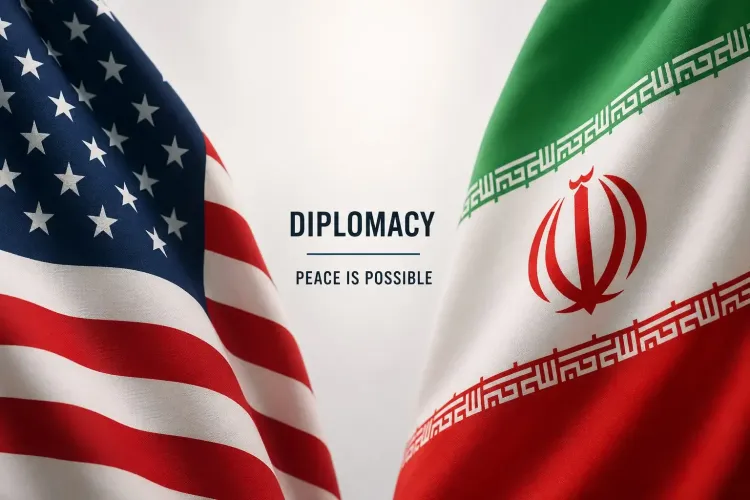
Despite military posturing and economic pressure, a new geopolitical analysis reveals that both the US and Iran are structurally pushed toward diplomacy — with Iran's eroding leverage over the Strait of Hormuz and Washington's escalation costs quietly making a negotiated peace the most rational outcome for both sides.
Key Takeaways
A Eurasia Review analysis by Collins Chong Yew Keat , published in April 2025 , concludes that US-Iran peace remains achievable despite ongoing military and economic pressure.
Iran has signalled diplomatic flexibility by proposing controlled maritime access through parts of the Strait of Hormuz , without conceding its core strategic leverage.
The United States is simultaneously applying sustained military and economic pressure to weaken Tehran's bargaining position ahead of potential formal negotiations.
Iran's traditional negotiating strength — delay, complication, and attrition — is being eroded by economic sanctions, military setbacks, and challenges to its maritime influence.
Control over the Strait of Hormuz , through which nearly 20% of global oil supply flows, remains the central strategic asset in the standoff.
Both Washington and Tehran reportedly maintain back-channel diplomatic communications despite public disagreements over nuclear commitments , sanctions , and maritime access .
New Delhi, April 26: A diplomatic resolution between the United States and Iran remains within reach, even as both nations engage in strategic posturing through military deployments and economic pressure, according to a detailed geopolitical analysis published by Eurasia Review and authored by Collins Chong Yew Keat. The analysis, released in late April 2025, argues that structural pressures on both sides are quietly nudging Washington and Tehran toward a negotiated settlement rather than prolonged confrontation.
Strategic Signalling on Both Sides
Iran has adopted what analysts describe as a calibrated negotiation posture — using time, controlled escalation, and selective concessions to preserve its bargaining leverage. One notable signal: Tehran has proposed limited maritime access through sections of the Strait of Hormuz, a move interpreted as demonstrating flexibility without surrendering its most critical strategic asset.
Meanwhile, Washington is pursuing a parallel strategy of sustained pressure — targeting Iran's deterrence infrastructure and tightening control over key maritime corridors — to erode Tehran's negotiating position ahead of any formal talks. This dual dynamic of American pressure and Iranian tactical restraint is, paradoxically, creating the conditions necessary for eventual diplomacy.
The Strait of Hormuz: Iran's Most Powerful Card
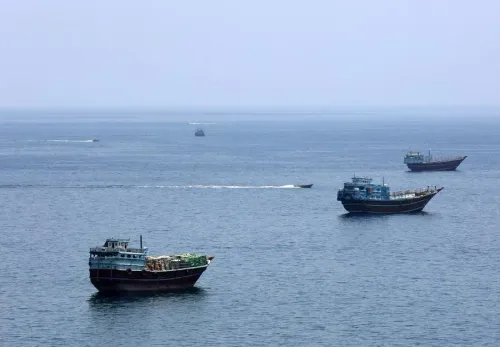
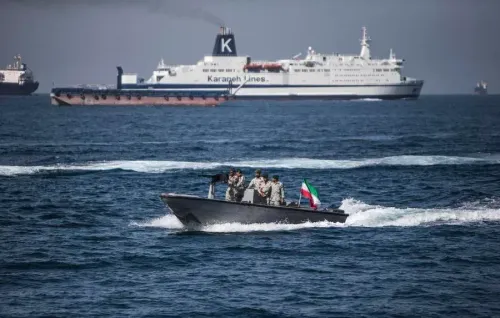
Central to the entire standoff is control over the Strait of Hormuz, through which nearly 20% of the world's oil supply passes daily. Despite its relatively weaker conventional military capability compared to the United States, Iran's geographic position gives it disproportionate influence over global energy markets. Even the perception that Tehran could disrupt shipping lanes has historically granted it substantial leverage in international negotiations.
This leverage, however, is eroding. Economic sanctions, military setbacks, and mounting domestic pressure are narrowing Iran's room for manoeuvre — a shift the analysis says is pushing Tehran's diplomatic posture from strategic ambiguity toward necessity-driven engagement.
Why Both Sides Are Edging Toward Compromise
According to the Eurasia Review analysis, Iran's traditional negotiating strength has always rested on its capacity to delay, complicate, and outlast opponents — extracting concessions through attrition. But current realities — including economic strain from prolonged sanctions, degraded deterrence assets, and challenges to its maritime influence — are fundamentally altering that calculus.
For the United States, the costs of sustained military and economic pressure are not without consequence either. Prolonged confrontation risks regional destabilisation, energy price volatility, and diplomatic isolation from allies seeking stability. The analysis notes that neither side stands to gain from total escalation, making a negotiated settlement the most strategically rational outcome.
This comes amid broader global efforts to keep diplomatic channels open. Despite persistent disagreements over nuclear commitments, sanctions relief, and maritime access rights, back-channel communications between Washington and Tehran reportedly remain active.
Historical Context: A Pattern of Brinkmanship and Bargaining
The current standoff is not without precedent. The 2015 Joint Comprehensive Plan of Action (JCPOA) — the landmark nuclear deal — demonstrated that sustained multilateral pressure combined with face-saving diplomatic architecture can produce agreements even between deeply adversarial states. The United States' unilateral withdrawal from the JCPOA in 2018 under the Trump administration unravelled years of painstaking diplomacy and set the stage for the current cycle of escalation and counter-escalation.
Notably, the pattern of Iran using strategic assets — particularly the Strait of Hormuz — as diplomatic leverage has been consistent across multiple administrations. What has changed is the degree to which those assets are now under direct pressure, altering the fundamental power equation.
What Comes Next: Conditions for a Sustainable Peace
The Eurasia Review analysis concludes that any durable peace framework will require carefully calibrated face-saving measures for both sides, mutual recognition of strategic limits, and phased concessions on sanctions, nuclear transparency, and maritime protocols. Neither Washington nor Tehran is positioned to claim outright victory — making compromise not just possible, but increasingly inevitable.
Analysts and policymakers will be watching closely for any formal resumption of multilateral nuclear talks, shifts in US Treasury sanctions posture, or further signals from Tehran on maritime access — all of which could serve as early indicators of whether this diplomatic window translates into concrete negotiations in the coming months.
Point of View
Tehran's negotiating posture shifts from choice to compulsion — and that is precisely when deals get made. What the mainstream narrative misses is that the real pressure isn't military; it's the slow convergence of costs that neither Washington nor Tehran can indefinitely absorb. The question is not whether a deal is possible — it is whether both sides can manufacture enough political cover domestically to sign one.
NationPress
19 Sept 2026
Frequently Asked Questions
Is a peace deal between the US and Iran possible in 2025?
Yes, according to a geopolitical analysis by Eurasia Review published in April 2025, structural pressures on both nations make a negotiated settlement increasingly likely. Economic strain on Iran and escalation costs for the US are pushing both sides toward diplomacy despite ongoing tensions.
Why is the Strait of Hormuz important in US-Iran negotiations?
The Strait of Hormuz is a critical global oil chokepoint through which approximately 20% of the world's oil supply passes. Iran's geographic control over this waterway gives it disproportionate bargaining leverage in negotiations, even against militarily superior adversaries like the United States.
What is Iran's current negotiation strategy with the United States?
Iran has adopted a calibrated approach — using time, controlled escalation, and selective concessions such as proposing limited Strait of Hormuz access to retain leverage without fully conceding strategic advantages. However, economic and military pressures are eroding this strategy.
What happened to the 2015 Iran nuclear deal (JCPOA)?
The 2015 Joint Comprehensive Plan of Action (JCPOA) was a landmark nuclear agreement between Iran and world powers. The United States unilaterally withdrew from it in 2018 under the Trump administration, triggering the current cycle of escalating tensions and sanctions.
What would a sustainable US-Iran peace agreement require?
Analysts say a durable agreement would need face-saving measures for both governments, phased sanctions relief, nuclear transparency commitments, and mutual recognition of maritime rights. Neither side is expected to achieve a total victory, making mutual compromise the only viable path.