Trump Urges Global Allies to Secure Hormuz, Dismisses Iran Ceasefire
Synopsis
In a recent address, President Trump urged international allies to take on the responsibility of securing the vital Strait of Hormuz while firmly rejecting any ceasefire proposals related to the Iran conflict. His remarks highlight the urgency of international cooperation in a strategically important region.
Key Takeaways
Trump calls for global responsibility in securing the Strait of Hormuz.
Rejects ceasefire proposals amid ongoing military operations against Iran.
Highlights Iran's weakened military capabilities.
Calls out Indo-Pacific partners for increased involvement.
Addresses economic concerns regarding oil prices .
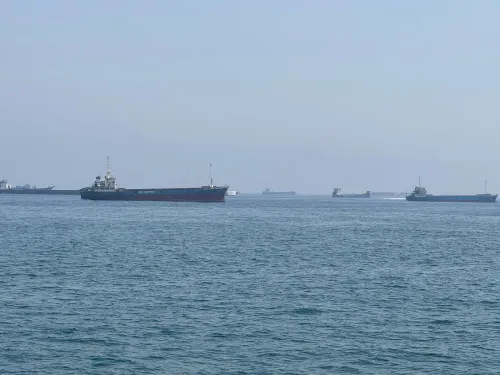
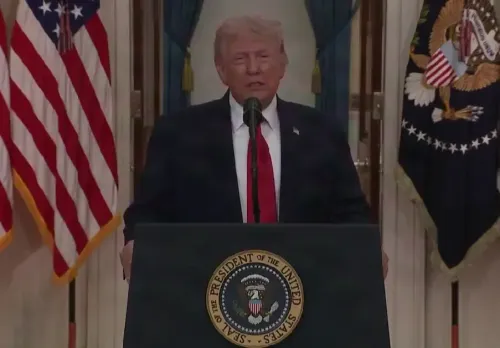
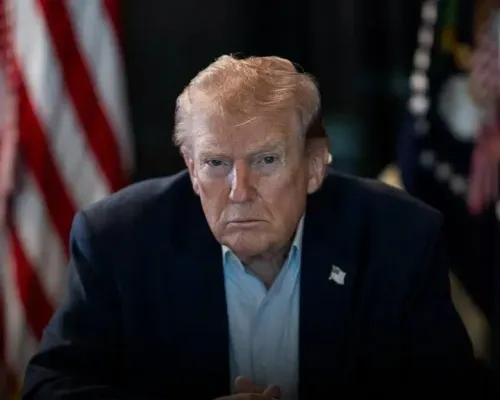
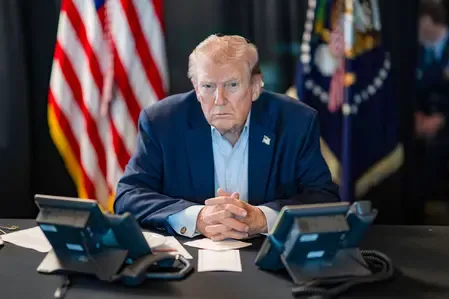
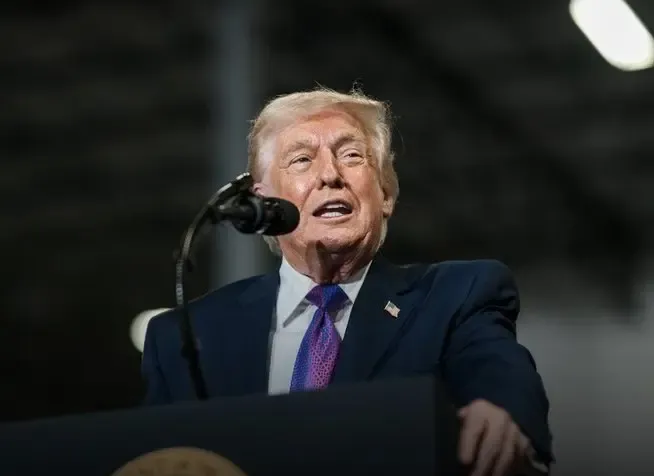
Washington, March 21 (NationPress) President Donald Trump has called upon US allies and significant global economies to assume responsibility for the security of the Strait of Hormuz, outright dismissing calls for a ceasefire amidst the ongoing conflict with Iran.
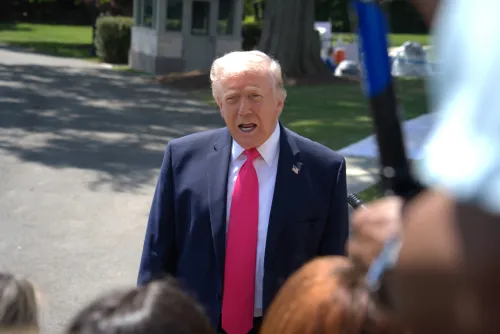
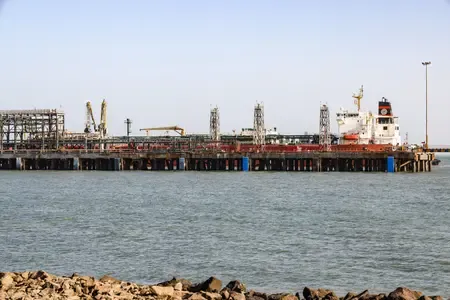
“The United States doesn’t rely on the Strait; it’s essential for Europe, Korea, Japan, China, and many others, so they need to step up,” Trump stated to reporters, emphasizing the vital oil passage as a collective international challenge.
The president characterized the re-opening of the strait as “a straightforward military operation,” but recognized that it would necessitate substantial coordination and resources. “It’s fairly secure, but you require significant assistance…you need vessels, you need volume,” he asserted, criticizing NATO for lacking the “courage” to take action thus far.
Trump also directed his remarks toward key partners in the Indo-Pacific, urging nations like South Korea and Australia to engage more actively. He expressed surprise over their hesitance to participate.
Simultaneously, Trump clarified that the United States would continue its military operations regardless of increasing international pressures for de-escalation.
“You can’t call for a ceasefire while you’re decisively hitting the other side…We’re not considering that,” he stated.
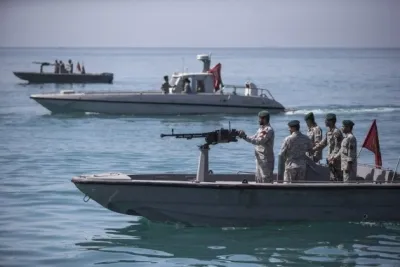
He described Iran’s military capabilities as significantly diminished. “They lack a navy, an air force…they are devoid of anti-aircraft systems…their leadership has been decimated at all levels,” Trump emphasized, reinforcing his belief that the military campaign is approaching its goals.
Trump also addressed worries concerning economic repercussions, particularly rising oil prices and market instability.
“We will not allow terrorists to acquire nuclear weapons, and we are effectively dismantling them,” he stated, adding he had anticipated a sharper rise in oil prices than what has occurred.
The president noted that the military operation is advancing faster than he had expected. “I believe we are weeks ahead of our timeline,” he concluded.
Point of View
President Trump's call for international cooperation reflects the critical nature of this strategic oil route. His firm stance against a ceasefire indicates a commitment to ongoing military operations, raising questions about the implications for global stability and security.
NationPress
23 Sept 2026
Frequently Asked Questions
What is the Strait of Hormuz?
The Strait of Hormuz is a narrow waterway located between Iran and Oman, crucial for global oil transportation.
Why is Trump rejecting calls for a ceasefire with Iran?
Trump believes that a ceasefire would undermine the military campaign aimed at significantly weakening Iran's capabilities.
What role do US allies have in this situation?
Trump insists that US allies, particularly those who rely on the Strait for oil, must take responsibility for its security.
How has Iran's military been affected?
Trump claims that Iran's military forces are severely weakened, lacking essential components like a navy and air force.
What economic implications are being discussed?
Concerns have been raised about rising oil prices and market volatility due to the ongoing conflict.