Trump Urges South Korea and Japan to Support Shipping Security in Hormuz Strait
Synopsis
In a recent statement, President Trump has called for South Korea and Japan to assist in keeping the Strait of Hormuz open amidst rising tensions with Iran. This vital shipping route is crucial for global oil supply, making international cooperation essential.
Key Takeaways
Trump urges international collaboration to secure the Strait of Hormuz.
Strait of Hormuz is crucial for global oil supply.
South Korea and Japan's involvement could enhance maritime security.
The US military is actively targeting Iranian military capabilities.
Iran remains defiant amid US military operations.
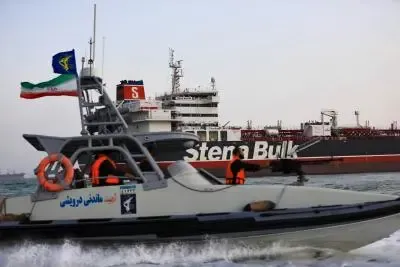
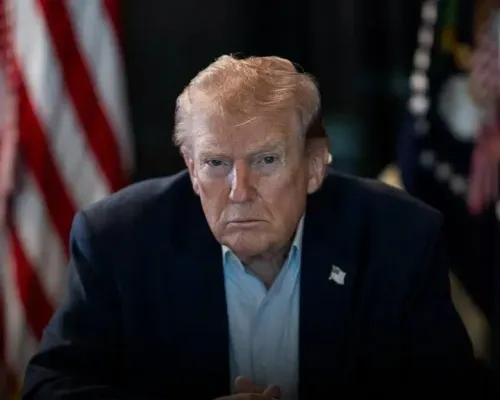
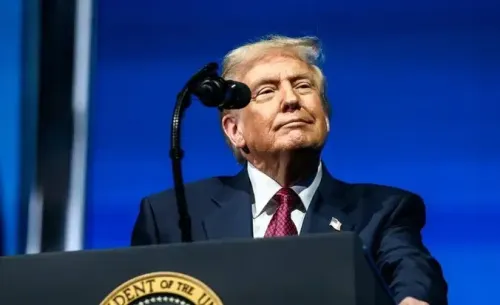
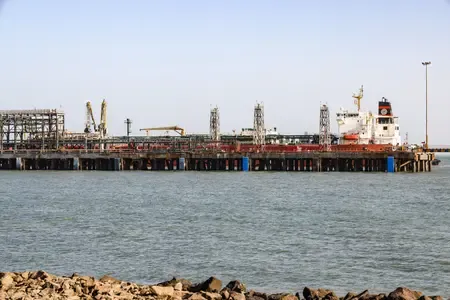
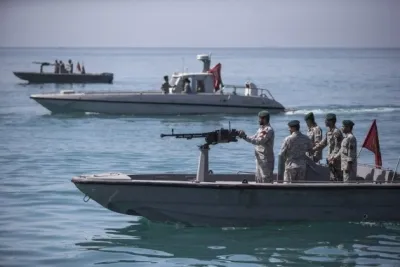
Washington, March 15 (NationPress) US President Donald Trump expressed his hope that South Korea and other nations impacted by Iran's efforts to obstruct the Strait of Hormuz will dispatch ships to ensure this vital oil passage remains open and secure. This call comes amid escalating worries about disruptions in shipping through this crucial maritime route.
In a social media update, Trump emphasized the need for countries like China, France, Japan, South Korea, and the UK to assist in maintaining the security of the strait, a key artery for about 20% of the world's oil supply, as reported by the Yonhap news agency.
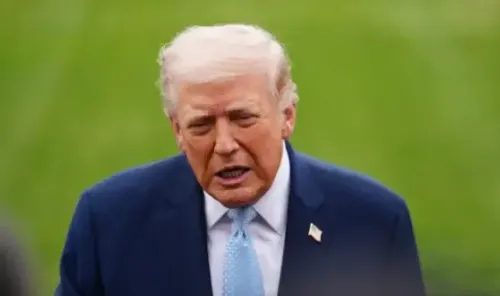
He stated on Truth Social, "I hope that nations affected by this artificial constraint will send ships to the area, so that the Hormuz Strait is no longer threatened by a nation that has been severely weakened." Trump further claimed that the US military has successfully dismantled "100 percent" of Iran's military capabilities.
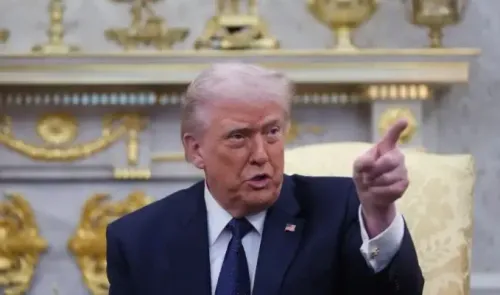
Trump added, "However, it is still feasible for them to deploy a drone or two, drop a mine, or launch a close-range missile in this waterway, regardless of their defeat." He assured that the United States would be aggressively targeting Iranian vessels and working to reopen the strait.
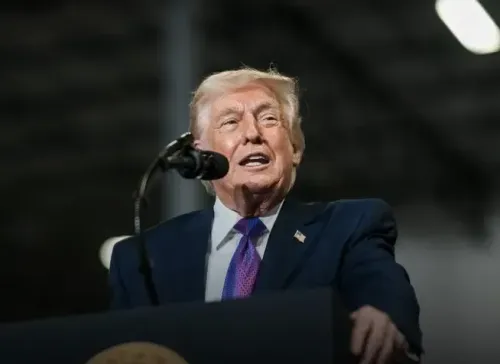
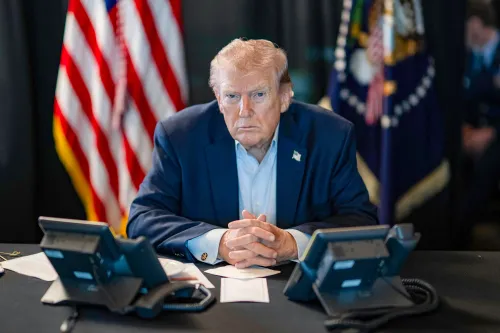
In another post, he stated, "The US has decisively defeated Iran on military and economic fronts. Countries receiving oil through the Hormuz Strait must ensure the safety of this passage."
Trump pledged that the US would provide significant support, stating, "We will coordinate with those nations to ensure a swift and effective response." He framed this effort as a collective initiative, aimed at fostering global harmony, security, and lasting peace.
Currently, South Korea has its Cheonghae naval unit deployed in the Gulf of Aden for anti-piracy missions. In 2020, Seoul opted to extend the operational scope of this unit to include the Strait of Hormuz, following pressure from Washington to contribute to safeguarding this important global shipping lane.
Shipping disruptions in this region are particularly concerning for South Korea, which relies on the Middle East for over 70% of its oil imports.
Since February 28, the US military operation has intensified, aiming to eliminate Iran's missile capabilities and maritime forces, undermine Iranian-backed militant organizations, and prevent Iran from acquiring nuclear weapons.
Despite these significant military efforts, Iran's Supreme Leader, Ayatollah Mojtaba Khamenei, remains defiant, asserting that the blockade of the strait will continue to be used as leverage and that he seeks retribution for the "blood" of those lost in conflicts with the US and Israel.
Point of View
And the response from allied nations will be crucial in addressing potential disruptions.
NationPress
14 Oct 2026
Frequently Asked Questions
What is the significance of the Strait of Hormuz?
The Strait of Hormuz is a vital maritime passage that accounts for approximately 20% of the world's oil supply, making it critical for global energy security.
Why is President Trump calling on South Korea and Japan?
Trump is urging these nations to send ships to help ensure the Strait of Hormuz remains open and secure amid rising tensions with Iran.
What recent actions has the US taken against Iran?
The US military has intensified operations aimed at dismantling Iran's military capabilities and preventing its access to nuclear weapons.
How does this situation affect South Korea?
South Korea relies on the Middle East for over 70% of its oil imports, making disruptions in the Strait of Hormuz a significant concern for its energy security.
What has Iran's response been to US military actions?
Iran's Supreme Leader has vowed to continue using the blockade of the Strait of Hormuz as leverage and seeks retaliation for past conflicts.