Trump Calls for International Naval Support to Safeguard Hormuz Strait
Synopsis
In a statement addressing rising tensions with Iran, President Donald Trump has urged global partners to send warships to the crucial Strait of Hormuz, emphasizing its significance for international shipping and energy supplies.
Key Takeaways
The Strait of Hormuz is a crucial global shipping route.
President Trump urges international cooperation to secure it.
Iran's military capabilities have been claimed to be weakened by the US.
Disruptions in the Strait can impact global energy prices.
Countries reliant on oil from the Gulf are particularly affected.
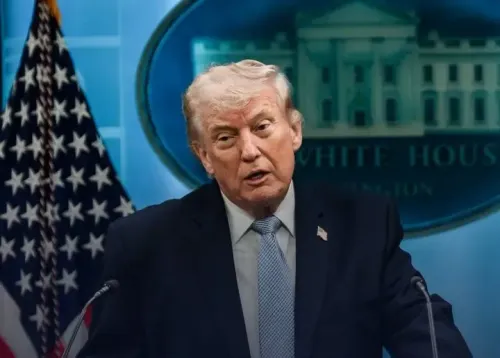
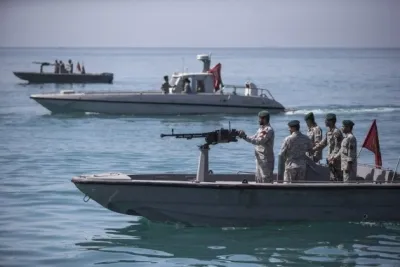
Washington, March 14 (NationPress) In light of escalating tensions with Iran and concerns regarding maritime safety, US President Donald Trump announced on Saturday that several nations might collaborate with the United States to send warships to the Strait of Hormuz, which is a crucial global shipping corridor.
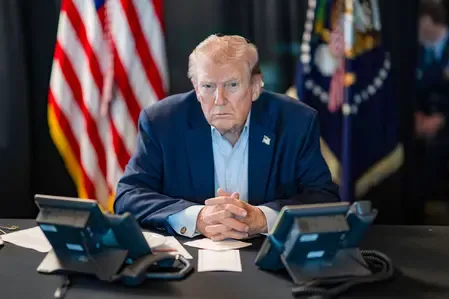
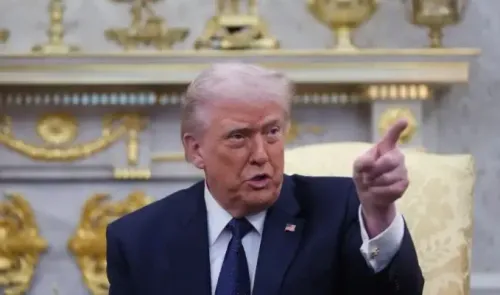
In a social media post, Trump stated that countries facing potential disruptions in this vital waterway should join forces with US military personnel to ensure its security.
“Numerous nations, particularly those impacted by Iran’s efforts to obstruct the Hormuz Strait, will be dispatching warships alongside the United States to maintain the safety and accessibility of the Strait,” he remarked.
The President also asserted that Iran's military strength has been significantly weakened due to US actions.
“We have effectively neutralized 100 percent of Iran’s military capabilities, but they can still deploy drones, lay mines, or launch short-range missiles within this waterway, despite their substantial defeats,” Trump stated.
He encouraged major economies and US allies dependent on the Strait for energy supplies to take part in its safeguarding.
“I hope that nations like China, France, Japan, South Korea, the UK, and others, which are affected by this artificial blockade, will send vessels to the area to ensure the Hormuz Strait is no longer a threat from a country that has been completely incapacitated,” Trump expressed.
Trump also cautioned that the United States would persist in military operations designed to deter Iran from posing threats to shipping routes in the area.
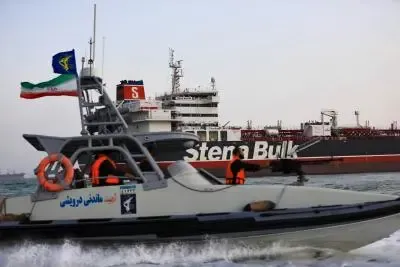
“Meanwhile, the United States will be aggressively targeting the coastline and continuously intercepting Iranian boats and ships,” he wrote.
“One way or another, we will ensure the Hormuz Strait is OPEN, SAFE, and FREE!”
The Strait of Hormuz represents one of the most strategically significant maritime chokepoints globally. A substantial portion of the world's oil and gas shipments transit through this narrow channel, connecting the Persian Gulf to international waters. Any disturbance in this area can swiftly elevate energy prices and unsettle global markets.
This route is especially essential for Asian economies, including India, Japan, South Korea, and China, which are heavily reliant on oil supplies transported from Gulf producers via the strait.
The global oil supply has been impacted due to Iran’s actions blocking the Strait of Hormuz following the US attack on Iran.
Point of View
The call for international naval cooperation presents a significant opportunity for nations to safeguard a crucial shipping route while addressing geopolitical challenges posed by Iran's actions. This response underscores the importance of collective security in maintaining global energy supplies.
NationPress
30 Sept 2026
Frequently Asked Questions
Why is the Strait of Hormuz important?
The Strait of Hormuz is a key maritime chokepoint through which a substantial portion of the world's oil and gas shipments transit, making it vital for global energy security.
What did Trump say about Iran's military capabilities?
Trump claimed that US actions have effectively destroyed 100 percent of Iran's military capabilities, although he acknowledged that Iran could still pose threats through drones and missile attacks.
Which countries did Trump mention in his statement?
Trump specifically mentioned China, France, Japan, South Korea, and the UK as countries that should participate in securing the Strait of Hormuz.
What actions is the US planning to take regarding Iran?
The US plans to continue military operations to prevent Iran from threatening shipping in the region, including targeting Iranian boats and coastal defenses.
How might disruptions in the Strait of Hormuz affect global markets?
Any disruptions in the Strait of Hormuz can lead to increased energy prices and instability in global markets, given its significance for oil and gas shipments.