US Prioritizes Strait of Hormuz Security Amid Iran Conflict
Synopsis
Amid escalating tensions with Iran, the US reaffirms its commitment to keeping the Strait of Hormuz open, with military measures in place to ensure uninterrupted oil flow. Learn how Operation Epic Fury aims to protect global energy supplies and stabilize markets.
Key Takeaways
The Strait of Hormuz is crucial for global oil supply.
The US is committed to preventing any Iranian disruptions.
Operation Epic Fury aims to dismantle Iran's military capabilities.
The US Navy is prepared to escort tankers if necessary.
Fuel price increases are considered temporary by the White House.
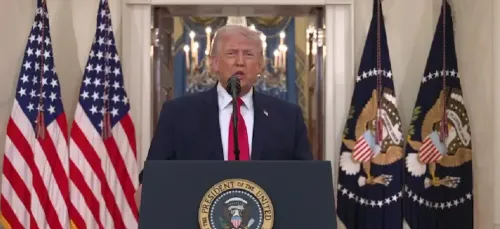
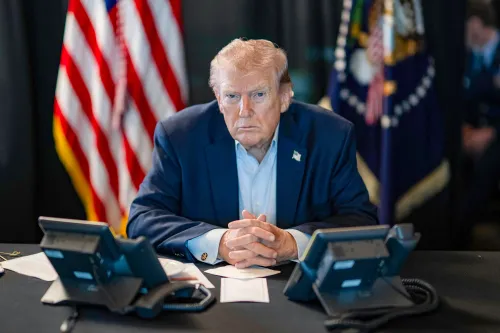
Washington, March 10 (NationPress) The White House has reaffirmed that the United States is steadfast in ensuring the Strait of Hormuz remains accessible as tensions with Iran escalate. President Donald Trump is committed to preventing Tehran from disrupting global energy flow.
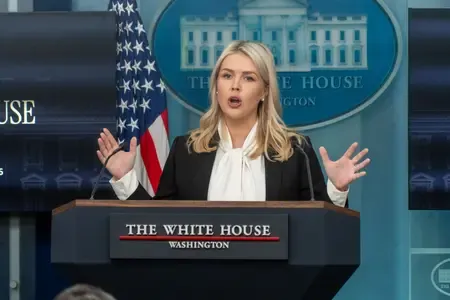
White House Press Secretary Karoline Leavitt stated that safeguarding this crucial shipping corridor is a primary goal of Operation Epic Fury, the military initiative launched against Iran.
“President Trump has reiterated his dedication to maintaining oil transit through the Strait of Hormuz, ensuring that the US and our allies can meet their energy requirements,” Leavitt conveyed to journalists during a daily briefing.
She cautioned that Iran would encounter significant military repercussions should it attempt to obstruct this essential waterway.
“Any effort to halt the transfer of oil or commodities within the Strait of Hormuz will result in a response from the world's most formidable military that is 20 times greater than any prior actions taken against them,” she emphasized.
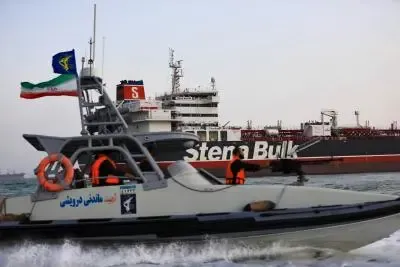
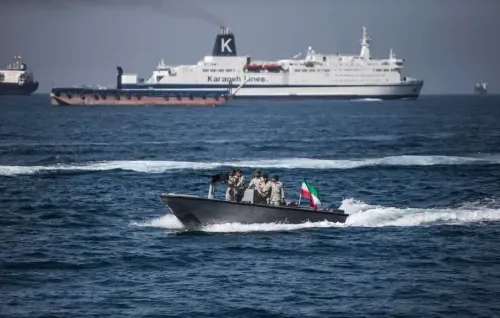
The Strait of Hormuz is a pivotal energy passage, responsible for a substantial portion of global oil transportation. Disruptions in this area can swiftly escalate oil prices and destabilize international markets.
Leavitt mentioned that the Trump administration expected Iran to attempt to disrupt energy markets as tensions rose and had preemptively devised strategies to protect shipping operations.
“The President anticipated that the rogue Iranian regime would seek to interfere with global markets,” she stated.
As part of these contingency plans, measures have been implemented to assist commercial tankers operating in the Gulf.
“The Trump administration has thus far provided political risk insurance for tankers navigating the Gulf,” Leavitt explained.
Additionally, the US government has temporarily relaxed specific restrictions to stabilize supply during this crisis.
“The Treasury has temporarily waived certain sanctions related to oil,” she noted.
Furthermore, the White House indicated that the US Navy could provide escort services for oil tankers in this narrow channel if deemed necessary.
“The Commander-in-Chief has authorized the US Navy to escort tankers when required,” Leavitt stated.
However, she clarified that no escort operations have been conducted to date, addressing a social media comment from the Energy Secretary that implied otherwise.
“I was made aware of this post, but I haven’t had the opportunity to discuss it with the Energy Secretary. However, I can confirm that the US Navy has not escorted any tankers or vessels at this time, although that remains an option,” she added.
Leavitt further mentioned that the administration is continually evaluating additional measures to ensure the safety of this vital waterway and stabilize energy markets.
“The President and his energy team are diligently monitoring market conditions, engaging with industry leaders, and the US military is outlining further options as directed by the President to keep the Strait of Hormuz open,” she stated.
The White House also aimed to reassure Americans concerned about increasing fuel prices amid the ongoing conflict.
“To the American public, please rest assured that the recent surge in oil and gas prices is temporary, and this operation will ultimately lead to lower gas prices in the long run,” Leavitt affirmed.
She argued that once the military objectives are achieved, energy prices could decrease once again.
“After the national security goals of Operation Epic Fury are fully realized, Americans can expect a rapid decline in oil and gas prices, perhaps even lower than prior to the operation's commencement,” she stated.
The United States has initiated Operation Epic Fury with the aims of dismantling Iran’s missile capabilities, diminishing its naval strength, and preventing Tehran from acquiring nuclear weapons, as per the White House.
The Strait of Hormuz links the Persian Gulf to global shipping routes and facilitates a significant share of the world’s maritime oil trade. Due to its strategic significance, any threats to this waterway are closely monitored by major energy consumers like India, China, Japan, and various European nations.
Point of View
Close monitoring and prompt action will be essential.
NationPress
2 Oct 2026
Frequently Asked Questions
What is the Strait of Hormuz?
The Strait of Hormuz is a narrow waterway connecting the Persian Gulf to international shipping lanes, significant for the transportation of a large portion of the world’s seaborne oil trade.
What is Operation Epic Fury?
Operation Epic Fury is a US military campaign aimed at dismantling Iran’s missile capabilities, reducing its naval forces, and preventing it from acquiring a nuclear weapon.
How does the US plan to protect oil supplies?
The US has implemented measures such as providing political risk insurance to tankers and may utilize Navy escorts to ensure the safe passage of oil through the Strait of Hormuz.
What are the potential consequences for Iran?
If Iran attempts to block the Strait of Hormuz, it will face severe military retaliation from the US, which has stated it will respond with overwhelming force.
How will this conflict affect fuel prices?
The White House assures that the recent increase in oil prices is temporary, and once military objectives are met, prices are expected to decline.