Potential US Naval Escorts for Tankers in Hormuz Amid Iran Tensions
Synopsis
The US may deploy naval escorts for oil tankers in the Strait of Hormuz due to rising tensions with Iran. This measure aims to secure global energy supplies and maintain shipping security in a crucial maritime corridor.
Key Takeaways
US may deploy naval escorts for tankers.
Strait of Hormuz controls 20% of global oil supply.
Measures aim to stabilize energy markets.
Iran's influence on shipping could diminish.
US officials confident economy can absorb shocks.
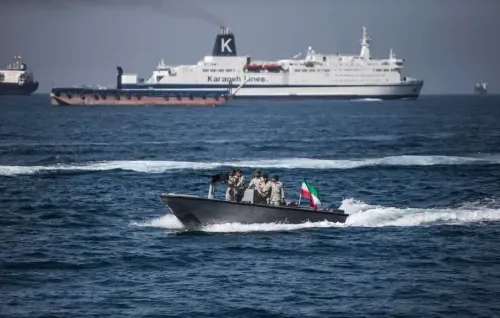
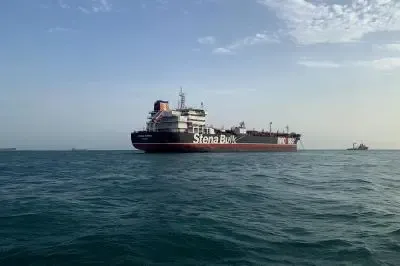
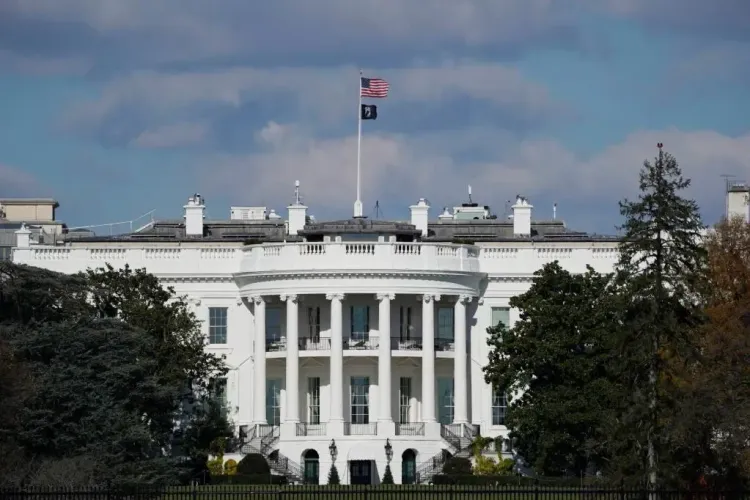
On March 5, (NationPress) the United States is considering the deployment of naval escorts for oil tankers traversing the Strait of Hormuz, as per statements from the White House. This decision arises in light of escalating tensions with Iran, raising alarms regarding global energy supplies and the security of shipping routes in one of the most vital maritime passages worldwide.
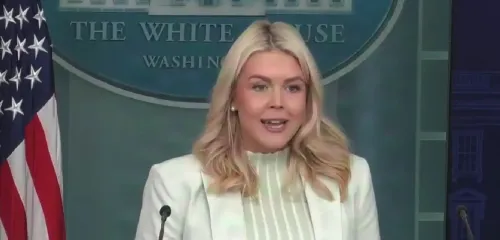
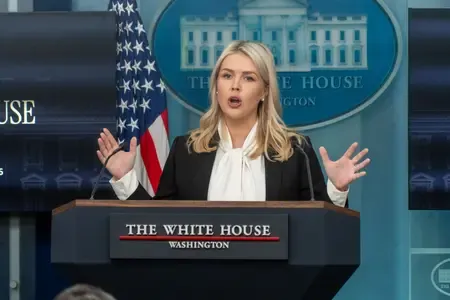
During a White House press briefing on Wednesday, Press Secretary Karoline Leavitt indicated that the administration is vigilantly observing oil market dynamics and maritime movements as Operation Epic Fury continues its campaign against Iran.
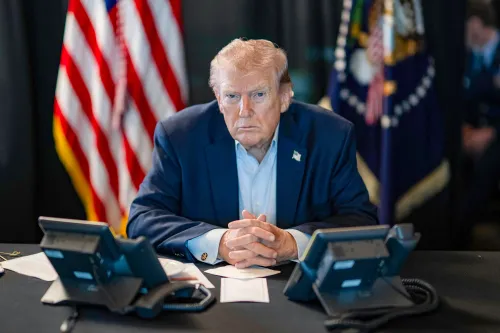
Leavitt noted that President Donald Trump has already initiated measures to stabilize energy markets and safeguard shipping within the Gulf region.
"Yesterday, President Trump announced that the US Development Finance Corporation will offer political risk insurance at a competitive rate for crude carriers and cargo vessels operating in and around the Gulf," Leavitt shared with the press.
She emphasized that the United States Navy stands ready to intervene directly should shipping security worsen.
"As previously mentioned, the president stated that if deemed necessary and appropriate, the US Navy will commence escorting tankers through the Strait of Hormuz," she explained.
This action aims to avert disruptions to global oil supplies as tensions with Iran escalate.
Leavitt highlighted the strategic significance of the waterway in global energy markets.
"The Strait of Hormuz… is pivotal, controlling 20% of the world's oil supply," she remarked.
The White House confirmed that the administration is coordinating with its economic and energy teams to mitigate the economic repercussions of the ongoing conflict.
"Regarding oil prices and the domestic economy, this is a matter that Secretary of the Treasury Scott Bessent, Secretary of Energy Chris Wright, and the National Economic Council of Energy led by Doug Burgum have been diligently addressing well in advance," Leavitt stated.
She further mentioned that US officials are confident that the economy can withstand temporary shocks arising from the situation.
"The president and his economic team believe that the economy remains strong and resilient, capable of weathering the temporary impacts of Operation Epic Fury," she stated.
The White House also indicated that recent actions against Iran could ultimately stabilize global energy markets.
Leavitt contended that the conflict would diminish Tehran's capability to influence shipping through the strategic Strait.
"This highlights why this action was essential; ultimately, the energy sector will benefit from the president's actions concerning Iran," she asserted.
She also stated that Iran would no longer be able to threaten shipping through the region.
"Iran will cease to control the Strait of Hormuz and obstruct the free flow of energy," she affirmed.
Oil prices experienced a brief increase following the onset of the conflict, sparking concerns regarding inflation and fuel costs for major importing nations.
However, the White House reported that markets had stabilized after the administration unveiled measures to secure maritime energy routes.
"Crude oil prices dropped yesterday, and they remain stable today following the president's announcement regarding steps to ensure global energy market stability," Leavitt noted.
The Strait of Hormuz, located between Iran and Oman, links the Persian Gulf to global shipping lanes, and is widely recognized as the most crucial oil transit chokepoint globally.
Point of View
The potential deployment of US naval escorts for oil tankers through the Strait of Hormuz underscores a proactive approach to ensuring maritime security and stabilizing global energy markets. The implications of these developments are significant for both regional stability and the international economy.
NationPress
20 Sept 2026
Frequently Asked Questions
Why is the US considering naval escorts for tankers?
The US is considering naval escorts for tankers in response to rising tensions with Iran, aiming to secure global energy supplies and ensure shipping security.
What is the significance of the Strait of Hormuz?
The Strait of Hormuz is crucial as it controls 20% of the world's oil supply, making it a vital maritime corridor for global energy.
How might these measures affect oil prices?
The deployment of naval escorts and other measures may help stabilize oil prices by ensuring the secure passage of tankers through strategic waterways.
What actions has the US already taken regarding the conflict with Iran?
The US has initiated measures such as offering political risk insurance for crude carriers and is closely monitoring oil markets amid ongoing tensions.
What is Operation Epic Fury?
Operation Epic Fury refers to the current US military operations aimed at addressing threats posed by Iran and securing maritime routes.