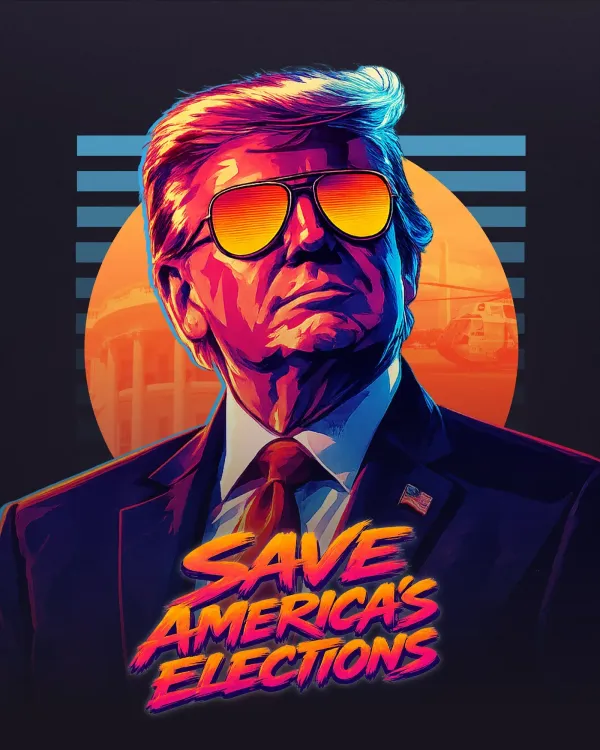
White House Pushes Voter ID to 'Save America's Elections'
Synopsis
The White House posted a sharp call to action on August 16, 2026, urging Americans to 'Fight for VOTER ID and Save America's elections.' The move reignites a decades-old partisan battle over ballot security versus voter access, with the 2026 midterms already underway and a potential federal standard looming.
Key Takeaways
The White House posted a public call to action on August 16, 2026 , urging support for Voter ID requirements.
The Help America Vote Act of 2002 first encouraged states to adopt voter identification procedures at the federal level.
The 2013 Shelby County v.
Holder Supreme Court ruling accelerated Republican-led state expansions of photo ID laws.
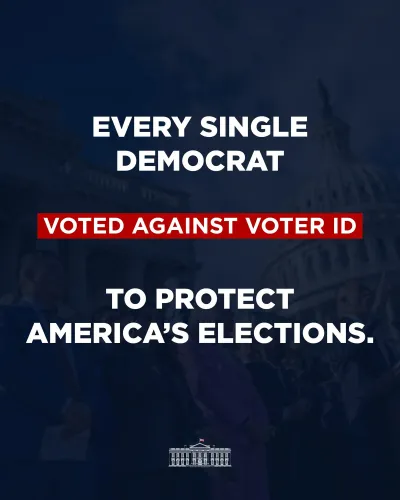
Voter ID requirements remain a sharp partisan divide: Republicans frame them as fraud prevention, Democrats as barriers to access.
Any federal Voter ID mandate would require Congressional action and would likely face immediate legal challenges.
The push comes as both the 2026 midterm cycle and future 2028 elections draw heightened scrutiny over election rules.
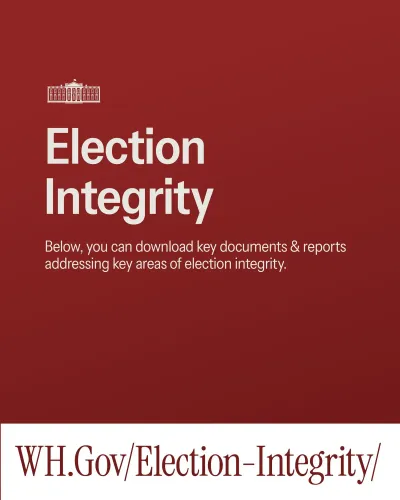
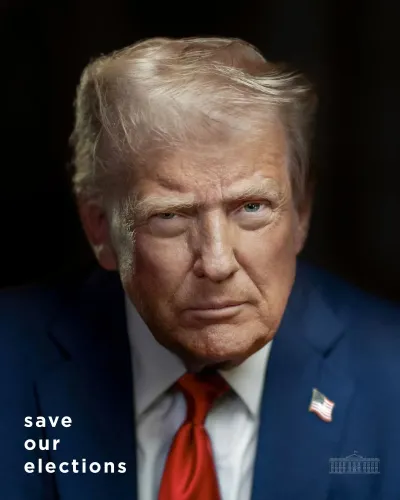
The White House is throwing its weight behind a push for mandatory Voter ID, framing the issue as nothing less than a fight to preserve the integrity of American elections. The official account of the Executive Office of the President posted the call to action on Sunday, August 16, 2026, linking to what appears to be a campaign or petition resource.
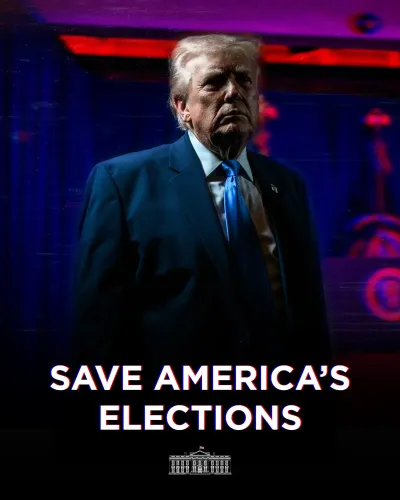
The post's language — 'Fight for VOTER ID and Save America's elections' — is pointed and urgent, signalling that election security remains a live priority at the highest levels of the executive branch.
A Decades-Long Battle Over the Ballot Box
Voter ID is not a new fight. The Help America Vote Act of 2002 first pushed states toward standardised identification procedures for federal elections, but implementation has varied wildly across the country. Since the Supreme Court's 2013 Shelby County v. Holder ruling — which struck down a key provision of the Voting Rights Act — Republican-led states accelerated the expansion of photo ID requirements, while Democrats moved in the opposite direction, championing measures to broaden ballot access. The result is a patchwork: some states require a government-issued photo ID, others accept a wider range of documents, and a handful impose no ID requirement at all. That inconsistency is precisely what Voter ID advocates argue undermines public confidence in elections.The Republican Case — and the Democratic Counter
Supporters of strict Voter ID laws argue they are a common-sense safeguard — a basic check, they say, that most democracies already use. Opponents counter that in-person voter fraud is vanishingly rare, and that ID requirements disproportionately burden low-income voters, elderly citizens, and racial minorities who are less likely to hold qualifying documents. Both arguments have been litigated in courtrooms across the country for years. Neither side has landed a knockout blow — which is why the White House's renewed public push matters. When the executive office amplifies the issue directly to the public, it signals a legislative or regulatory move may be in the works.What a Federal Standard Would Mean
Any push toward a federal Voter ID mandate would require Congressional action — and that is where the real battle lies. With the 2026 midterm cycle already underway and 2028 on the horizon, election rules are under sharper scrutiny than ever. State-level ballot measures and court challenges are expected to multiply. A White House-backed federal standard would be a seismic shift, overriding the current state-by-state mosaic and almost certainly triggering immediate legal challenges. For now, the post is a signal — loud, deliberate, and aimed squarely at energising a base that views election integrity as a defining issue. The fight for Voter ID, it seems, is very much back on the national agenda.Point of View
Or whether it functions primarily as a base-mobilisation tool. Either way, it guarantees that Voter ID will remain a fault line in American political life well into 2028.
NationPress
17 Aug 2026
Frequently Asked Questions
What is Voter ID and why is it controversial in the US?
Voter ID laws require voters to show government-issued identification at polling places. Supporters say they prevent fraud; critics argue they disproportionately burden low-income, elderly, and minority voters who may lack qualifying documents.
Does the US have a federal Voter ID law?
No. The Help America Vote Act of 2002 encouraged states to adopt ID procedures but set no uniform national standard. Requirements vary significantly from state to state.
What did the White House post about Voter ID in 2026?
On August 16, 2026 , the official White House account on X posted a call to action urging Americans to 'Fight for VOTER ID and Save America's elections,' linking to an external resource.
What was the Shelby County v. Holder ruling and how does it relate to Voter ID?
The Supreme Court's 2013 Shelby County v. Holder decision struck down a key formula in the Voting Rights Act that required certain states to seek federal approval before changing election laws, freeing Republican-led states to expand Voter ID requirements more quickly.
Could the US pass a federal Voter ID requirement?
It is possible but would require an act of Congress . Any such legislation would almost certainly face legal challenges and intense political opposition, making passage difficult without a clear legislative majority.