Trump Urges Oil-Dependent Nations to Secure Hormuz Strait Amid Iran Tensions
Synopsis
In a recent address, President Trump called on nations reliant on Middle Eastern oil to secure the Strait of Hormuz, blaming Iran for rising fuel prices and disruptions. He emphasized the importance of US energy production and encouraged these nations to take action.
Key Takeaways
Trump highlights the need for oil-dependent nations to secure Hormuz.
He blames Iran for rising fuel prices.
US energy independence is emphasized as a stabilizing factor.
The Strait of Hormuz is crucial for global oil shipments.
India's energy security remains vulnerable due to fluctuations.
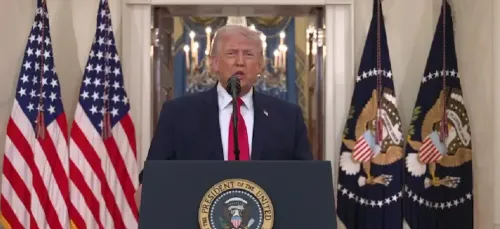
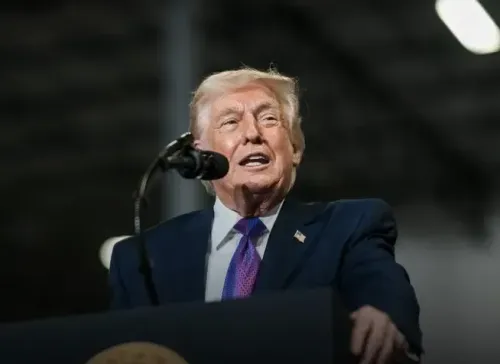
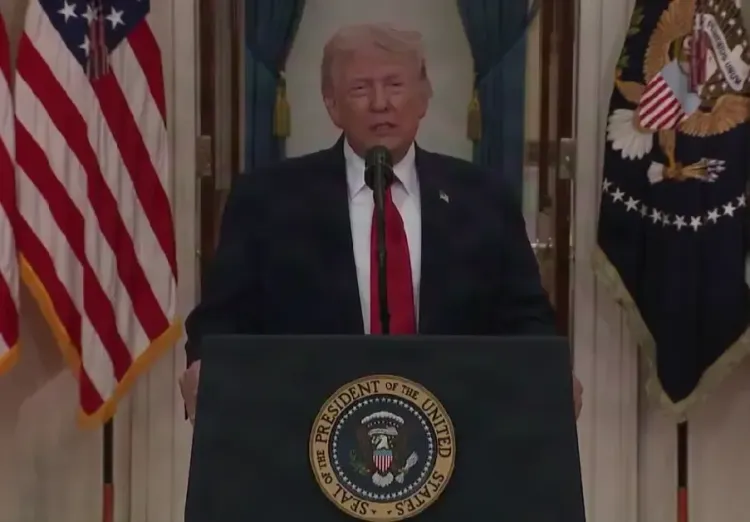
Washington, April 2 (NationPress) - In a recent statement, US President Donald Trump emphasized that nations relying on oil from the Middle East should assume responsibility for safeguarding the Strait of Hormuz. He attributed the recent disruptions and escalated fuel prices to actions by Iran.
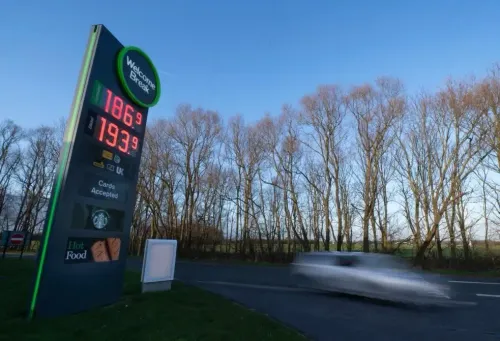
During his televised address on Wednesday night (local time), Trump remarked that the surge in gasoline prices was “completely due to the Iranian regime's reckless terror attacks on commercial oil tankers and nearby nations that are not involved in the conflict.”
He cautioned that Iran’s behavior has increased risks to global energy supplies and reaffirmed the US stance toward Tehran. “This serves as further evidence that Iran cannot be trusted with nuclear arms,” he stated.
Trump asserted that the United States would not shoulder the responsibility of securing maritime routes by itself. Addressing the nations that depend on oil passages through the Strait of Hormuz, he said, “They need to manage that route… they must take ownership and protect it.”
He pointed out that several oil-dependent nations have refrained from engaging in the conflict and should now take action. “For those nations struggling to procure fuel… many of which are hesitant to get involved… we had to step in ourselves,” he said.
Trump provided a straightforward recommendation. “First, purchase oil from the United States… and second, muster some necessary courage… proceed to the Strait and take control, safeguard it, and utilize it for your own benefit.”
He noted that any disruptions would be temporary and linked to the direction of the conflict. “Once this conflict concludes, the strait will naturally reopen,” he said, adding that Iran will have to resume oil exports to revitalize its economy.
In the latter part of his comments, Trump highlighted US energy dominance as a safeguard against global shocks. “America possesses an abundance of gas. We have an excess of gas,” he mentioned, referencing domestic production.
“Under my administration, we are the leading producer of oil and gas worldwide,” he added, asserting that the US produces “more oil and gas than Saudi Arabia and Russia combined.”
He remarked that US production, alongside supplies from Venezuela, has diminished dependence on Middle Eastern energy. “We are now entirely independent of the Middle East… we do not require their oil,” Trump stated, clarifying that the US imports “almost no oil” through the Strait of Hormuz.
Trump argued that robust domestic production would stabilize markets once tensions subside. “Gas prices will swiftly decline. Stock prices will rebound quickly,” he asserted.
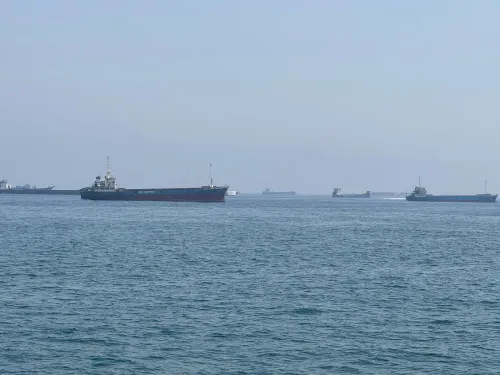
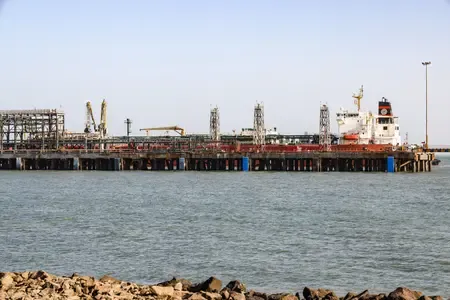
The Strait of Hormuz is a critical chokepoint for oil shipments, with a large portion of global crude traversing the narrow passage between the Persian Gulf and the Arabian Sea. Disruptions in this area can have immediate effects on global markets.
India, which relies heavily on crude imports from the Gulf, remains vulnerable to fluctuations in the Strait. Any extended disruptions or price increases could directly impact inflation, trade balances, and energy security in the region.
Point of View
Trump's statements underscore a critical moment in global energy politics. His call for oil-dependent nations to take responsibility for the Strait of Hormuz reflects a shift toward greater self-reliance in energy security while emphasizing US energy independence.
NationPress
7 Oct 2026
Frequently Asked Questions
What did Trump suggest oil-dependent nations do?
Trump urged these nations to secure the Strait of Hormuz themselves and emphasized purchasing oil from the United States.
What is the significance of the Strait of Hormuz?
The Strait of Hormuz is a crucial chokepoint for global oil shipments, significantly affecting energy markets.
How does Iran's behavior affect fuel prices?
Trump stated that Iran's actions have led to disruptions in oil supply, directly contributing to rising fuel prices.
What does Trump say about US energy production?
Trump claimed that the US is the leading producer of oil and gas globally, reducing reliance on Middle Eastern energy.
What are the implications for countries importing oil from the Gulf?
Countries like India, which import significant amounts of crude from the Gulf, could face challenges due to price volatility and supply disruptions.