Trump: US can secure Strait of Hormuz alone, no European help needed
Synopsis
Trump flatly rejected European military help for the Strait of Hormuz, saying the US needs no allies and warning energy-dependent nations that turning down Washington’s offer will prove ‘expensive.’ With Iran talks unresolved and mines reportedly swept by US forces, Trump is betting American unilateral power can hold the world’s most critical oil chokepoint.
Key Takeaways
President Donald Trump on 5 June said the US does not need European military assistance to secure the Strait of Hormuz .
Trump claimed NATO countries and other allies declined a prior US invitation to participate in Gulf security.
He warned energy-dependent nations that rejecting the offer would prove ‘an expensive proposition.’ Trump linked the strait’s reopening directly to a prospective Iran nuclear deal, saying it would ‘open immediately’ upon agreement.
US forces have ‘largely swept for mines’ in the region, according to Trump.
The Strait of Hormuz carries a significant share of the world’s daily crude oil and LNG trade.
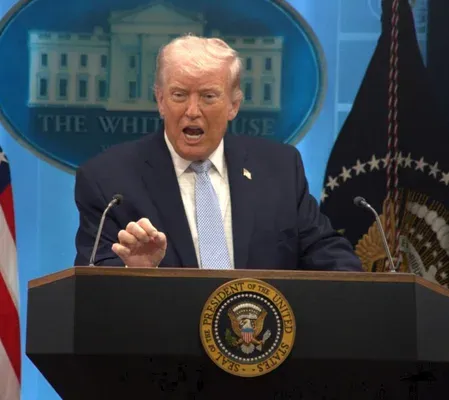
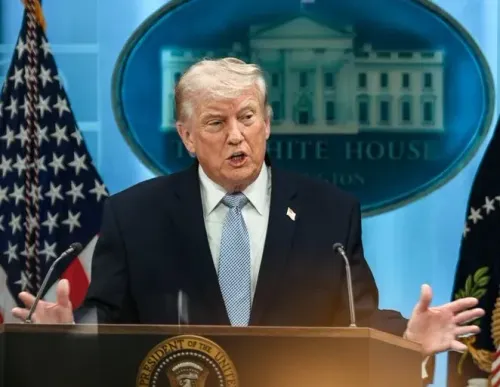
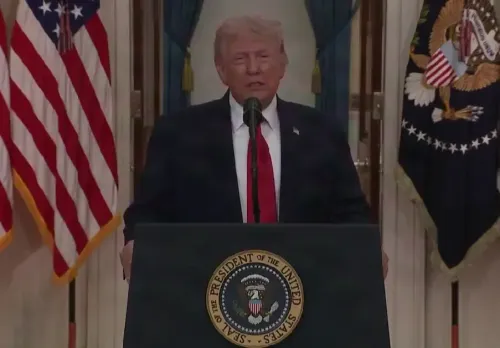
US President Donald Trump on Thursday, 5 June declared that the United States does not need military assistance from European allies to protect navigation through the Strait of Hormuz, asserting that the critical waterway would reopen and remain secure under American oversight. The remarks came during an extended question-and-answer session at the White House, where Trump addressed Iran, maritime security, and global energy supplies.
Trump's Blunt Rejection of Allied Help
“We don’t need their help,” Trump said when asked whether he still sought European participation in securing the strait. “We’re the most powerful military in the world.”
Trump claimed the United States had already extended an invitation to NATO members and other nations to contribute, only to be turned down. “We went to the NATO countries. We went to others, too,” he said. “I said, hey, if you’d like to help, it would be wonderful, and they all turned us down.”
A Costly Decision for Energy-Dependent Nations, Trump Warns
Trump suggested the refusal could carry economic consequences for countries that rely heavily on Gulf energy shipments. “It’s going to be an expensive proposition for them because they shouldn’t have done that,” he said.
While noting that the US holds sufficient domestic energy reserves, Trump acknowledged the deeper exposure of European and other economies. “We have much more than we need in terms of oil and energy generally,” he said. “But European countries and other countries, they need it tremendous.”
Iran Deal and the Strait’s Future
Trump directly linked the reopening of the Strait of Hormuz to the outcome of ongoing negotiations with Iran. “The main parts of the deal are they can’t have a nuclear weapon,” he said. “The strait will open immediately.”
This comes amid prolonged diplomatic uncertainty over Iran’s nuclear programme, with multiple rounds of indirect talks between Washington and Tehran having yielded no final agreement. The strait’s status has remained a pressure point in those negotiations.
US Military Steps Already Taken
Trump also indicated that American forces had already undertaken active measures to improve maritime safety in the region. “We’ve largely swept for mines,” he said. “We have the most sophisticated minesweepers.”
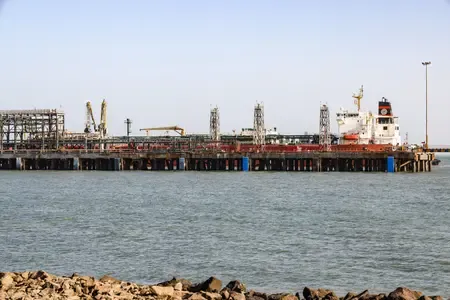
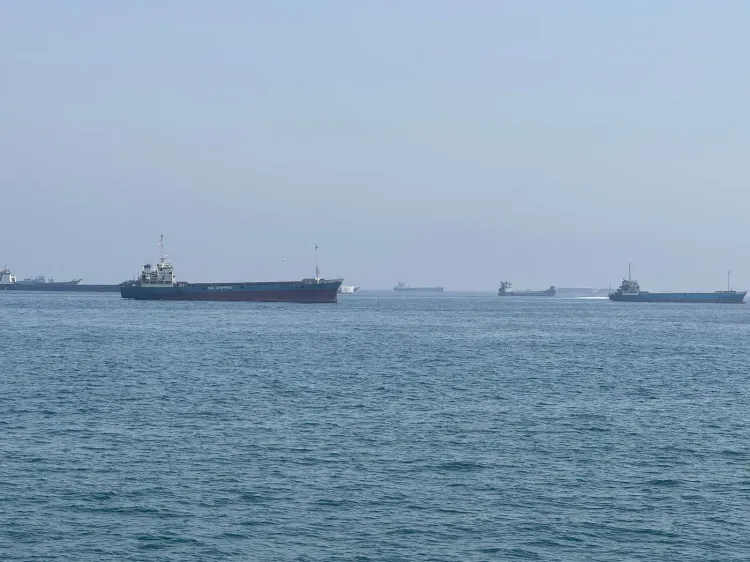
The Strait of Hormuz is one of the world’s most consequential energy chokepoints, connecting the Persian Gulf with the Gulf of Oman and the Arabian Sea. A significant share of globally traded crude oil and liquefied natural gas transits the narrow waterway daily, making any disruption to shipping there a potential trigger for global energy price shocks.
Why This Matters
Trump’s dismissal of allied contributions marks a notable shift in tone from earlier signals that suggested a multilateral approach to Gulf security. Notably, the comments place the full burden of Hormuz stability squarely on US military capacity at a moment when Washington’s Iran diplomacy remains unresolved. How European capitals respond to the implicit warning about energy costs will be closely watched in the days ahead.
Point of View
He is inverting the traditional logic of collective security — turning allied absence into leverage. The deeper question is whether American military confidence in the strait can substitute for the diplomatic coalition needed to make any Iran deal durable. A unilateral posture that works in a crisis may not hold through a prolonged standoff, and the energy markets — which price in both — will be watching closely.
NationPress
29 Jul 2026
Frequently Asked Questions
What did Trump say about the Strait of Hormuz?
Trump said the United States does not need European military help to secure the Strait of Hormuz, declaring America the world’s most powerful military. He made the remarks on 5 June during a White House question-and-answer session focused on Iran and maritime security.
Why did Trump warn European countries about energy costs?
Trump warned that nations which declined the US invitation to help secure the strait would face an ‘expensive proposition,’ implying disruption to Gulf energy shipments could hurt them disproportionately. He noted the US has sufficient domestic energy and is less exposed than European economies.
How does the Strait of Hormuz connect to Iran nuclear talks?
Trump directly linked the strait’s reopening to a prospective nuclear deal with Iran, saying the waterway would ‘open immediately’ if an agreement is reached. The key condition he cited is that Iran must not be permitted to possess a nuclear weapon.
What military steps has the US already taken in the strait?
Trump said US forces have ‘largely swept for mines’ in the region and described American minesweepers as the most sophisticated in the world. He presented these actions as evidence that the US can manage maritime security in the strait independently.
Why is the Strait of Hormuz strategically important?
The Strait of Hormuz connects the Persian Gulf with the Gulf of Oman and the Arabian Sea, and a significant share of the world’s daily crude oil and liquefied natural gas trade passes through it. Any disruption to shipping there can trigger immediate global energy price shocks.