Trump claims US will seize Strait of Hormuz, become its 'guardian angel'
Synopsis
Trump has declared the US will seize and permanently run the Strait of Hormuz — the world's most critical oil chokepoint — after accusing Iran of breaking a completed deal and launching drones into the waterway. The claim, if acted upon, would represent the most dramatic assertion of US unilateral control over an international shipping lane in modern history, with direct consequences for India and Asia's energy security.
Key Takeaways
President Donald Trump on 13 July declared the US would take permanent control of the Strait of Hormuz .
Trump claimed the US struck Iranian military assets overnight, saying 'most of their equipment is gone.' He alleged a completed US-Iran agreement collapsed after Iran sought revisions following an 11-hour negotiating session.
Trump said countries benefiting from safe Strait passage should reimburse the US for its security role.
The Strait of Hormuz carries a major share of global oil and LNG exports, including to India and other Asian economies.
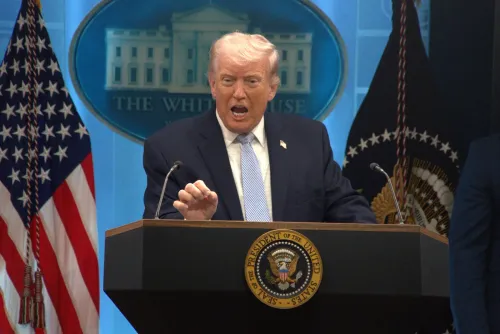
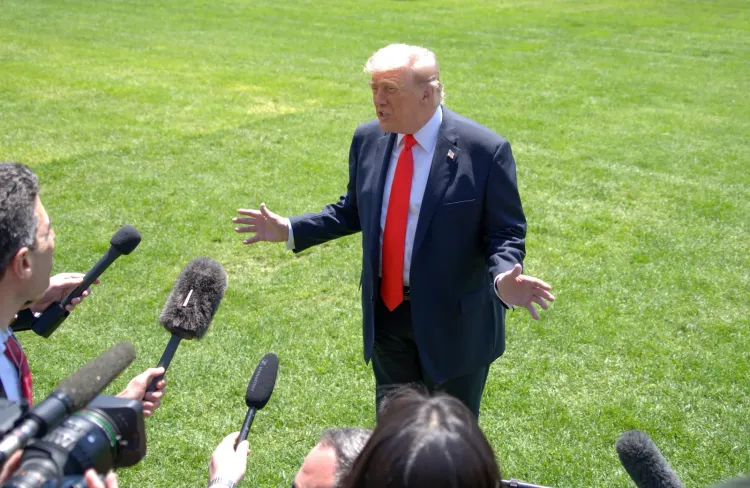
US President Donald Trump on Monday, 13 July declared that the United States would take control of the Strait of Hormuz and assume permanent oversight of the critical shipping lane, accusing Iran of violating a military agreement and continuing to deploy drones into the waterway. The announcement marks a dramatic escalation in Washington's posture toward Tehran over one of the world's most consequential energy corridors.
Trump's Remarks on Seizing the Strait
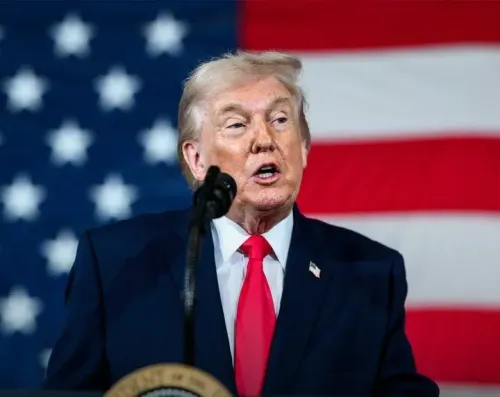
Speaking in a Fox News interview, Trump was unequivocal about Washington's intentions. 'We're taking over the Strait. They have nothing. They've got nothing,' he said. The president added that the US had struck Iranian military assets overnight and would continue to respond with force to any new drone activity. 'We hit them very hard last night. Every time they send a drone, we hit them very hard,' Trump said, claiming that much of Iran's air-defence equipment had been destroyed in the strikes.
The Collapsed Deal and Iran's Negotiating Tactics
Trump alleged that Washington and Tehran had reached what he described as a completed agreement before Iran sought revisions after an 11-hour negotiating session. 'We had a deal. It was a done deal. And then they broke it,' he said. He claimed Iranian negotiators initially agreed to all terms under discussion before calling back to request changes — a pattern he attributed to professional delay tactics. 'Always changes,' Trump said. 'You know, they're professional negotiators. That's all they are.' He did not disclose the specific terms of the alleged agreement.
Permanent US Control and Reimbursement Demand
Trump said the United States would now retain control of the Strait indefinitely and could formalise a permanent security role. 'We're just going to hit them very hard. And we're going to keep the Strait, and we'll probably run it,' he said. 'We'll become the guardian of the Strait. Maybe we'll call it the guardian angel of the Strait.' He further argued that nations benefiting from safe passage through the waterway should financially compensate Washington. 'Now we're going to guard it, and we're going to get paid for guarding it,' Trump said, contending that the US had protected the corridor for decades without receiving payment.
Why the Strait of Hormuz Matters
The Strait of Hormuz links the Persian Gulf with the Gulf of Oman and the Arabian Sea, making it one of the most strategically vital energy chokepoints on the planet. It carries a substantial share of global oil and liquefied natural gas exports from major Gulf producers to international markets, including India and other Asian economies. Any sustained disruption to navigation through the Strait would have immediate consequences for global energy prices and supply chains. This comes amid a broader deterioration in US-Iran relations, with drone incidents in the waterway having escalated in recent weeks.
What Happens Next
Trump's remarks raise significant questions about the legal and diplomatic framework under which the US would assert control over an international shipping lane. No formal announcement of a military operation or treaty has been made public. Regional powers, including Gulf Cooperation Council states and India — both major users of the Strait — are expected to monitor developments closely. Analysts warn that any attempt to formalise US control could draw sharp responses from Iran, China, and other stakeholders with interests in the waterway's international status.
Point of View
If accurate, signals that back-channel diplomacy has broken down entirely, leaving military escalation as the default posture. For India, which depends on Gulf energy flows through Hormuz, the stakes are not abstract: any prolonged confrontation or US-imposed access regime could translate directly into energy price shocks. The reimbursement demand also sets a troubling precedent — framing global security as a transactional service rather than a shared international obligation.
NationPress
12 Oct 2026
Frequently Asked Questions
What did Trump say about the Strait of Hormuz?
President Trump declared on 13 July that the US would take control of the Strait of Hormuz and permanently oversee its security, calling the country its 'guardian angel.' He made the remarks in a Fox News interview after accusing Iran of breaking a military agreement and sending drones into the waterway.
Why did Trump say the US-Iran deal collapsed?
Trump alleged that Iran agreed to all terms during an 11-hour negotiating session before calling back to seek revisions. He described Iran as 'professional negotiators' who repeatedly delay agreements, and said the US would no longer pursue further talks under those conditions.
Did the US carry out military strikes on Iran?
Trump claimed the US struck Iranian military assets overnight, stating 'we hit them very hard last night' and that 'most of their equipment is gone,' including anti-aircraft systems. The strikes were described as a response to Iranian drone activity in the Strait of Hormuz. Independent verification of the strike details was not available at the time of reporting.
Why does the Strait of Hormuz matter to India?
The Strait of Hormuz is a critical energy corridor linking the Persian Gulf to the Arabian Sea, carrying a large share of oil and liquefied natural gas exports from Gulf producers to India and other Asian economies. Any disruption or change in access rules would have direct implications for India's energy imports and fuel prices.
What is Trump's reimbursement demand?
Trump argued that the US has protected the Strait of Hormuz for decades without payment and said other wealthy nations benefiting from safe passage should now reimburse Washington for the cost of providing security. He framed this as a precondition for the US assuming its proposed 'guardian' role.