Trump warns of Strait of Hormuz oil disruption, signals Iran blockade
Synopsis
Trump has openly described a US Navy operation in the Strait of Hormuz as a 'blockade', with hundreds of tankers reportedly stranded and Iran's energy exports in the crosshairs. With negotiations uncertain and Trump himself saying a deal may not be needed, the world's most critical oil corridor is in play — and India, deeply dependent on Gulf crude, is watching closely.
Key Takeaways
Donald Trump on 2 May described US naval operations near the Strait of Hormuz as a "blockade", with "hundreds and hundreds of ships" stranded.
Trump said Iran is "unable to export any energy" and its economy is "crumbling" as a result of US pressure.
He predicted oil prices would "drop like a rock" once movement resumed, citing record US domestic production.
Trump claimed the military operation had "paid for the cost of the war by about 37 times " — without detailing the metric.
The Strait of Hormuz handles an estimated 20% of global oil supply; any sustained disruption poses direct risks to India's crude import costs and domestic fuel prices.
Trump left diplomatic resolution open-ended, saying "maybe we're better off not making a deal at all."
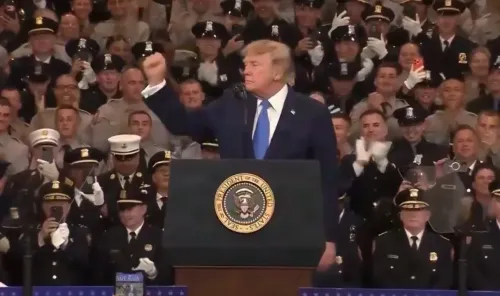
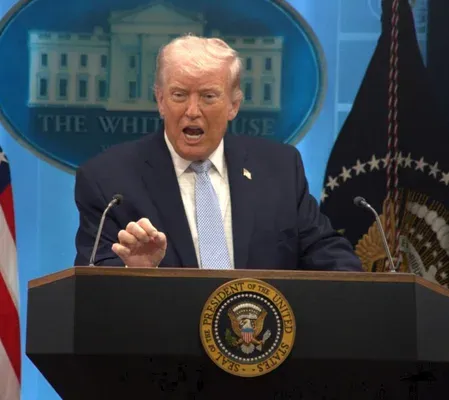
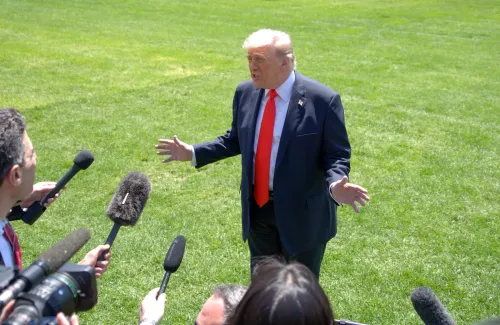
US President Donald Trump on 2 May signalled a potential disruption to global oil flows, warning that military operations and maritime congestion near the Strait of Hormuz — the world's most critical oil shipping corridor — could significantly affect energy supplies. Speaking at a Forum Club event in Palm Beach, Trump described what he characterised as a near-blockade enforced by the US Navy, with hundreds of tankers reportedly stranded and unable to transit the strait.
What Trump Said
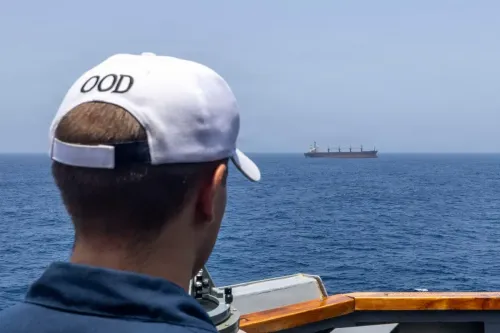
Trump painted a striking picture of vessel congestion in the Gulf corridor. "You see all of those ships… they're all over the place… hundreds and hundreds of ships," he said. He attributed the build-up directly to US naval operations: "We have a navy that is unbelievable… it's a blockade," he said, adding that tankers "loaded up with oil… can't get out of the strait."
He suggested some shipments were being rerouted toward the United States. "You see all of those big gorgeous ships… they're coming to Texas now… to load up," he said. Despite the apparent disruption, Trump struck a bullish tone on supply, predicting oil prices would "drop like a rock" once movement resumed. "There's so much oil," he said.
Iran in the Crosshairs
Trump explicitly linked the naval operations to a campaign against Iran, saying US actions were aimed at crippling Tehran's energy export capacity. "They're unable to export any energy and they're crumbling as an economy," he said. He also made a pointed claim about the economic calculus of military engagement: "This is the first war… where we actually have paid for the cost of the war by about 37 times already," he said, without elaborating on the methodology behind the figure.
At the same time, Trump acknowledged the unpredictability inherent in conflict. "With war, you never know what happens," he said. On the question of diplomatic resolution, he left the door open to prolonged standoff: "Maybe we're better off not making a deal at all," he said.
US Domestic Production as a Buffer
Trump maintained that record domestic output would absorb any supply shock stemming from Gulf disruptions. "We're producing more oil and gas now than we ever have," he said. The assertion aligns with recent US Energy Information Administration data showing elevated American production levels, though analysts caution that domestic output cannot fully substitute Gulf grades that refineries worldwide are calibrated to process.
What This Means for Global Markets and India
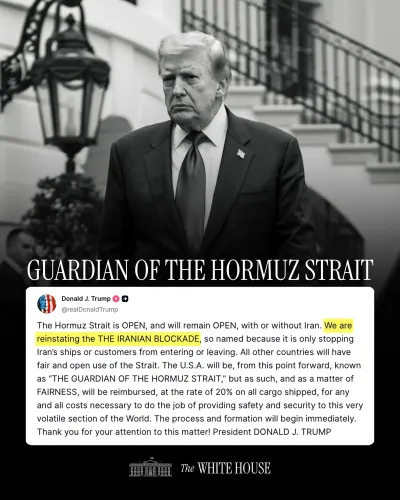
The Strait of Hormuz is the transit point for an estimated 20% of the world's oil supply, making any sustained disruption a systemic risk for energy markets. Global crude benchmarks have been tracking developments in the Gulf closely, with traders pricing in a geopolitical risk premium.
For India — which imports a substantial share of its crude from Gulf nations — stability in these shipping lanes is not optional. Prolonged congestion or a sustained naval blockade could raise freight costs, delay cargo deliveries, and feed directly into domestic fuel prices and broader inflation. New Delhi has historically maintained a careful balancing act between its strategic relationship with Washington and its energy dependence on the Gulf, making these developments particularly sensitive for Indian policymakers.
With negotiations between the US and Iran remaining opaque and Trump himself signalling uncertainty about their outcome, markets and governments alike face a period of elevated unpredictability in global energy supply chains.
Point of View
With real legal and market implications. What's missing from the narrative is clarity: if tankers are genuinely stranded, the supply-side shock would contradict his 'prices will drop' prediction. The 37-times war-cost-recovery claim is unverified and unexplained. For India, the deeper concern is structural — New Delhi has no short-term substitute for Gulf crude, and any prolonged disruption stress-tests a supply chain that Indian policymakers have been slow to diversify. The real story is not what Trump said, but what happens if he means it.
NationPress
20 Sept 2026
Frequently Asked Questions
What did Trump say about the Strait of Hormuz?
Trump said US naval operations had effectively created a blockade near the Strait of Hormuz, with hundreds of tankers stranded and unable to transit. He made the remarks at a Forum Club event in Palm Beach on 2 May, linking the situation to a campaign against Iran's energy exports.
Why is the Strait of Hormuz so important for global oil supply?
The Strait of Hormuz is the world's most critical oil shipping chokepoint, handling an estimated 20% of global oil supply. Any sustained disruption to vessel traffic through the strait can tighten global supply chains and push up crude prices worldwide.
How does the Strait of Hormuz situation affect India?
India imports a large share of its crude oil from Gulf nations, making it directly exposed to any disruption in Hormuz shipping lanes. Prolonged congestion or a blockade could raise freight costs, delay cargo arrivals, and feed into domestic fuel prices and inflation.
What did Trump say about Iran's economy?
Trump said Iran is 'unable to export any energy' as a result of US pressure and described the Iranian economy as 'crumbling'. He framed the naval operation as part of a broader strategy to limit Iran's economic and military capabilities.
Did Trump predict oil prices would rise or fall?
Despite describing significant supply disruption, Trump predicted oil prices would 'drop like a rock' once movement resumed, citing record US domestic oil and gas production as a buffer against any supply shock.