Strait of Hormuz open amid US-Iran escalation, Trump threatens fresh strikes
Synopsis
Trump's social media post threatening imminent strikes on Iran and seizure of Kharg Island — a critical oil export hub — has raised the US-Iran standoff to its most volatile point yet. Even as CENTCOM insists the Strait of Hormuz remains open and safe, the disabling of three tankers in a single week signals the blockade is being enforced with lethal force, with potentially sweeping consequences for global energy markets.
Key Takeaways
CENTCOM confirmed on 11 June that commercial shipping through the Strait of Hormuz remains uninterrupted despite the US blockade of Iran.
President Donald Trump threatened fresh strikes on Iran and signalled US intent to seize Kharg Island and other Iranian oil infrastructure.
The Guinea-Bissau -flagged M/T Jalveer became the third tanker disabled this week after a US aircraft fired two Hellfire missiles into its engine room.
Since 13 April , US forces have disabled 9 vessels , redirected 135 ships , and cleared 42 humanitarian aid vessels .
CENTCOM declared that Iran does not control the Strait of Hormuz , directly challenging Tehran's sovereignty claims over the waterway.
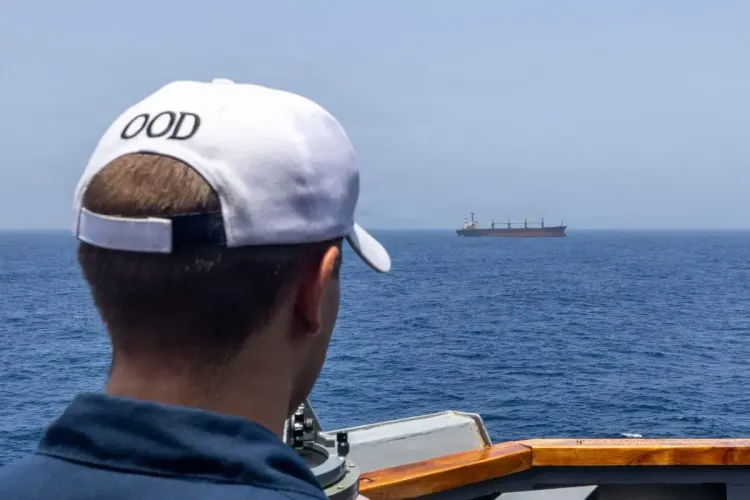
The US military confirmed on Thursday, 11 June that commercial shipping continues to move freely through the Strait of Hormuz despite an ongoing American blockade of Iran, even as President Donald Trump threatened fresh strikes against Tehran and signalled potential US control over key Iranian oil infrastructure. The statement from US Central Command (CENTCOM) came hours after Trump issued a stark warning on social media, raising fears of a sharp escalation in the Gulf.
Trump's Warning and Oil Infrastructure Threat
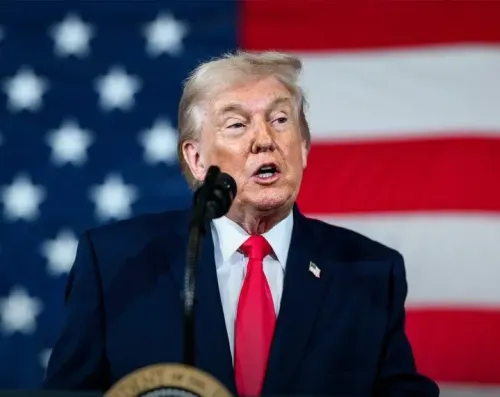
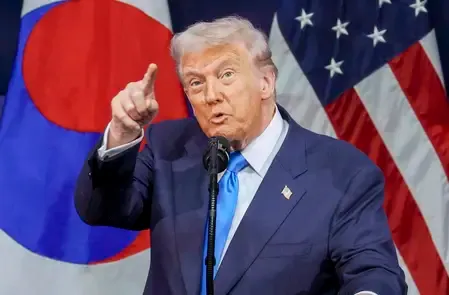
In a post on social media, President Trump stated: 'The United States will be hitting Iran (whose Navy, Air Force, Radar, Anti-Aircraft, and all other forms of Defence, together with most of its offensive capability, are GONE!), VERY HARD TONIGHT.'
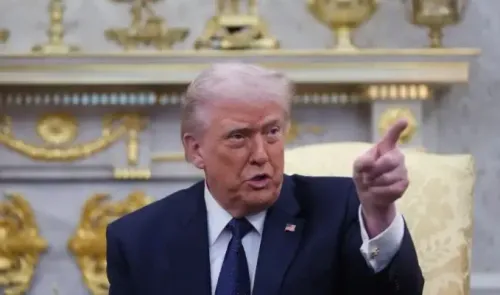
Trump also indicated territorial ambitions over Iranian energy assets, saying: 'At some point in the not too distant future, we will be taking Kharg Island, and other oil infrastructure points, and assume total control of their Oil and Gas Markets, much like we have with Venezuela, which is working out brilliantly for both Venezuela and the United States of America.'
The remarks represent a significant escalation in rhetoric, with the US president explicitly naming a specific Iranian oil facility — Kharg Island, through which a large share of Iran's crude exports pass.
Third Tanker Disabled This Week
CENTCOM announced that American forces had disabled a third commercial tanker this week for allegedly violating the blockade against Iran. The Guinea-Bissau-flagged vessel M/T Jalveer was disabled late Wednesday after it reportedly attempted to transport Iranian oil through the Gulf of Oman. According to the command, a US aircraft fired two Hellfire missiles into the vessel's engine room after the crew repeatedly failed to comply with instructions from US forces.
Earlier this week, CENTCOM carried out similar operations against two Palau-flagged vessels — M/T Marivex, which allegedly attempted to sail to an Iranian port, and M/T Settebello, which was reportedly transporting Iranian oil.
CENTCOM's Blockade Tally
Since the blockade operation began on 13 April, CENTCOM said US forces have disabled nine non-compliant vessels, redirected 135 ships that complied with instructions, and allowed 42 humanitarian aid vessels to proceed unimpeded. The command stated the blockade is being 'enforced impartially against vessels of all nations entering or departing Iranian ports and coastal areas, including all Iranian ports on the Arabian Gulf and Gulf of Oman.'
Safe Pathways and Hormuz Sovereignty Dispute
In a graphic released on Thursday, CENTCOM said 'safe pathways' have been established for commercial vessels transiting the Strait of Hormuz and are available to all ships not violating the blockade. The military noted that 'hundreds of ships' have passed through the strait over the past two months and that US forces remain positioned to defend vessels against what it described as Iranian aggression.
CENTCOM directly challenged Tehran's longstanding sovereignty claims over the waterway, stating unequivocally that 'Iran does not control the Strait of Hormuz.' The strait is one of the world's most critical energy chokepoints, with a significant share of globally traded crude oil and liquefied natural gas transiting the narrow passage linking the Gulf to the Arabian Sea.
What Comes Next
The combination of active tanker interdictions, Trump's threat of imminent strikes, and explicit references to seizing Kharg Island marks a new intensity in the US-Iran standoff. Energy markets and international shipping companies are watching closely, as any sustained disruption to the Strait of Hormuz could reverberate across global oil supply chains — including India, which is among the largest importers of Gulf crude.
Point of View
The legal and geopolitical fallout would be severe. For India, which depends heavily on Gulf crude, the Hormuz situation is not a distant crisis — it is a direct supply-chain risk that New Delhi has so far responded to with conspicuous silence.
NationPress
21 Sept 2026
Frequently Asked Questions
Is the Strait of Hormuz still open for commercial shipping?
Yes, according to CENTCOM, the Strait of Hormuz remains open for commercial vessels not violating the US blockade of Iran. The military said hundreds of ships have transited the strait over the past two months and that safe pathways have been established for compliant vessels.
What did Trump say about Iran on 11 June?
President Trump posted on social media threatening to strike Iran 'very hard' and stated that the US would take control of Kharg Island and other Iranian oil infrastructure. He drew a parallel to US actions in Venezuela, describing that situation as working out 'brilliantly.'
Which tankers were disabled by US forces this week?
Three tankers were disabled: the Guinea-Bissau-flagged M/T Jalveer, hit by two Hellfire missiles in the Gulf of Oman on Wednesday, and two Palau-flagged vessels — M/T Marivex and M/T Settebello — earlier in the week, for allegedly violating the Iran blockade.
When did the US blockade of Iran begin?
According to CENTCOM, the blockade operation began on 13 April. Since then, US forces have disabled nine non-compliant vessels, redirected 135 ships, and allowed 42 humanitarian aid vessels to proceed.
Why does the Strait of Hormuz matter for global energy markets?
The Strait of Hormuz is one of the world's most critical energy chokepoints, through which a significant share of globally traded crude oil and liquefied natural gas passes on its way from the Gulf to the Arabian Sea and beyond. Any sustained disruption would affect oil prices and supply chains worldwide, including in major importers like India.