CM Fadnavis asks ministers to celebrate Diwali with farmers
Synopsis
Chief Minister Devendra Fadnavis has called on Maharashtra cabinet ministers to celebrate Diwali with farming communities, the CMO announced on 5 November 2026, reinforcing the state government's rural outreach messaging ahead of the festival.
Key Takeaways
CM Devendra Fadnavis issued an appeal to Maharashtra ministers on 5 November 2026 to celebrate Diwali with farmers.
The directive was shared in the Chief Minister's Office's official daily summary on X.
The appeal targets farmers across Maharashtra , a state with one of India's largest agrarian economies.
The move follows a pattern of Maharashtra administrations directing cabinet members to rural areas during major festivals.
The post-harvest Diwali window is a politically sensitive period for farming households counting crop returns against input costs.
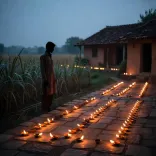
As Maharashtra's farming families prepare for Diwali, Chief Minister Devendra Fadnavis has asked his cabinet to step out of the cities and celebrate the festival directly with farmers — a directive the Chief Minister's Office of Maharashtra shared in its daily summary on Thursday, 5 November 2026.
The appeal: ministers in the fields, not the halls
The Chief Minister's Office summarised the day's key communication as a direct appeal from Fadnavis to his ministers: 'शेतकरी बांधवांसोबत दिवाळी साजरी करा' — 'Celebrate Diwali with your farmer brethren.' The call is a pointed nudge for the cabinet to be present in rural Maharashtra during one of India's biggest festivals, rather than limiting festivities to urban circuits.
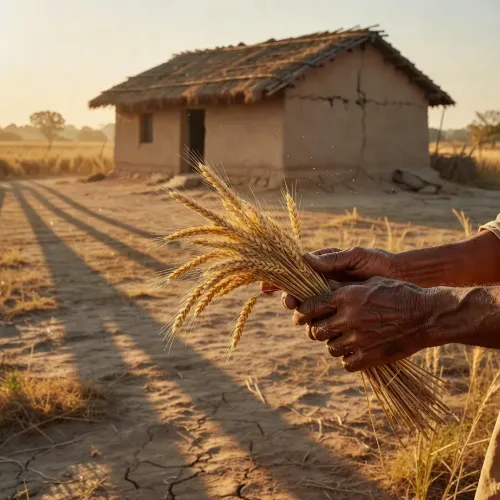
Maharashtra has one of India's largest agrarian economies, with millions of farming households across its Vidarbha, Marathwada, and Nashik divisions who experience the festival season against the backdrop of persistent challenges — from erratic monsoons to volatile market prices. A festival visit by a minister carries symbolic weight in that context, signalling administrative attention at a time when rural communities are most visible.
Fadnavis's pattern of rural outreach directives
Devendra Fadnavis, a BJP leader serving as Chief Minister for multiple terms, has consistently framed farmer welfare as a central pillar of his administration's agenda. Maharashtra governments across administrations have used festival windows — Diwali, Holi, harvest seasons — to direct officials toward village-level engagement, recognising that personal presence by elected leaders and ministers registers differently than policy announcements from Mumbai.
The appeal fits a well-established pattern in state politics: cabinet members are periodically sent to constituencies with explicit instructions to meet farmers, listen to grievances, and project government accessibility. The Diwali timing amplifies the gesture, given the festival's association with prosperity and its emotional resonance in agrarian households hoping for better market returns after the kharif harvest.
Why this moment, why this message
The directive arrives in the post-harvest window when farmers are tallying returns against input costs — a moment when administrative visibility either builds or erodes political goodwill. By framing the cabinet's Diwali plans as a responsibility toward farmers, Fadnavis positions the state government as one that sees the agrarian sector as a year-round priority, not a seasonal talking point.
Whether ministers translate the appeal into actual village visits — and what farmers make of those visits — will tell the fuller story.
Point of View
Particularly Vidarbha and Marathwada, has long been a litmus test for how seriously any state administration treats farmer distress. By making the appeal public and framing it as a cabinet obligation rather than a personal gesture, Fadnavis nudges the government's visible empathy in a direction that rural voters will notice. The real test arrives when reporters ask which ministers actually went, and which stayed home.
NationPress
6 Nov 2026
Frequently Asked Questions
What did CM Devendra Fadnavis say about Diwali 2026?
CM Devendra Fadnavis appealed to Maharashtra cabinet ministers to celebrate Diwali with farmers, urging direct rural engagement during the festival period.
Why is Diwali an important time for farmers in Maharashtra?
Diwali falls in the post-kharif harvest window when farmers are assessing crop returns against costs, making it an emotionally and economically significant period for agrarian communities.
What is the CMO Maharashtra's daily summary on X?
The Chief Minister's Office of Maharashtra publishes a daily summary on X recapping key announcements, directives, and statements from the Chief Minister and the state government.
Has Maharashtra done farmer outreach during festivals before?
Yes, Maharashtra administrations have a pattern of directing ministers and officials to visit rural areas during major festivals like Diwali as part of farmer welfare and outreach efforts.
Which districts of Maharashtra have the largest farming populations?
Vidarbha, Marathwada, and the Nashik division are among Maharashtra's most agriculturally significant regions, with large farming populations that are priority audiences for state rural welfare messaging.