Trump vows to seize Hormuz Strait, escalates Iran strikes
Synopsis
Trump didn't just threaten Iran — he announced US intentions to physically control the Strait of Hormuz, the world's most critical oil chokepoint, while revealing a near-deal with Tehran that collapsed at the last moment and naming a nuclear facility called 'Pickaxe' as a likely next target. The combination of blockade, strikes, and nuclear brinkmanship signals a major escalation with global energy and security consequences.
Key Takeaways
Donald Trump on 14 July vowed to seize control of the Strait of Hormuz and intensify US military strikes on Iran .
Trump announced the reimposition of a naval blockade targeting Iran, barring entities doing business with Tehran from transiting the strait.
A near-finalised diplomatic deal with Tehran reportedly collapsed after Iran objected to a specific clause, according to Trump.
Trump disclosed that an Iranian nuclear-related site referred to as 'Pickaxe' is under US surveillance and may be struck 'relatively soon.' Trump claimed US operations had destroyed Iran's Navy in one month and rendered its air force 'nonexistent' — claims that could not be independently verified.
Trump called on Saudi Arabia , the UAE , Qatar , Bahrain , and Kuwait to financially reimburse the US for regional military protection.
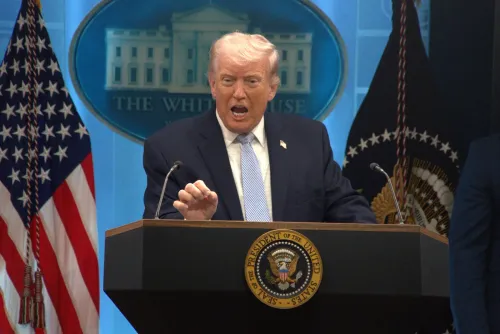
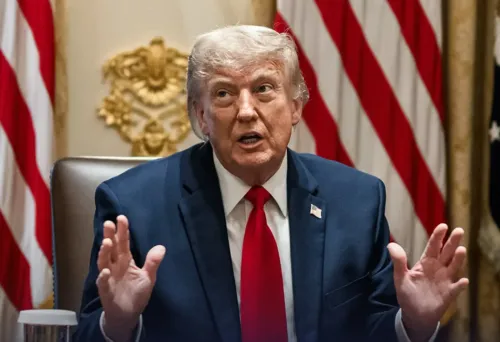
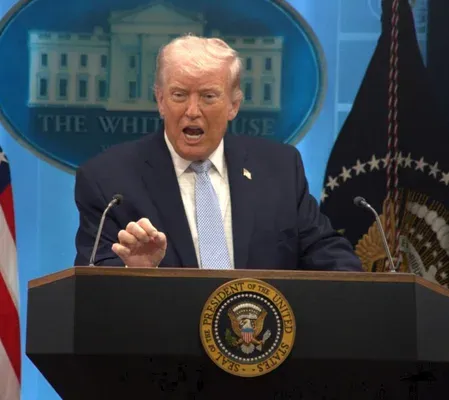
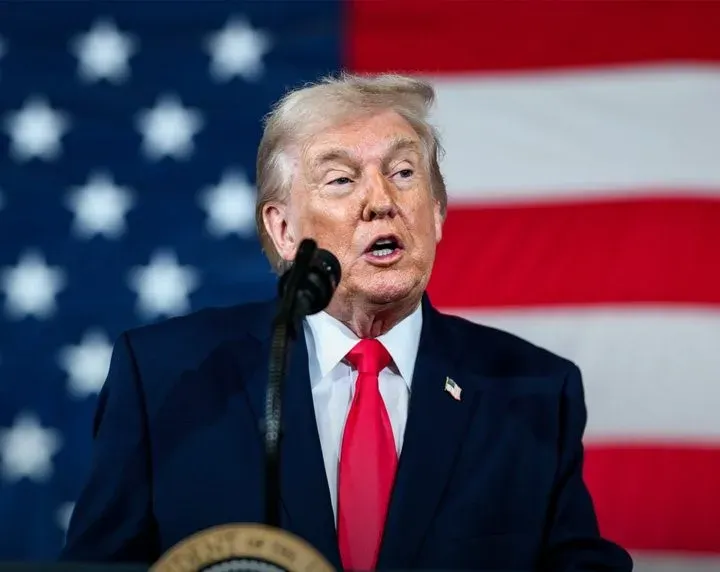
US President Donald Trump on 14 July declared that the United States would intensify military strikes against Iran, seek control of the Strait of Hormuz, and reimpose a naval blockade on Tehran — while leaving the door open for diplomacy if Iran agreed to terms. The remarks, made in the Oval Office and in a radio interview, mark a sharp escalation in the ongoing US-Iran confrontation.
The Hormuz Declaration
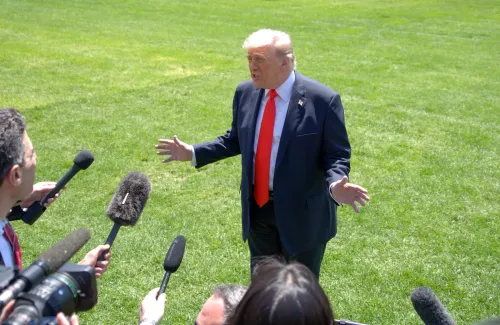
Speaking to reporters after signing executive orders on Utah national monuments, Trump stated: 'We're attacking them tonight and we're taking out all of their capability for anything having to do with the strait, with the Hormuz Strait. And I think in the end, we will end up just controlling the whole thing.'
He further announced the restoration of a naval blockade targeting Iran specifically. 'We're putting the blockade back and it's a blockade, not for anybody but Iran,' Trump said, adding that the measure would bar any entity doing business with Iran from transiting the strait while allowing all others free passage. He described the blockade as potentially 'more effective even than hitting them.'
A Deal That Collapsed
Trump said a negotiated agreement with Tehran had appeared imminent before falling apart. 'We had a deal yesterday or the day before yesterday, it was all done and then they broke up that deal immediately because they found out there was something in the deal they didn't like,' he said.
Despite the breakdown, Trump maintained that diplomacy was not off the table. 'Yeah, I think a deal is possible. Sure, I do,' he said. He characterised Iran's leadership as 'stone-cold, crazy people' and accused Tehran of a pattern of abandoning agreed terms: 'They make deals and, to them, deals are made to be broken. They are extremely unreliable people.'
Nuclear Facility 'Pickaxe' in Crosshairs
In a separate interview with radio host Hugh Hewitt, Trump disclosed that a facility he referred to as 'Pickaxe' — described as an Iranian nuclear-related site — was under close surveillance and was being considered for a strike. 'We'll probably give Pickaxe a shot relatively soon,' he said, adding that Space Force assets were monitoring the location and that no current activity had been detected there.
Trump reiterated that preventing Iran from acquiring nuclear weapons remained the central US objective. 'Iran will not have a nuclear weapon,' he said.
Military Claims and Gulf Burden-Sharing
The President asserted that months of US military operations had severely degraded Iran's armed forces. 'We knocked out their Navy in a period of one month. We knocked out their air force. Their air force is nonexistent. We knocked out most of their missiles, most of their drones,' he said. These claims could not be independently verified.
Trump also called on Gulf states benefiting from US military protection to share the financial cost, naming Saudi Arabia, the United Arab Emirates, Qatar, Bahrain, and Kuwait. 'I want to be reimbursed because we're protecting a very rich portion of the world,' he said, noting that the US no longer depends on Middle Eastern oil for its own energy needs.
What Comes Next
The Strait of Hormuz is one of the world's most critical oil chokepoints, through which roughly 20% of global petroleum trade transits. Any sustained US effort to assert control over the waterway would carry significant implications for global energy markets, regional security, and international maritime law. Tehran has not yet issued an official response to Trump's latest statements, and the trajectory of any renewed diplomatic contact remains uncertain.
Point of View
But even as signalling it raises the stakes for global energy markets and tests the limits of international maritime law. More telling is the collapsed deal — if a near-agreement unravelled over a single clause, the diplomatic window is narrower than Trump's 'a deal is possible' framing suggests. The naming of 'Pickaxe' as a likely strike target in a public radio interview is also unusual; historically, such disclosures precede action, serve as coercive signalling, or both. The Gulf burden-sharing demand, meanwhile, is a long-running Trump theme now given fresh urgency — and the named states will be watching Washington's next move very carefully.
NationPress
12 Oct 2026
Frequently Asked Questions
What did Trump say about the Strait of Hormuz?
Trump said the US would strike Iranian military assets linked to the strait and ultimately seek to control it entirely. He also announced the reimposition of a naval blockade specifically targeting Iran, while allowing all other nations free passage through the waterway.
Why did the US-Iran deal collapse, according to Trump?
Trump said a deal with Tehran had been finalised but collapsed almost immediately when Iran objected to a specific provision it had not anticipated. He did not disclose the nature of that provision.
What is 'Pickaxe' and why is it significant?
'Pickaxe' is the name Trump used to refer to an Iranian nuclear-related facility that he said is under US surveillance, including via Space Force assets. Trump indicated the site could be struck 'relatively soon,' though he noted no current activity had been detected there.
Is diplomatic engagement with Iran still possible?
Trump said he believes a deal with Iran remains possible despite the renewed military campaign. However, the collapse of a near-finalised agreement and the escalating strikes make the timeline and conditions for any renewed talks highly uncertain.
Which Gulf states did Trump name for burden-sharing?
Trump named Saudi Arabia, the United Arab Emirates, Qatar, Bahrain, and Kuwait, arguing that these wealthy Gulf nations should financially reimburse the US for the military protection it provides, given that Washington no longer relies on Middle Eastern oil.