Trump declares Iran deal done, orders Strait of Hormuz reopened
Synopsis
Donald Trump declared a US-Iran deal complete on 15 June, ordering the Strait of Hormuz reopened and the US naval blockade immediately lifted — but without disclosing terms or addressing Iran’s nuclear programme. With a formal signing set for Friday and major issues deferred, the question is whether a navigation-focused interim deal can hold.
Key Takeaways
President Donald Trump declared a US-Iran deal complete on 15 June 2025 , announcing it via social media.
Trump authorised the immediate reopening of the Strait of Hormuz and the removal of the US naval blockade .
A formal signing ceremony is expected on Friday , with mine-removal operations tied to the Strait’s reopening.
The White House released no official text; specific terms of the agreement were not disclosed.
Iran’s nuclear programme and US sanctions were not addressed and are expected to be handled in a separate, future phase of negotiations.
Reports from The Wall Street Journal , The Washington Post , and The New York Times describe the accord as an interim cease-fire framework.
US President Donald Trump announced on 15 June 2025 that the United States and Iran had concluded a deal to reopen the Strait of Hormuz and lift the US naval blockade — a development he described as a historic breakthrough after months of conflict that rattled global energy markets and stoked fears of a broader regional war.
What Trump Announced
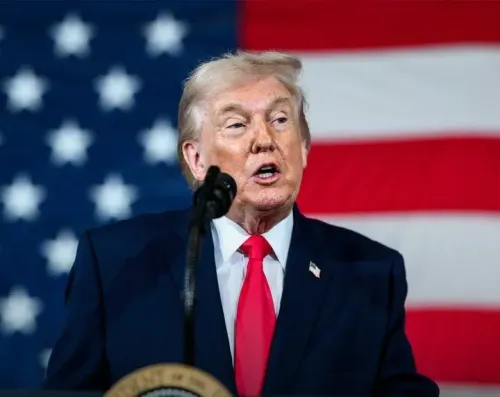
Trump declared the agreement complete in a post on social media, writing: ‘The Deal with the Islamic Republic of Iran is now complete. Congratulations to all!’ In a follow-up post, he authorised the immediate reopening of the waterway and the removal of the US naval blockade. ‘Ships of the World, start your engines. Let the oil flow!’ he wrote.
The President said the deal would be formally signed on Friday and tied the Strait’s reopening to mine-removal operations in the waterway. ‘With the opening of the Strait upon the signing of the Deal on Friday, for purposes of mine removal, oil will flow on both ends again for the Region, and the World!’ he added.
What the Agreement Covers
The White House did not immediately release an official text of the agreement, and Trump did not disclose specific terms. His statements indicated that the immediate focus is restoring freedom of navigation through the Strait and removing barriers to commercial shipping.
According to The Wall Street Journal, US and Iranian officials had agreed on an interim framework aimed at ending hostilities and creating space for further negotiations. The Washington Post similarly reported that the accord would end the blockade and reopen the Strait while leaving other major issues — including Iran’s nuclear programme and US sanctions — for a separate phase of talks. The New York Times described the arrangement as a cease-fire that could pave the way for broader bilateral negotiations.
Why the Strait of Hormuz Matters
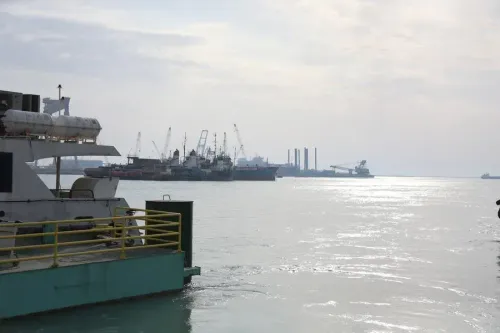
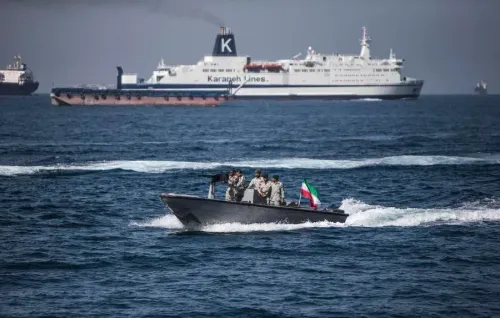
The Strait of Hormuz is one of the world’s most critical energy chokepoints, through which a substantial share of global seaborne oil trade passes. Disruptions to shipping through the waterway over recent months contributed to significant volatility in global energy prices and raised alarm among oil-importing nations, including India, which depends heavily on Gulf crude supplies.
The US naval blockade, imposed during the period of conflict, had effectively constrained tanker movement through the strait, sending shockwaves through commodity markets worldwide.
Trump’s Diplomatic Claims
Trump cast the agreement as evidence of his administration’s unique diplomatic capacity. ‘Many presidents have tried to make Peace with Iran, and all have failed before me,’ he wrote. ‘This Great Deal will bring Peace and Security to the whole Region.’
The announcement followed a period of intense diplomatic activity, with several international outlets reporting that US and Iranian negotiators had moved closer to an understanding through weeks of talks involving regional mediators.
What Remains Unresolved
Notably, Trump’s posts did not address Iran’s nuclear programme, US sanctions, or the broader set of issues that have divided Washington and Tehran for decades. Analysts and critics are likely to scrutinise whether a deal limited to navigation rights and a blockade withdrawal can hold without progress on those deeper fault lines. The formal signing ceremony, expected on Friday, will be closely watched for details the social media posts did not provide.
Point of View
Without releasing a text or addressing Iran’s nuclear programme, raises the question of whether this is a durable settlement or a headline-first arrangement. The Strait of Hormuz is the easy part: both sides have economic incentives to reopen it. The hard part — sanctions architecture, uranium enrichment limits, regional proxy behaviour — has been explicitly deferred. History suggests that interim frameworks in US-Iran diplomacy have a poor record of converting into comprehensive agreements. The Friday signing will be the first real test of whether there is substance behind the posts.
NationPress
26 Sept 2026
Frequently Asked Questions
What is the US-Iran deal announced by Trump on 15 June 2025?
President Trump announced that the United States and Iran have concluded an agreement to reopen the Strait of Hormuz and lift the US naval blockade that had been imposed during months of conflict. The deal is described by multiple outlets as an interim cease-fire framework, with a formal signing expected on Friday.
When will the Strait of Hormuz reopen under the deal?
Trump said the Strait will reopen upon the formal signing of the deal on Friday, with the reopening linked to mine-removal operations in the waterway. Commercial shipping is expected to resume once those operations are under way.
Does the deal address Iran’s nuclear programme or US sanctions?
No. Trump’s announcement did not address Iran’s nuclear programme or US sanctions. Reports from The Washington Post and The New York Times indicate those issues have been deferred to a separate, future phase of negotiations.
What did Trump say about previous US presidents and Iran?
Trump claimed his administration had succeeded where all previous presidents had failed, writing: ‘Many presidents have tried to make Peace with Iran, and all have failed before me.’ He presented the agreement as evidence of his unique diplomatic capacity.
Why does the Strait of Hormuz matter for global oil markets?
The Strait of Hormuz is a critical chokepoint through which a substantial share of the world’s seaborne oil trade passes. The US naval blockade imposed during the conflict disrupted tanker movement and caused significant volatility in global energy prices, affecting oil-importing nations including India.