US-Iran peace deal: Strait of Hormuz to reopen, ceasefire declared
Synopsis
After months of conflict that shook global energy markets, the United States and Iran have struck a peace deal — permanent ceasefire, Strait of Hormuz reopened, US naval blockade lifted. The UN welcomed it as a 'critical step'; Trump declared it complete on social media. The real test is whether the diplomatic framework that follows can make it stick.
Key Takeaways
The United States and Iran announced a peace deal on 15 June providing for an immediate and permanent ceasefire.
US President Donald Trump authorised the toll-free reopening of the Strait of Hormuz and the lifting of the US naval blockade .
UN Secretary-General António Guterres called the deal 'a critical step towards the peaceful settlement of the conflict.' Regional mediators Pakistan , Qatar , Egypt , Saudi Arabia , and Türkiye were credited for supporting the negotiations.
A framework for further negotiations is included in the agreement, with the UN ready to support a durable peace process.
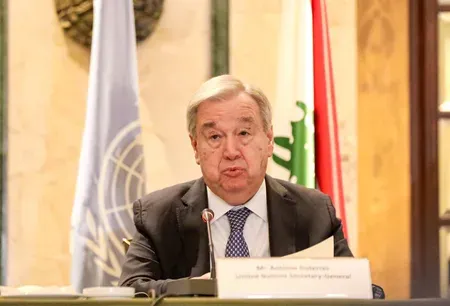
United Nations Secretary-General António Guterres on 15 June welcomed the announcement that the United States and Iran have agreed on a peace deal providing for an immediate and permanent ceasefire, the reopening of the Strait of Hormuz, and a framework for further negotiations. The development marks a potential turning point in a conflict that had rattled global energy markets and stoked fears of a broader regional war.
What the Deal Covers
The agreement, as described by officials, includes an immediate and permanent ceasefire between Washington and Tehran, the lifting of the US naval blockade, and the toll-free reopening of the Strait of Hormuz — the narrow waterway through which a substantial share of the world's seaborne oil trade passes. A framework for further negotiations has also been established as part of the accord.
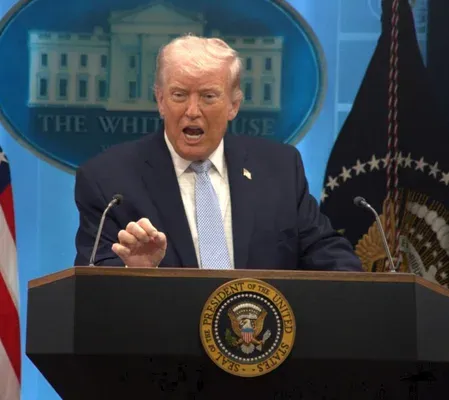
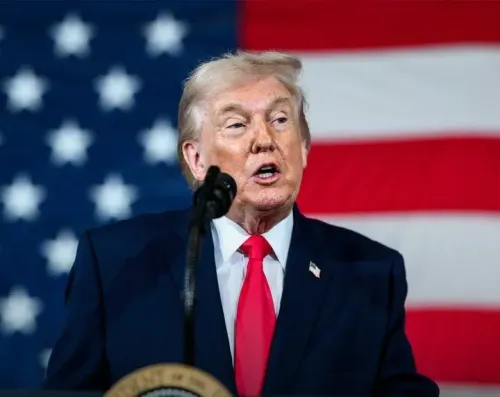
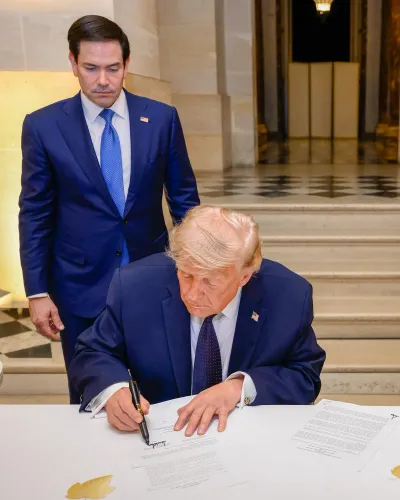
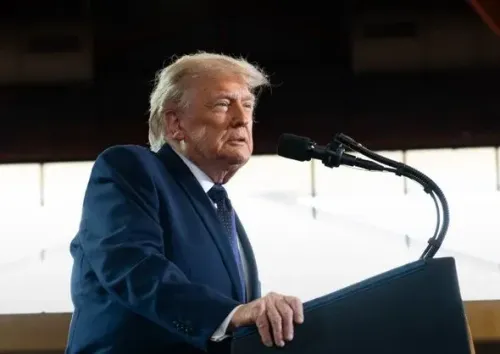
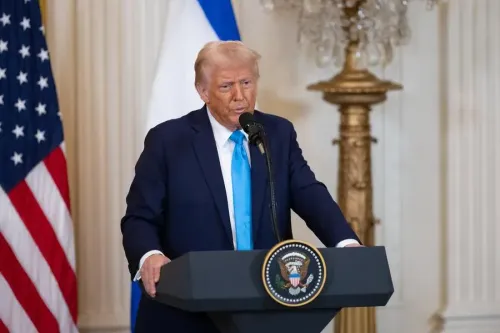
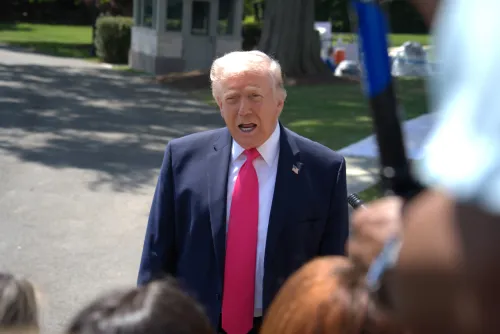
US President Donald Trump confirmed the deal in a post on social media, writing: 'The Deal with the Islamic Republic of Iran is now complete. Congratulations to all!' He separately authorised the reopening of the waterway, stating: 'I hereby fully authorize the toll free opening of the Strait of Hormuz, and, simultaneously herewith, authorize the immediate removal of the United States Naval blockade.'
UN's Response and Regional Credit
UN spokesperson Stéphane Dujarric issued a statement on behalf of the Secretary-General, calling the agreement 'a critical step towards the peaceful settlement of the conflict.' Guterres expressed deep appreciation for the constructive roles played by Pakistan, Qatar, Egypt, Saudi Arabia, Türkiye, and other regional countries in supporting the negotiations that led to the deal.
'The Secretary-General hopes that the parties will build on this new momentum and redouble their efforts towards a final resolution of the conflict,' the statement read. 'The United Nations stands ready to support the parties in achieving a durable and comprehensive peace.'
Why the Strait of Hormuz Matters
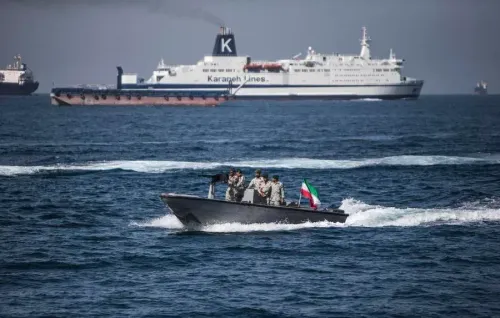
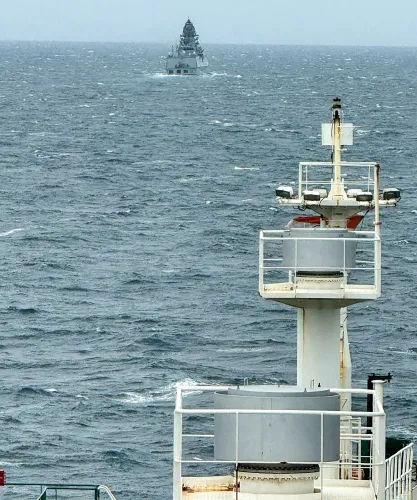
The Strait of Hormuz has been at the epicentre of the US-Iran standoff for months. Disruptions to shipping through the waterway had contributed to significant volatility in global energy prices, with markets on edge over the risk of a prolonged closure. The strait is a critical chokepoint for oil exports from the Persian Gulf, and its effective blockade had drawn alarm from energy-importing nations worldwide, including India.
What Comes Next
While the ceasefire and Hormuz reopening are immediate measures, the agreement also envisions a framework for longer-term negotiations to resolve the underlying conflict. The United Nations has signalled its readiness to facilitate that process. Analysts will watch closely whether the ceasefire holds and whether the broader diplomatic framework translates into a verifiable, lasting settlement — or remains a preliminary accord subject to breakdown.
Point of View
If it holds, would be among the most consequential diplomatic outcomes in the Middle East in years — but the word 'permanent' has a troubled history in this region. The deal's framework for further negotiations is doing a lot of heavy lifting: the structural disputes between Washington and Tehran over nuclear capability, regional proxies, and sanctions have not disappeared. The Strait of Hormuz reopening will offer immediate relief to energy markets, but the durability of this accord depends on whether the follow-on diplomatic process produces binding commitments — or simply buys time. The prominent crediting of Pakistan, Qatar, Egypt, Saudi Arabia, and Türkiye also signals a shift: regional actors, not just Western powers, are now indispensable to any Middle East settlement.
NationPress
20 Sept 2026
Frequently Asked Questions
What is the US-Iran peace deal announced on 15 June?
The deal is an agreement between the United States and Iran that includes an immediate and permanent ceasefire, the reopening of the Strait of Hormuz, the lifting of the US naval blockade, and a framework for further negotiations to resolve the broader conflict.
What did UN Secretary-General António Guterres say about the deal?
Guterres welcomed the announcement, calling it 'a critical step towards the peaceful settlement of the conflict.' He also expressed appreciation for the roles played by Pakistan, Qatar, Egypt, Saudi Arabia, and Türkiye in facilitating the negotiations.
Why is the Strait of Hormuz significant?
The Strait of Hormuz is a critical global chokepoint through which a substantial share of the world's seaborne oil trade passes. Its disruption during the US-Iran conflict had caused significant volatility in global energy prices and raised fears of a wider regional war.
What role did regional countries play in the negotiations?
Pakistan, Qatar, Egypt, Saudi Arabia, and Türkiye, along with other regional nations, were credited by the UN Secretary-General for playing a constructive role in supporting the negotiations that led to the peace deal.
What happens next after the ceasefire announcement?
The agreement includes a framework for further negotiations aimed at a final and comprehensive resolution of the conflict. The United Nations has stated it stands ready to support the parties in achieving a durable peace.