Strait of Hormuz set to reopen as US and Iran lift blockades
Synopsis
The Strait of Hormuz — through which 20% of the world's oil and gas flows — is on the verge of reopening after the US and Iran announced they were lifting their respective blockades. But with Iran proposing a new ship-corridor mechanism it controls, and Trump calling any deal a 'big assumption', the standoff may not be over yet.
Key Takeaways
The Strait of Hormuz appeared set to reopen on 6 May after both the US and Iran announced lifting of blockades.
Iran's IRGC said it would allow ships to pass, claiming US threats had been "neutralised." Trump warned on Truth Social of resumed bombing "at a much higher level" if Iran did not comply, while hinting a deal may have been reached.
Iran blocked the Strait on 28 February ; the US imposed its own blockade of Iranian ports on 13 April .
China urged a "comprehensive cessation of hostilities", with Trump's Beijing summit with Xi Jinping less than a week away.
Iran is reportedly introducing a new corridor mechanism requiring ships to seek permission from the Persian Gulf Strait Authority .
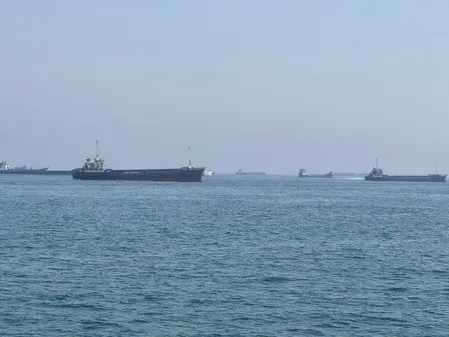
The Strait of Hormuz appeared on Wednesday, 6 May to be on the verge of reopening after both the United States and Iran announced they were lifting blockades on the waterway through which approximately 20 per cent of global oil and gas supply passes. The development follows weeks of escalating military and economic pressure that has rattled global energy markets.
Key Developments
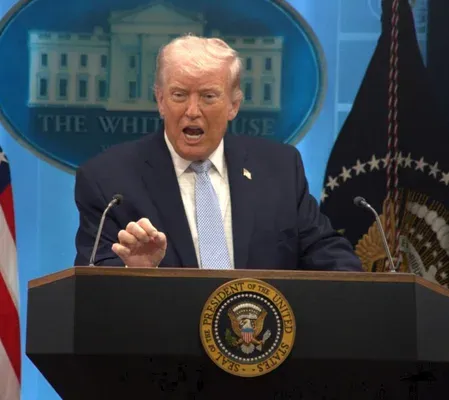
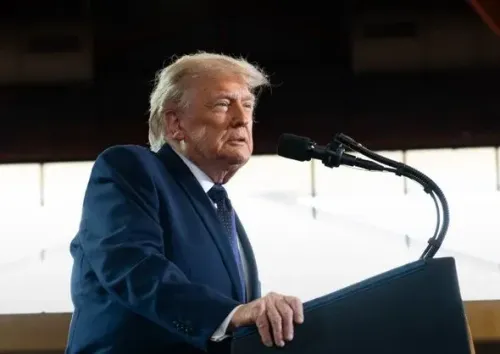
US President Donald Trump said on Tuesday evening that he was pausing the US blockade to allow space for a potential agreement with Iran. Hours later, Iran's Islamic Revolutionary Guard Corps (IRGC) announced it would allow ships to pass through the Strait, claiming that US threats had been "neutralised."
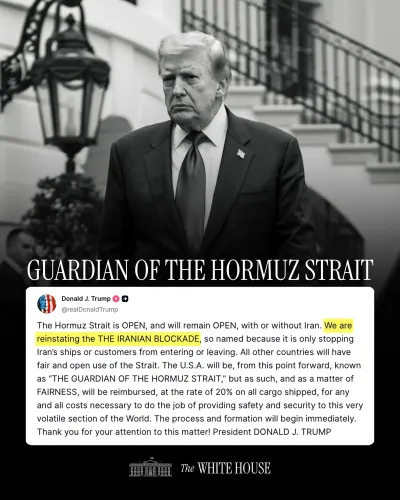
Trump, however, also warned on Wednesday morning that he would resume bombing at "a much higher level and intensity than it was before" if Iran did not lift its blockade. In a post on Truth Social, Trump wrote that "assuming Iran agrees to give what has been agreed to, which is, perhaps, a big assumption", the Strait would be open to all, including Iran, and Operation Epic Fury would end.
Iran's Position and New Corridor Mechanism
Iranian Foreign Ministry Spokesperson Esmail Baghaei was quoted by ISNA news agency shortly after Trump's post as saying that the latest US proposals were under consideration and Iran would be "finalising its considerations" before conveying its response. Iranian state broadcaster PressTV reported that the IRGC said it was opening the Strait "now that threats from the US and the Israeli regime against Iran are subsiding."
PressTV, citing unnamed sources, also reported that Iran was "introducing a new mechanism allowing ships to pass through designated corridors in the Strait of Hormuz." Under the scheme, ships would reportedly email the Persian Gulf Strait Authority, which would grant permission and designate the route. The arrangement could prove contentious — the US may not accept that level of Iranian control over the waterway, even though Trump had reportedly once offered to share control of it with Iran.
Background: How the Blockades Began
Iran blocked the Strait on 28 February after Israel and the US launched a bombing campaign against it. The US subsequently imposed its own blockade of Iranian ports on 13 April after negotiations between the two sides collapsed. Trump has since claimed that Iran's navy and air force have been "decimated" by US strikes, though Iran has continued to fire missiles at US ships and at the United Arab Emirates and Oman in recent days — attacks on neighbours that threatened to raise tensions further.
China's Role and Diplomatic Pressure
China has emerged as a significant diplomatic actor in the standoff. Iranian Foreign Minister Abbas Araghchi and Chinese Foreign Minister Wang Yi met in Beijing on Wednesday, with China conveying its support for a negotiated settlement. China's state news agency Xinhua reported that President Xi Jinping told Araghchi that "sticking to negotiations is particularly important" and that China was for a "comprehensive cessation of hostilities" without delay.
Trump's trip to Beijing for a summit with Xi Jinping is reportedly barely a week away, adding further urgency to resolving the crisis before that meeting.
Domestic Pressure on Trump
Trump is also facing significant domestic pressure to end the conflict, driven by a sharp rise in petrol and diesel prices that has cascaded into broader consumer price increases. With midterm elections for control of Congress looming in approximately six months, the economic fallout from the prolonged Hormuz standoff has become a political liability. Iran's own capacity to sustain the conflict is also described as tenuous, with its military significantly degraded, according to US claims.
Whether the announced reopening holds will depend on whether a formal agreement is finalised — a process that, by Trump's own admission, remains uncertain.
Point of View
And Iran's proposed corridor mechanism — requiring ships to seek IRGC-linked authority permission — is precisely the kind of control arrangement Washington is unlikely to accept quietly. The deeper problem is structural: both sides have domestic audiences to play to, and a durable agreement requires trust that neither side has demonstrated. China's diplomatic intervention is notable but self-interested — Beijing needs the oil lanes open as much as anyone. The midterm clock ticking for Trump and Iran's degraded but still-active missile capability make this a ceasefire of convenience, not a resolution.
NationPress
25 Sept 2026
Frequently Asked Questions
Why is the Strait of Hormuz so important?
The Strait of Hormuz is the world's most critical oil chokepoint, through which approximately 20 per cent of global oil and gas supply passes. Any blockade of the waterway directly impacts global energy prices and supply chains.
Why did Iran block the Strait of Hormuz?
Iran blocked the Strait on 28 February after Israel and the US launched a bombing campaign against it. The US subsequently imposed its own blockade of Iranian ports on 13 April after negotiations between the two sides broke down.
What is Operation Epic Fury?
Operation Epic Fury is the name of the US military campaign referenced by President Trump in his Truth Social post. Trump indicated the operation would end if Iran agrees to the terms of a deal, though he described that outcome as 'perhaps, a big assumption'.
What role is China playing in the US-Iran standoff?
China has urged a negotiated settlement, with President Xi Jinping telling Iranian Foreign Minister Abbas Araghchi that 'sticking to negotiations is particularly important'. Trump's upcoming Beijing summit with Xi adds diplomatic urgency to resolving the crisis.
What is Iran's new corridor mechanism for the Strait?
According to PressTV, citing unnamed sources, Iran is introducing a mechanism requiring ships to email the Persian Gulf Strait Authority for permission and a designated route before passing through the Strait. The US has not yet formally responded to this arrangement.