CM Bhajan Lal Wishes Uttarakhand on 26th Foundation Day
Synopsis
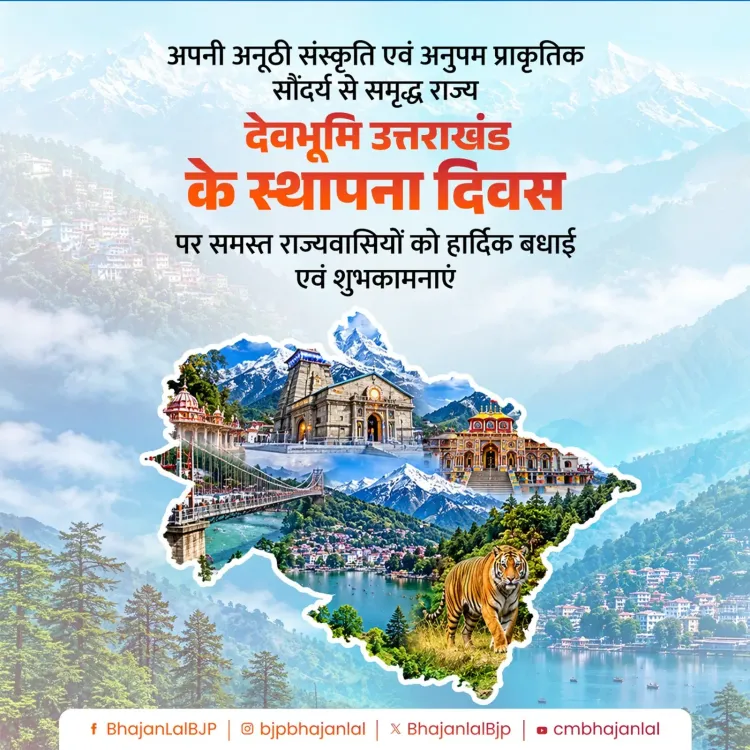
Rajasthan Chief Minister Bhajan Lal Sharma marked Uttarakhand's 26th Foundation Day on 9 November by extending greetings to the state's residents and invoking the blessings of Kedarnath and Badrinath for the state's continued progress and prosperity.
Key Takeaways
Rajasthan CM Bhajan Lal Sharma greeted Uttarakhand on its Foundation Day, 9 November 2026 .
Uttarakhand was formed on 9 November 2000 when it was carved out of Uttar Pradesh under the Uttar Pradesh Reorganisation Act .
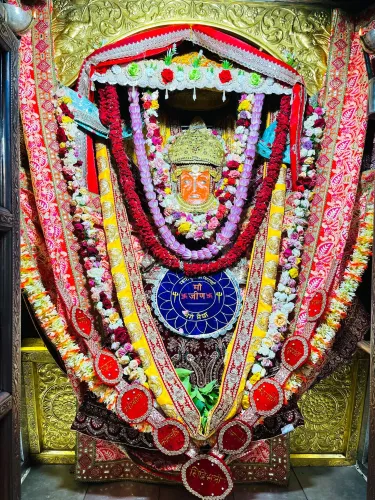
Sharma invoked the blessings of Kedarnath (Jyotirlinga, Shiva) and Badrinath (Char Dham, Vishnu) in his message.
He described Uttarakhand as Devbhoomi — the Land of the Gods — and prayed for its progress, prosperity, and happiness.
The gesture reflects the broader practice among Indian state chief ministers of publicly acknowledging other states' formation anniversaries.
Twenty-six years after a new state was carved from the hills of Uttar Pradesh, Rajasthan Chief Minister Bhajan Lal Sharma extended warm greetings to the people of Uttarakhand on its Foundation Day, 9 November 2026 — invoking the blessings of its most sacred shrines and saluting the state's journey of progress.
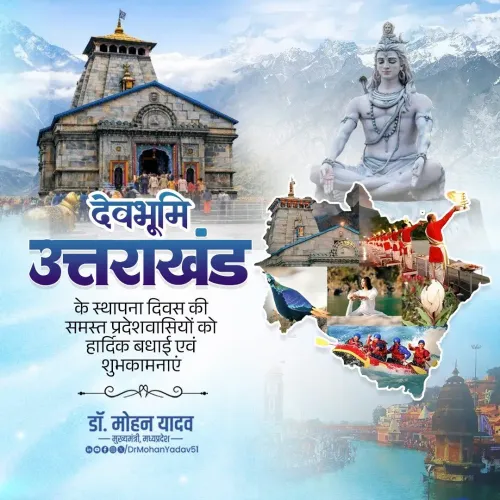
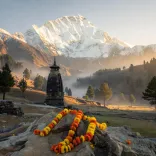
Sharma's message, posted in Hindi, described Uttarakhand as 'Devbhoomi' — the Land of the Gods — 'adorned with its unique culture, rich heritage, and unparalleled natural beauty.' He prayed that, by the grace of Baba Kedar and Badri Vishal, the sacred land would 'continuously set new benchmarks on the path of progress, prosperity, and happiness.'
Devbhoomi at 26: A State Born from the Mountains
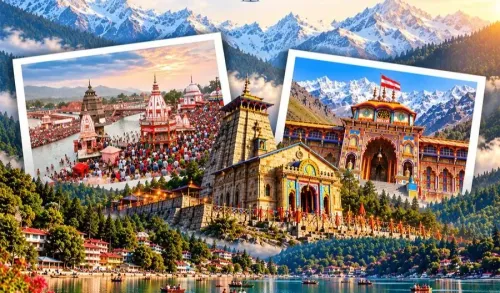
Uttarakhand was formed on 9 November 2000 when it was carved out of Uttar Pradesh under the Uttar Pradesh Reorganisation Act, becoming India's 27th state. The day marks a milestone for a region whose identity is inseparable from two of Hinduism's most revered pilgrimage destinations — Kedarnath, one of the twelve Jyotirlinga temples dedicated to Shiva nestled deep in the Garhwal Himalayas, and Badrinath, a Vaishnava shrine to Vishnu forming a cornerstone of the Char Dham circuit.
Sharma's specific invocation of these two shrines is deliberate. For Uttarakhand, they are not merely religious landmarks — they are economic engines, drawing millions of pilgrims each year and anchoring the state's tourism-led development model. To reference them in a Foundation Day greeting is to acknowledge the whole of what 'Devbhoomi' means to its residents.
A Federal Courtesy With Cultural Weight
Indian state chief ministers routinely exchange greetings on formation anniversaries, a practice that reinforces federal solidarity across party and geographic lines. That Sharma — a BJP leader heading a desert state — reaches northward to the Himalayan heartland underlines the shared cultural vocabulary that BJP leaders in particular often draw on when celebrating India's religious geography. The message carries no policy ask, no bilateral agenda — just the warmth of one chief minister to another state's citizens, framed through faith and pride.
As Uttarakhand marks a quarter-century-plus of statehood, its journey from a demand-driven political movement to a functioning mountain economy remains a story still being written. Sharma's prayer — that the state 'continuously set new benchmarks' — is less a political statement than a reflection of what every Devbhoomi resident already hopes for.
Point of View
Culturally resonant, and built around Uttarakhand's sacred identity rather than any bilateral policy agenda. By anchoring his greetings in Kedarnath and Badrinath, Sharma taps a shared religious vocabulary that BJP leaders across states deploy to signal cultural solidarity with Himalayan India. It is a low-stakes gesture, but it reinforces the party's consistent positioning as the custodian of India's pilgrimage heritage. For Uttarakhand, now 26 years old, such national visibility — however ceremonial — feeds the state's ongoing effort to brand itself as Devbhoomi to the world.
NationPress
9 Nov 2026
Frequently Asked Questions
When was Uttarakhand formed as a separate state?
Uttarakhand was formed on 9 November 2000 , when it was carved out of Uttar Pradesh under the Uttar Pradesh Reorganisation Act, becoming India's 27th state.
Why is Uttarakhand called Devbhoomi?
Uttarakhand is called Devbhoomi — meaning 'Land of the Gods' — because of its exceptional concentration of Hindu pilgrimage sites, including Kedarnath , Badrinath , Gangotri, and Yamunotri, which form the sacred Char Dham circuit.
Who is Bhajan Lal Sharma?
Bhajan Lal Sharma is the Chief Minister of Rajasthan and a BJP leader who took office in December 2023 following the state assembly elections.
What are Kedarnath and Badrinath?
Kedarnath is one of the twelve Jyotirlinga temples dedicated to Shiva, located in the Garhwal Himalayas of Uttarakhand. Badrinath is a prominent Vaishnava temple dedicated to Vishnu and forms part of the Char Dham pilgrimage circuit.
What did Bhajan Lal Sharma say on Uttarakhand Foundation Day 2026?
CM Sharma extended heartfelt greetings to Uttarakhand's residents, describing the state as Devbhoomi adorned with unique culture, rich heritage, and natural beauty. He prayed that, by the blessings of Baba Kedar and Badri Vishal, the state would continue to set new benchmarks on the path of progress and prosperity.