US-Iran accord: G7, world leaders hail Strait of Hormuz deal
Synopsis
The US and Iran have signed a Memorandum of Understanding that commits Tehran to never obtaining a nuclear weapon, reopens the Strait of Hormuz, and sets up a diplomatic framework — drawing near-universal praise from G7 leaders, the UN, and Republican lawmakers. If it holds, this is the most consequential Middle East diplomatic development in years.
Key Takeaways
The United States and Iran signed a Memorandum of Understanding on 20 June , brokered with mediation from Pakistan , Qatar , and others.
The accord commits Iran to never obtaining a nuclear weapon , reopens the Strait of Hormuz , and provides for an immediate and permanent ceasefire .
G7 leaders issued a joint statement calling it 'an historic opportunity' and pledged support for implementation.
The UN described it as 'a critical step towards the peaceful settlement of the conflict.' Senior Republican senators and House members broadly welcomed the deal, with Rand Paul , Lindsey Graham , and John Barrasso among those backing it.
European Commission President Ursula von der Leyen noted oil prices were already falling in response to the news.
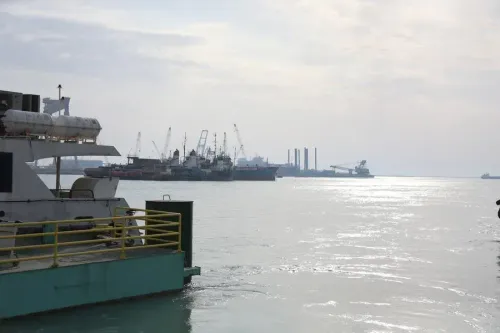
World leaders and senior US lawmakers on 20 June broadly welcomed a Memorandum of Understanding signed between the United States and Iran, with supporters calling it a breakthrough that could reopen the Strait of Hormuz, ease regional tensions, and advance negotiations over Tehran's nuclear programme.
What the Memorandum Covers
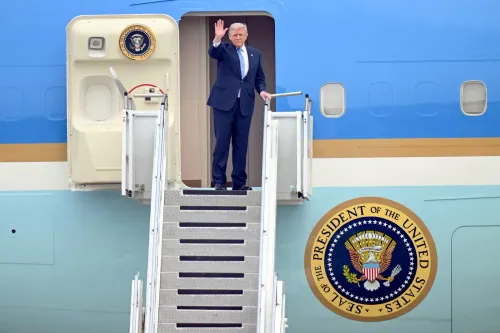
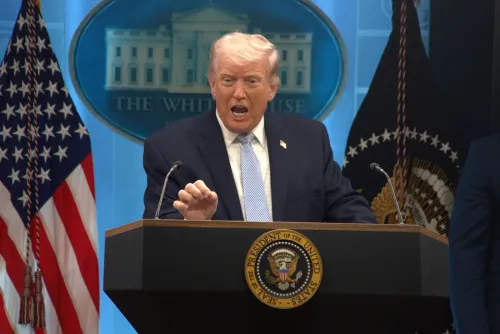
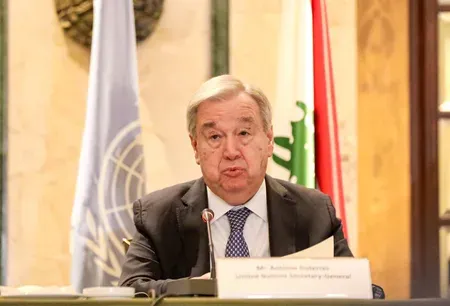
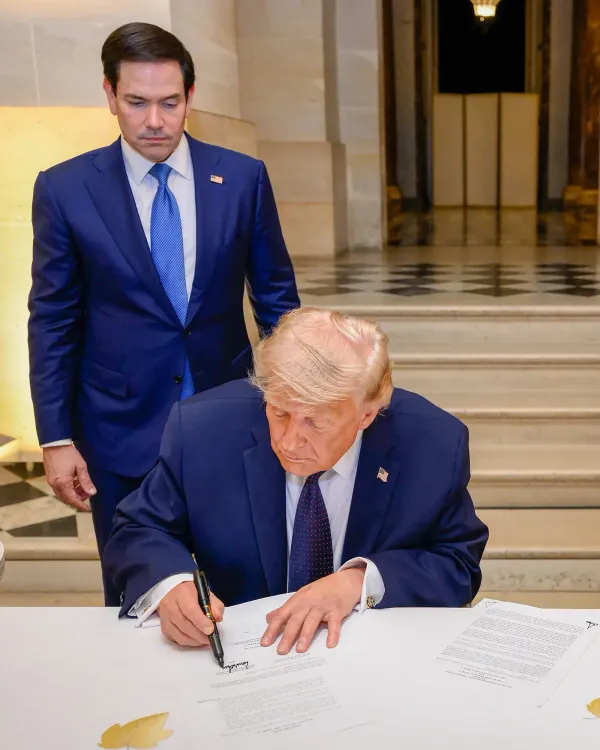
The White House said President Donald Trump and Vice President JD Vance had secured the agreement, which commits Iran to never obtaining a nuclear weapon, reopens the Strait of Hormuz to free navigation, and establishes a framework for future diplomacy. The accord also provides for an immediate and permanent ceasefire, according to a statement from UN Secretary-General António Guterres' spokesman, who described it as 'a critical step towards the peaceful settlement of the conflict.'
G7 and European Response
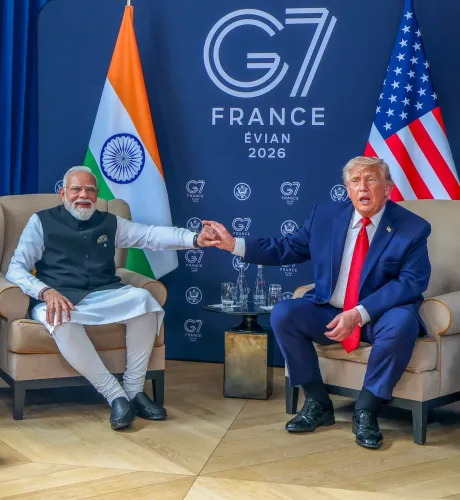
A joint statement from G7 leaders welcomed what they called 'the breakthrough and the opportunity that currently exist in the Middle East', describing the agreement as 'an historic opportunity to prevent Iran from acquiring any nuclear weapon and tackling the threats related to its regional and ballistic activities.' The leaders said they stood ready to support its implementation.
British Prime Minister Keir Starmer called the accord 'a hugely important step forward in ending the war, ensuring regional stability and re-opening the Strait of Hormuz', congratulating Trump and mediators from Pakistan, Qatar, and other countries involved. European Commission President Ursula von der Leyen said the agreement should mean 'a definitive end to Iran's nuclear programme', adding: 'The Strait will reopen. Oil prices are falling. And that's how diplomacy delivers.'
French President Emmanuel Macron said the agreement 'paves the way for lasting peace and allows the reopening of the Strait of Hormuz', while German Chancellor Friedrich Merz called it 'an opportunity — for the stability of the region and for the global economy.' Japanese Prime Minister Sanae Takaichi welcomed the cessation of hostilities and stressed that 'free and safe navigation in the Strait of Hormuz be promptly resumed', expressing hope that future talks would lead to a final settlement of Iran's nuclear issue.
Regional Voices
Qatar's Ministry of Foreign Affairs welcomed the signing, saying it reflected both sides' commitment to resolving differences through negotiation and peaceful means while promoting regional stability and economic growth. Switzerland described the memorandum as 'an important step toward de-escalation in the region.' Notably, Qatar and Pakistan were among the key mediators credited with facilitating the agreement.
US Congressional Reaction
Republican lawmakers broadly backed the accord. Senate Republican Conference Chairman John Barrasso said Trump had brought Iran to the table 'from a position of American strength.' Senator Lindsey Graham called the signing 'an essential step' that could help create 'a pathway to peace well beyond the Iranian conflict.' Senator Rand Paul stated: 'This war must end. I stand with President Trump on peace.'
In the House of Representatives, Representative Robert Aderholt said the deal would reopen the Strait and require Iran to abandon its nuclear programme, while Representative Andy Harris described it as 'a remarkable day for America and the world.' The accord now moves toward implementation, with the framework for further negotiations expected to take shape in the coming weeks.
Point of View
Enforceable nuclear agreement is where every previous Iran deal has either succeeded or unravelled. The Strait of Hormuz dimension adds economic urgency: falling oil prices on the news are a market vote of confidence, but markets have been wrong on Middle East diplomacy before. The real test will be whether the 'framework for future negotiations' produces binding commitments on enrichment limits and inspection access — the hard specifics that past accords have struggled to lock in.
NationPress
18 Sept 2026
Frequently Asked Questions
What did the US-Iran Memorandum of Understanding signed on 20 June cover?
The memorandum commits Iran to never obtaining a nuclear weapon, provides for an immediate and permanent ceasefire, reopens the Strait of Hormuz to free navigation, and establishes a framework for future diplomatic negotiations. It was secured by President Donald Trump and Vice President JD Vance, with mediation from Pakistan, Qatar, and other countries.
Why is the reopening of the Strait of Hormuz significant?
The Strait of Hormuz is one of the world's most critical oil shipping lanes, through which a significant share of global crude exports passes. Its closure or disruption directly affects global oil prices and energy security. European Commission President Ursula von der Leyen noted that oil prices were already falling following the announcement.
How did G7 leaders respond to the US-Iran accord?
G7 leaders issued a joint statement calling the agreement 'an historic opportunity to prevent Iran from acquiring any nuclear weapon' and pledged readiness to support its implementation. Individual leaders including British PM Keir Starmer, French President Emmanuel Macron, and German Chancellor Friedrich Merz also issued welcoming statements.
What was the United Nations' position on the memorandum?
A spokesman for UN Secretary-General António Guterres welcomed the development, describing the agreement as 'a critical step towards the peaceful settlement of the conflict', citing its provisions for a permanent ceasefire, Hormuz reopening, and a negotiation framework.
How did US Republican lawmakers react to the Iran deal?
Republican senators and House members broadly backed the accord. Senate Republican Conference Chairman John Barrasso credited Trump with negotiating from 'a position of American strength', Senator Lindsey Graham called it 'an essential step', and Senator Rand Paul expressed support for ending the conflict. House members Robert Aderholt and Andy Harris also praised the agreement.