Trump hails Iran nuclear deal as historic win after G7 in France
Synopsis
At the G7 in France, Trump declared the Iran memorandum of understanding his defining foreign policy win — claiming it stopped a wider Gulf war, reopened the Strait of Hormuz, and locked Tehran out of nuclear weapons. Signed at Versailles, the deal is built not on a formal treaty but on the threat of resumed bombing, a high-stakes bet that could reshape Middle East diplomacy — or unravel quickly.
Key Takeaways
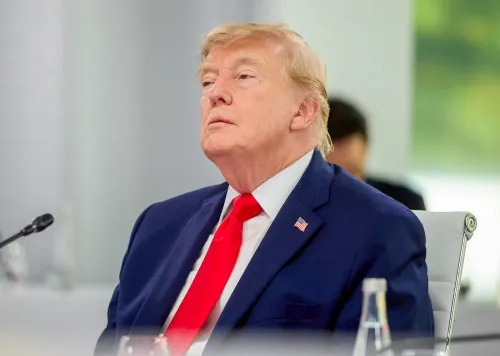
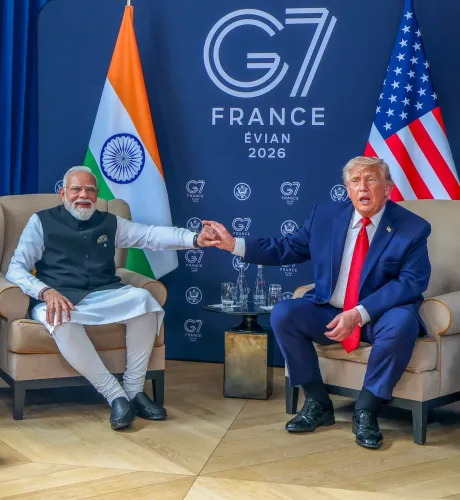
US President Donald Trump defended the Iran nuclear agreement at the G7 summit in Évian, France on 18 June 2025 .
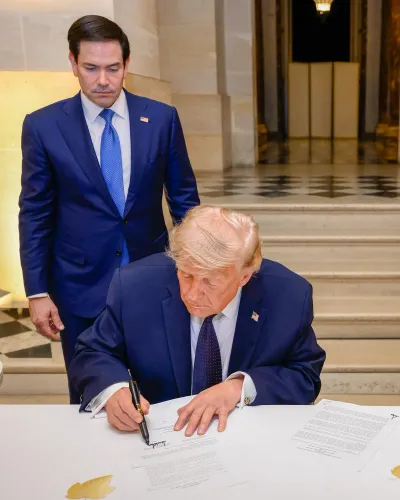
The accord — a memorandum of understanding — was signed at the Palace of Versailles following a dinner hosted by French President Emmanuel Macron .
Iran has agreed it will neither produce nor procure a nuclear weapon , and the Strait of Hormuz has been reopened.
Trump warned that non-compliance would trigger resumed US military strikes ; no formal verification mechanism has been announced.
The New York Times and Washington Post described it as one of the most consequential foreign policy moves of Trump's second term.
Trump said he hopes the deal becomes 'the beginning of a much larger deal all across the Middle East.'
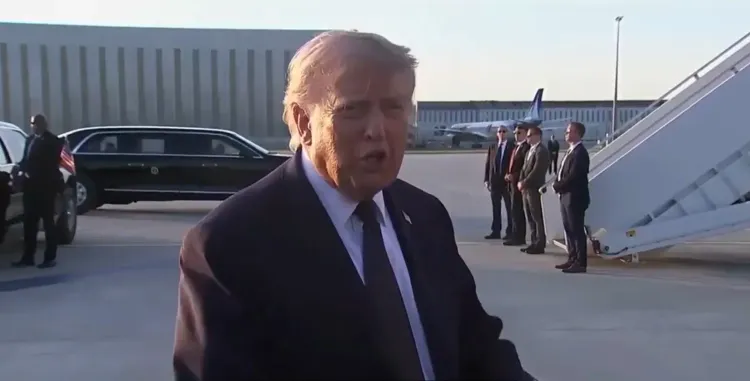
US President Donald Trump on Wednesday, 18 June mounted an aggressive defence of his landmark Iran agreement at the G7 summit in Évian, France, calling it a historic diplomatic breakthrough that halted a wider Middle East war, reopened the Strait of Hormuz, and permanently barred Tehran from acquiring a nuclear weapon. The accord, formalised as a memorandum of understanding, was signed later that evening at the Palace of Versailles following a dinner hosted by French President Emmanuel Macron.
Trump's Case for the Agreement
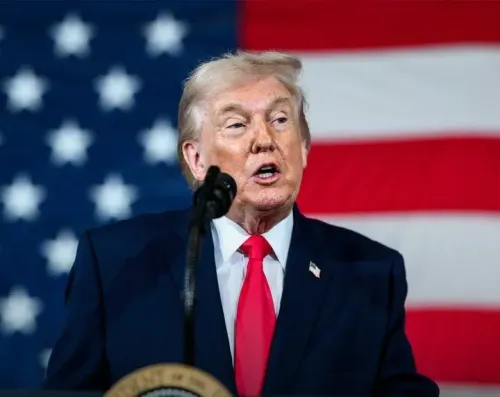
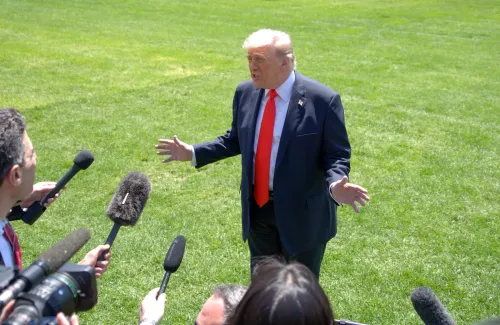
Speaking at a lengthy post-summit news conference, Trump framed the deal as the product of an unusual combination of military force and diplomacy. 'On Sunday, we reached an agreement with Iran that achieves everything we set out to accomplish — everything and much more,' he said. He cited three core objectives: ending the immediate conflict, restoring navigation through the Strait of Hormuz, and blocking Iran's nuclear ambitions.
Trump argued that continuing military operations would have achieved none of these goals. 'If we didn't do this deal, we could have dropped more bombs for another three weeks, two weeks, four weeks, two years,' he said. 'You would never have the Hormuz Strait open.'
Nuclear Commitments and Enforcement Threat
The president said the memorandum includes an explicit Iranian commitment on weapons. 'Iran has agreed that they will neither produce nor procure a nuclear weapon,' Trump said, adding a blunt warning: 'If they don't honour the agreement … we'll probably go back to bombing them until they honour it.'
Analysts note that the administration is reportedly betting that the credible threat of renewed military action will enforce the accord without requiring a formal treaty structure — a significant departure from the multilateral verification architecture of the 2015 JCPOA, which Trump himself abandoned during his first term.
Economic Signals and Market Response
Trump repeatedly linked the agreement to positive movements in global financial markets and falling oil prices. 'Every time we talked about the possibility of peace, the stock market shot up like a rocket ship,' he said. On economic relief for Iran, Trump indicated conditionality: 'If they're doing things right, if people want to invest, they can invest. But we're not putting up money.'
The Wall Street Journal noted that reopening the Strait of Hormuz — a chokepoint for roughly 20% of global oil trade — could deliver significant economic benefits well beyond the Middle East.
Political Pushback and Media Assessment
Trump dismissed criticism from conservatives who had pressed for sustained military pressure, pointing to his 2020 decision to order the killing of Iranian military commander Qassem Soleimani and to recent strikes on Iranian military and nuclear facilities as proof of his resolve. 'Nobody was tougher than me,' he said.
The New York Times, in an analysis of the agreement, described it as a significant shift from weeks of military confrontation toward a framework built on deterrence and negotiated compliance. The Washington Post called it one of the most consequential foreign policy moves of Trump's second term, characterising the White House's argument as a claim that military pressure can produce diplomatic outcomes.
What Comes Next
Trump acknowledged that the memorandum is a starting point, not a final settlement. 'This is a memorandum of understanding. It's very important,' he said, adding that he hoped the accord would become 'the beginning of a much larger deal all across the Middle East.' Broader negotiations are expected to continue, with the scope and verification mechanisms of any permanent agreement still to be defined. World leaders at the G7 will be watching whether the enforcement threat Trump described proves sufficient to hold Tehran to its commitments.
Point of View
Given that the 2015 deal — which also rested on compliance incentives — collapsed the moment a US administration withdrew. The absence of a formal treaty structure and independent verification mechanism means enforcement is entirely discretionary, leaving the accord's durability hostage to political continuity in Washington. Crucially, the same administration that exited the JCPOA is now asking the world to trust a looser framework. Whether allies and markets price that risk correctly will determine how long the Hormuz dividend lasts.
NationPress
22 Sept 2026
Frequently Asked Questions
What is the Iran deal that Trump announced at the G7?
It is a memorandum of understanding reached on Sunday, 15 June, under which Iran has agreed not to produce or procure a nuclear weapon, and in which the Strait of Hormuz has been reopened. The accord was formally signed at the Palace of Versailles on 18 June 2025 following a dinner hosted by French President Emmanuel Macron. Broader negotiations on a permanent settlement are set to continue.
Why does the Strait of Hormuz matter in this agreement?
The Strait of Hormuz is a critical chokepoint for roughly 20% of global oil trade; its closure during the preceding conflict had disrupted energy markets worldwide. Reopening it was one of Trump's three stated objectives for the deal, alongside ending the immediate conflict and blocking Iran's nuclear ambitions.
How will the Iran memorandum be enforced without a formal treaty?
According to analysis cited from the New York Times, the administration is betting that the credible threat of renewed US military action will enforce compliance without requiring a formal treaty structure or multilateral verification. Trump himself warned that non-compliance would likely result in resumed strikes.
What did Trump say about economic relief for Iran?
Trump indicated that economic relief would be conditional on Iranian behaviour, saying private investment could flow if Iran acts appropriately, but that the US government would not provide direct funding. No specific sanctions-relief timeline was announced at the news conference.
How does this deal compare to the 2015 JCPOA?
Unlike the 2015 Joint Comprehensive Plan of Action, which involved multilateral verification by the IAEA and a formal treaty framework, the current agreement is a memorandum of understanding enforced primarily by the threat of US military action. Trump withdrew from the JCPOA during his first term, making the durability of this looser arrangement a central question for analysts and allies.