Indian Railways runs 18,000 special trains for Diwali, Chhath festive rush
Synopsis
Indian Railways has scaled up its festive-season capacity to 18,000 special trains — a 50% jump from last year's record 12,000 — using AI-processed decade-long data to pinpoint the exact peak-rush windows. The busiest moments: Dhanteras and the three days before Chhath Puja, when factory and office workers flood stations after 5 p.m.
Key Takeaways
Indian Railways has deployed 18,000 special trains for the 2026 festive season , covering Diwali, Chhath Puja, and Durga Puja.
This is up from a record 12,000 special trains operated during the festive season last year — a 50% increase .
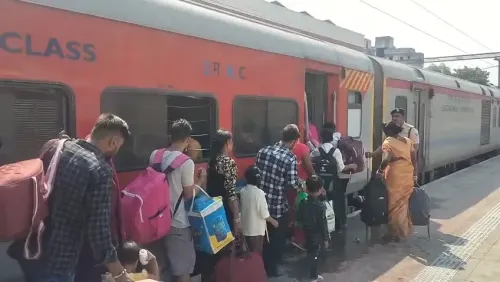
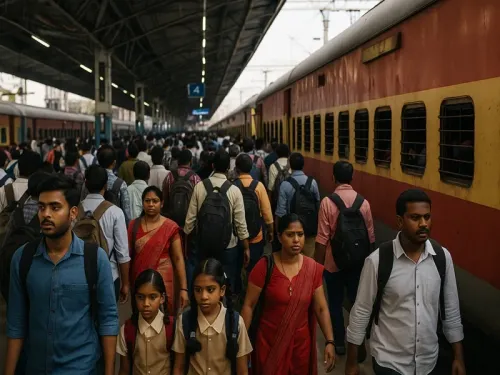
Peak rush identified on Dhanteras and three days before Chhath Puja , with the surge building after 5 p.m.
An AI model analysed 10 years of passenger data (excluding Covid-19 years) to determine train numbers and timings.
A four-tier war room system is active round-the-clock at the Railway Board, Northern Railway zone, DRM offices, and stations, including in Mumbai .
Six train rakes are on standby at the Shakur Basti depot for emergency deployment.
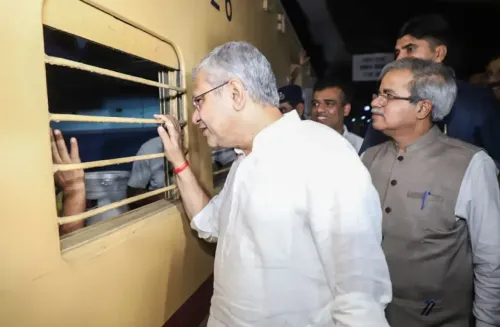
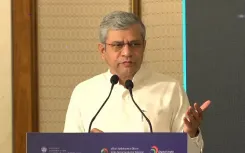
Union Railways Minister Ashwini Vaishnaw on Friday, 6 November 2026, announced that Indian Railways has deployed 18,000 special trains across the festive season — covering Diwali, Chhath Puja, and Durga Puja — after an AI-driven analysis of 10 years of passenger data identified the precise peak-rush windows. The minister said the highest passenger demand is expected on Dhanteras and three days before Chhath Puja, with the evening rush typically building after 5 p.m.
How the deployment was planned
Vaishnaw said a detailed study was conducted using a decade of historical travel data, excluding the Covid-19 period, to pinpoint which stations experience the heaviest originating and destination traffic during the festive period. An AI model was used to process this dataset and determine both the number and timings of special train services. 'The number and timings of special trains have been decided on the basis of this analysis,' the minister said.
The data consistently showed that the rush peaks on Dhanteras — the day before the main Diwali festival — rather than on Diwali itself, and again sharply three days ahead of Chhath Puja. Factory and office workers, who form a large share of the migrant traveller base, typically depart for their home villages after 5 p.m., meaning the surge continues through the night.
War rooms and standby arrangements
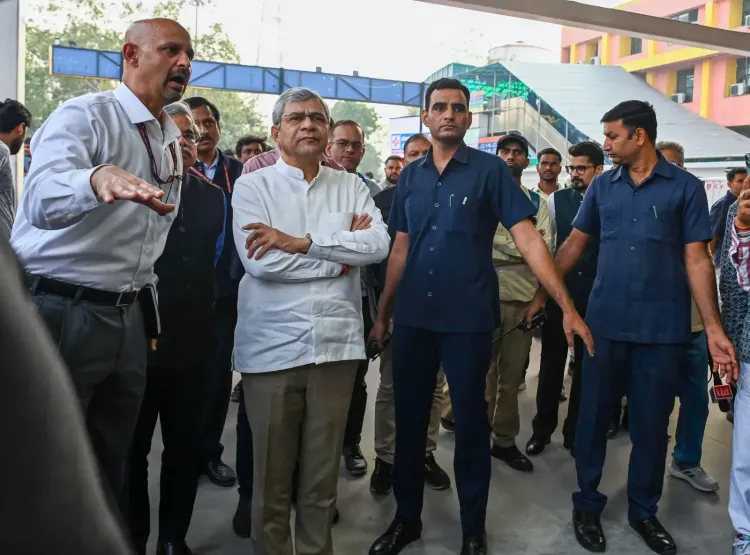
To manage real-time disruptions, Indian Railways has set up a four-tier war room system — operational round-the-clock at the Railway Board, the Northern Railway zone, the Divisional Railway Manager's (DRM) office, and individual railway stations. A similar four-tier arrangement has been established in Mumbai and other major locations. 'Our war rooms are operational round-the-clock at the Railway Board, the Northern Railway zone, the DRM's office and railway stations,' Vaishnaw told reporters.
Additionally, around six train rakes have been kept on standby at the Shakur Basti depot in New Delhi, ready for immediate deployment in emergency situations.
Scale-up from last year
The 18,000 special trains this season represent a significant jump from the record 12,000 special trains operated during last year's festive season. Vaishnaw noted that several of those earlier special services have since been converted into regular scheduled trains, and additional trains have been layered on top. The combined effect means the total festive-season capacity has grown by 50% year-on-year, according to the minister's figures.
What passengers can expect
Travellers heading home for Dhanteras, Diwali, and Chhath Puja — particularly those departing from industrial hubs in Mumbai, Delhi, and other major cities — will see the highest concentration of special services on those identified peak days. The ministry's contingency and standby arrangements are specifically designed to absorb last-minute surges that often accompany the festive travel window. The railway's operational posture will remain heightened through the conclusion of Chhath Puja.
Point of View
000 to 18,000 special trains is notable, but the more significant shift is the methodology behind it — using AI on a decade of data to move from reactive crowd management to predictive deployment. The real accountability test, however, is whether the war-room infrastructure translates into on-ground punctuality and crowd control, or remains a headline arrangement. Festive-season train chaos has been a perennial complaint, and passengers will judge the system not by the number of trains announced but by whether they run on time and with adequate safety margins. The Shakur Basti standby arrangement is a sound contingency signal, but its effectiveness depends on how quickly those rakes can actually be pressed into service when platforms overflow after 5 p.m.
NationPress
6 Nov 2026
Frequently Asked Questions
How many special trains has Indian Railways deployed for the 2026 festive season?
Indian Railways has arranged 18,000 special trains for the festive season covering Diwali, Chhath Puja, and Durga Puja. This is a sharp increase from the record 12,000 special trains run during the festive season last year.
Which days will see the highest train rush during the festive season?
According to Railways Minister Ashwini Vaishnaw, the peak rush is expected on Dhanteras — the day before Diwali — and three days before Chhath Puja . The surge typically begins after 5 p.m. as factory and office workers leave for their home villages.
How did Indian Railways decide on the timing and number of special trains?
Indian Railways used an AI model to analyse 10 years of historical passenger data, excluding the Covid-19 period. The analysis identified which stations have the highest originating and destination demand and at what times, allowing the ministry to calibrate train numbers and schedules accordingly.
What contingency arrangements are in place for the festive rush?
A four-tier war room system is operational round-the-clock at the Railway Board, Northern Railway zone, DRM offices, and stations — including a dedicated arrangement in Mumbai. Additionally, six train rakes are kept on standby at the Shakur Basti depot in New Delhi for emergency deployment.
Why is Dhanteras busier than Diwali itself for train travel?
Vaishnaw explained that workers in factories and offices typically prefer to reach home by Diwali, so they travel on Dhanteras — the day before. This pattern has been consistently observed across years of data, making Dhanteras the single busiest departure day of the festive window.