Vaishnaw Flags Made-in-India Train Propulsion Going Global
Synopsis
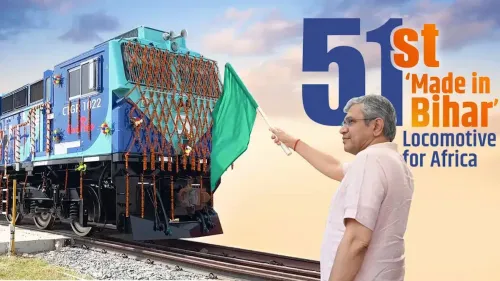
Union Minister Ashwini Vaishnaw on 6 November 2026 declared that Made-in-India train propulsion systems are being taken to world markets, marking a shift from import-dependence to export ambition under the Make in India programme.
Key Takeaways
Union Minister Ashwini Vaishnaw posted on 6 November 2026 about taking Made-in-India train propulsion systems to global markets.
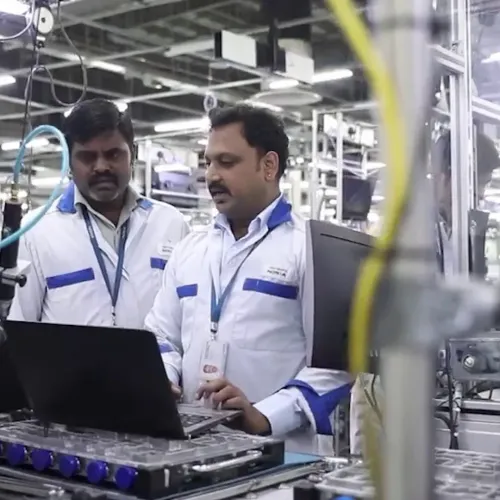
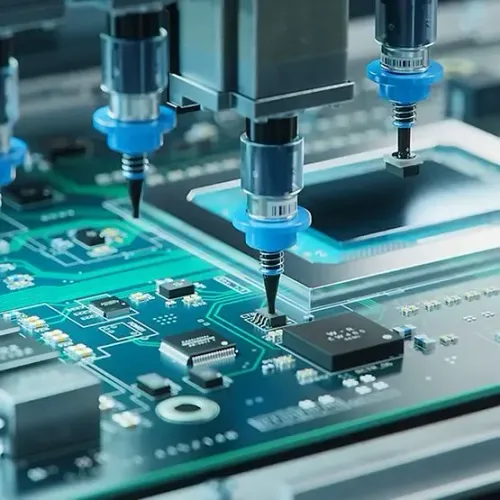
Propulsion systems — traction motors, converters and drive electronics — are among the highest-value components in rail manufacturing.
India's push aligns with the Make in India programme launched in September 2014 , targeting both import substitution and engineering exports.
Indian Railways has historically relied on European and East Asian suppliers for propulsion technology; domestic capability marks a qualitative shift.
An exportable propulsion offering positions India competitively in rail supply chains, particularly across the Global South.
Upcoming export contracts or Railway Budget targets on rolling stock indigenisation are the key developments to watch.
India's railway modernisation story is crossing borders. On Friday, 6 November 2026, Union Minister Ashwini Vaishnaw signalled a significant milestone — Made-in-India train propulsion systems are now being taken to global markets, underscoring the country's growing ambitions as a railway engineering exporter.
Propulsion Systems: The High-Stakes Heart of Any Train
Propulsion systems — the traction motors, converters, and drive electronics that actually move a train — are among the most technically demanding and high-value components in rail manufacturing. For decades, Indian Railways sourced much of this technology from European and East Asian suppliers. Developing domestic capability here is not just an import-substitution win; it is a prerequisite for credible entry into global rail supply chains.
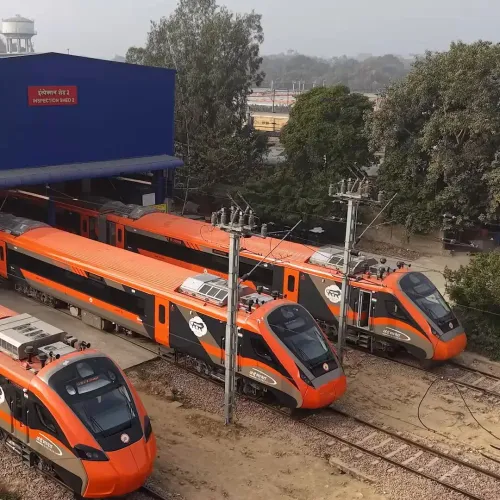
The push sits squarely within the Make in India programme, launched in September 2014, which set out to transform India from a consumer of advanced engineering products into a maker and exporter of them. Railways has been one of the programme's most visible canvases — from indigenised Vande Bharat trainsets to domestically manufactured signalling equipment.
From Self-Reliance to Export Ambition
The strategic logic runs in two directions at once. Building propulsion capability at home reduces the import bill for Indian Railways' own fleet expansion — one of the largest rolling stock procurement programmes in the world. At the same time, it creates a cost-competitive export offering for rail networks across the Global South, where Indian-made equipment can undercut established Western suppliers while meeting international quality benchmarks.
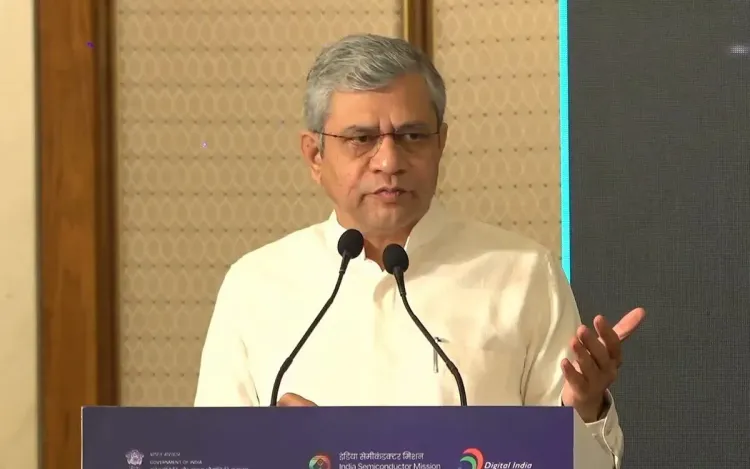
Vaishnaw, who oversees the Railways portfolio directly, has consistently framed indigenisation as inseparable from India's export identity. His post on 6 November 2026 — 'Taking Indian engineering to the world with Made-in-India train propulsion systems' — is characteristically brief and pointed: not a policy announcement, but a confident declaration of direction.
What Makes This Moment Matter
Propulsion is not a commodity segment. The countries and companies that command it command margins, technology licensing fees, and long-term service contracts. India staking a claim here — not just assembling under licence but developing exportable systems — marks a qualitative shift in ambition. The next concrete markers to watch: specific export contracts, technology partnership announcements, or indigenisation targets surfacing through upcoming railway-sector events.
India's rail export story is no longer a future aspiration. The engine is running.
Point of View
So staking a claim here signals that indigenisation policy has moved from optics to substance. For the BJP government, turning a state-owned rail network into a showcase for exportable deep-tech fits neatly into its 'Viksit Bharat' framing ahead of the decade's end. The real test will be whether specific contracts and partnerships follow the declaration.
NationPress
7 Nov 2026
Frequently Asked Questions
What are Made-in-India train propulsion systems?
Train propulsion systems include traction motors, power converters, and drive electronics that move a train. India has been developing these domestically under the Make in India programme to reduce imports and enable exports.
What did Ashwini Vaishnaw say about Indian railways on 6 November 2026?
Union Minister Ashwini Vaishnaw posted that India is 'taking Indian engineering to the world with Made-in-India train propulsion systems', signalling an export push for domestically manufactured railway technology.
What is the Make in India programme's role in railways?
Launched in September 2014, Make in India aims to boost domestic manufacturing and exports across sectors including railways. It has supported indigenisation of rolling stock, components, and high-value systems like propulsion technology.
Why are propulsion systems important for Indian Railways exports?
Propulsion systems are high-value, technically complex components. Exporting them earns higher margins than commodity manufacturing and positions India in long-term service and technology supply chains globally.
Which countries could buy Indian-made train propulsion systems?
Specific recipient countries have not been confirmed. Analysts watching the sector note that rail networks across the Global South are potential markets where Indian-made equipment can be cost-competitive with Western suppliers.