Vaishnaw Highlights 6X Electronics Growth, 99% Mobile Made in India
Synopsis
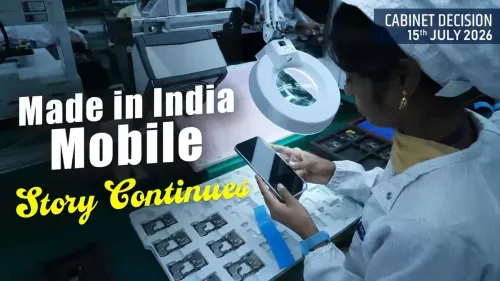
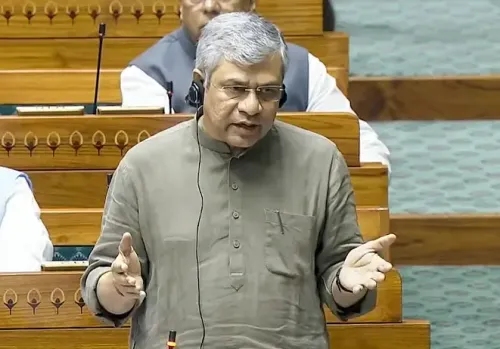
Union Minister Ashwini Vaishnaw has highlighted a 6X growth in India's electronics manufacturing sector, stating that 99 per cent of mobile phones sold in India are now Made in India — a landmark outcome of the Make in India and PLI policy framework launched since 2014.
Key Takeaways
Union Minister Ashwini Vaishnaw posted on June 10, 2026 citing 6X growth in India's electronics manufacturing sector.
99 per cent of all mobile phones sold in India are now claimed to be domestically manufactured.
The Make in India programme, launched in September 2014 , is credited as the policy foundation for this transformation.
The Production Linked Incentive (PLI) scheme for mobile manufacturing, notified in 2020 , provided the financial incentive structure that attracted global manufacturers.
The post is part of a numbered series, suggesting a broader government communication drive on policy achievements.
The India Semiconductor Mission is identified as the next frontier, aiming to build domestic chip fabrication capacity.
Union Minister Ashwini Vaishnaw on Wednesday, June 10, 2026, highlighted India's transformation in electronics manufacturing, citing a 6X growth in the sector and claiming that 99 per cent of all mobile phones sold in India are now domestically produced — a milestone he framed as part of the country's broader Make in India revolution.
Context
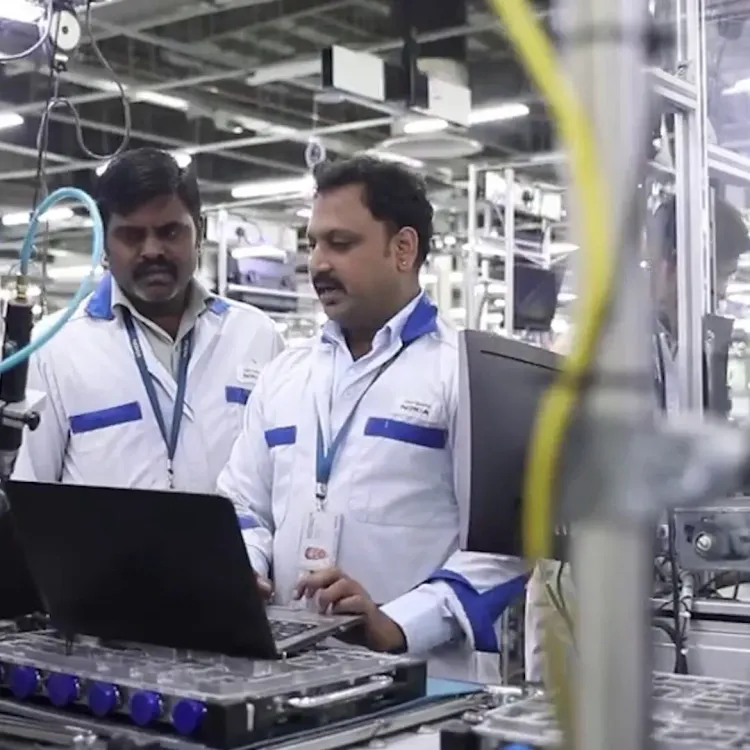
The minister's post, numbered as point 8 in what appears to be a series of achievements, describes India's journey 'from an importer to a global manufacturing powerhouse' in the electronics segment. The post was accompanied by a video, underscoring the scale of the sector's transformation under current policy direction.
The Make in India programme was launched in September 2014 with the explicit goal of reducing import dependence and positioning India as a global manufacturing destination. Electronics — and mobile phones in particular — emerged as one of the programme's most visible success stories.
Policy Backdrop
The growth cited by Vaishnaw is closely linked to the Production Linked Incentive (PLI) scheme for mobile manufacturing, notified in 2020, which offered financial incentives to large-scale electronics producers who met domestic production targets. The scheme attracted major global handset manufacturers to set up or expand assembly operations in India.
India's policy toolkit also included progressive tariff adjustments on imported finished handsets, making domestic production economically attractive for both Indian and multinational firms. This combination of incentives and protective tariffs accelerated the relocation of assembly lines from East Asia to Indian facilities, aligning with the government's Atmanirbhar Bharat self-reliance agenda.
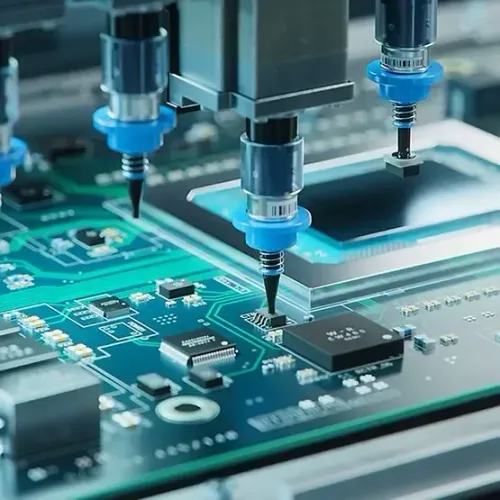
The broader electronics manufacturing push sits within a wider industrial strategy that includes the India Semiconductor Mission, which aims to establish domestic chip fabrication capacity — a critical upstream input for the mobile and consumer electronics industry.
Stakeholders and Impact
The primary beneficiaries of this policy shift include domestic electronics manufacturers, global handset brands with Indian assembly operations, and component suppliers who have built supply chains around the growing local production base. For consumers, the domestic manufacturing push has been accompanied by a wider range of price points and faster availability of new models.
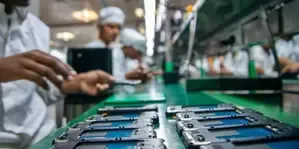
Workers in manufacturing hubs across states such as Uttar Pradesh, Tamil Nadu, Andhra Pradesh, and Karnataka have been direct beneficiaries of the employment generated by expanded factory floors. The government has consistently cited job creation as a core outcome of the PLI-driven manufacturing expansion.
What's Next
Attention will now turn to the release of the next quarterly electronics export figures and PLI disbursement data, which will provide an independent measure of the sector's momentum. Progress on semiconductor fabrication unit approvals under the India Semiconductor Mission is also being closely watched, as domestic chip production would mark the next frontier in reducing India's electronics import bill.
With Vaishnaw framing this as one point in a numbered series of achievements, further posts in the series are expected to cover other sectors and policy milestones, suggesting a coordinated communication push ahead of a significant political or policy milestone.
Point of View
Framing electronics manufacturing as a flagship vindication of the BJP government's decade-long industrial policy. By leading with the 99 per cent domestic mobile production figure, the minister is converting a complex, multi-stakeholder policy outcome into a single, memorable statistic for mass consumption. The numbered format of the post signals a coordinated pre-event messaging campaign — likely timed to a political anniversary, budget cycle, or election-adjacent milestone — designed to build a cumulative narrative of governance delivery. For the opposition, the challenge will be contesting the framing without appearing to dismiss a manufacturing shift that is broadly acknowledged across industry and trade circles.
NationPress
24 Sept 2026
Frequently Asked Questions
What is the Make in India scheme and when was it launched?
Make in India is a flagship national programme launched in September 2014 to encourage domestic manufacturing, attract foreign direct investment, and reduce India's dependence on imports across sectors including electronics.
What does Ashwini Vaishnaw mean by 6X growth in electronics manufacturing?
Union Minister Ashwini Vaishnaw claims India's electronics manufacturing sector has grown six times over a reference period, reflecting the combined impact of the Make in India initiative, PLI incentives, and tariff policy on finished imports.
Are 99 per cent of mobile phones sold in India really made in India?
Vaishnaw has stated that 99 per cent of all mobile phones sold in India are now domestically produced. This figure has not been independently verified from publicly available data and is presented as the minister's official claim.
What is the PLI scheme for mobile phones?
The Production Linked Incentive (PLI) scheme for mobile manufacturing was notified in 2020 and offers financial incentives to large-scale electronics producers who meet specified domestic production thresholds, attracting both Indian and global handset makers.
What is the India Semiconductor Mission?
The India Semiconductor Mission is a government initiative aimed at establishing domestic semiconductor fabrication capacity, which would reduce India's dependence on imported chips — a critical component in mobile phones and other electronics.