Vaishnaw: India now building what goes inside the phone
Synopsis
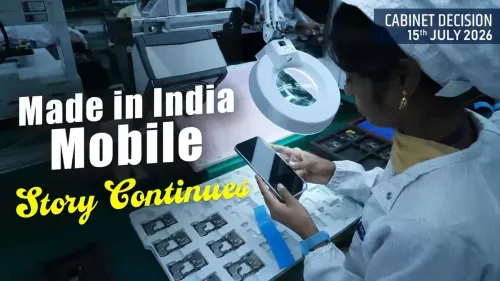
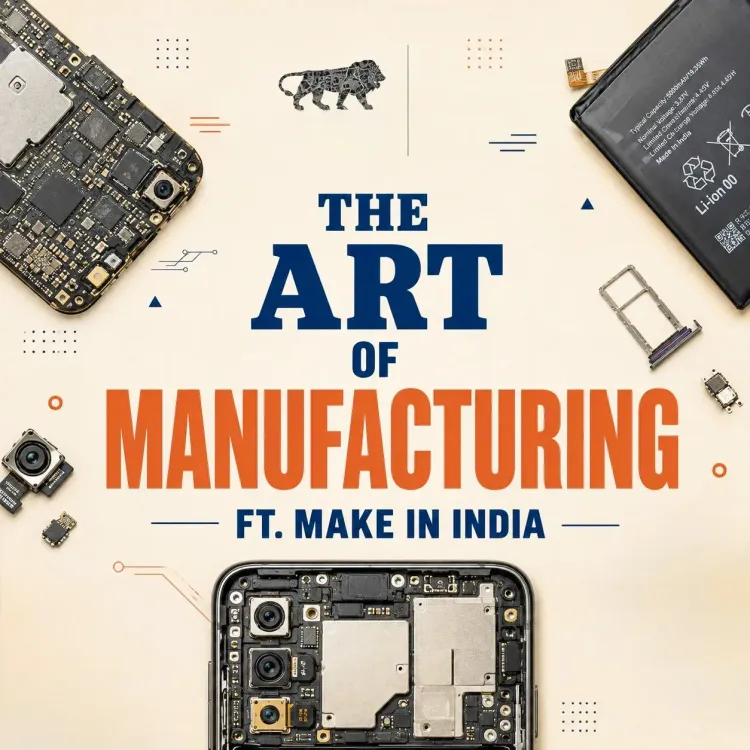
Marking 12 years of Make in India, Union Minister Ashwini Vaishnaw announced a shift in electronics policy focus — from assembling finished smartphones to manufacturing the components inside them, targeting deeper integration into global supply chains.
Key Takeaways
Ashwini Vaishnaw posted on 25 September 2026 , marking 12 years of Make in India , signalling a pivot to component-level electronics manufacturing.
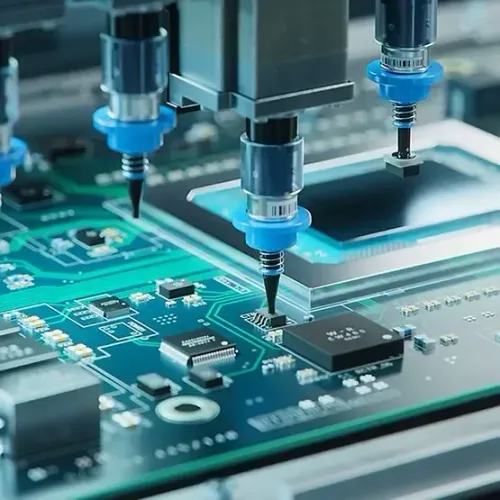
India's policy focus is moving upstream — from final smartphone assembly to producing displays, batteries, circuit boards, and eventually chips.
The PLI scheme (2020) drove India's rise as a major smartphone assembler and exporter; component-specific incentives form the next layer.
Semiconductor fabrication remains the most ambitious and unresolved frontier of India's electronics manufacturing push.
Global supply-chain diversification trends create a limited window for India to attract component manufacturers seeking alternatives to existing hubs.
India spent a decade learning to assemble the smartphone. Now, Union Minister Ashwini Vaishnaw says the country is ready for the harder, more lucrative task — making the components that live inside it. On Friday, 25 September 2026, marking 12 years of Make in India, Vaishnaw opened a thread on X that signals a deliberate pivot in electronics policy: from finished-goods assembly to upstream manufacturing.
From assembling phones to building their DNA
The distinction matters enormously. Final assembly — snapping together imported parts — captures a fraction of a product's value. The real margin, the real jobs, and the real strategic leverage lie in components: the displays, batteries, printed circuit boards, and eventually the chips. That is exactly the supply-chain ladder India is now trying to climb.
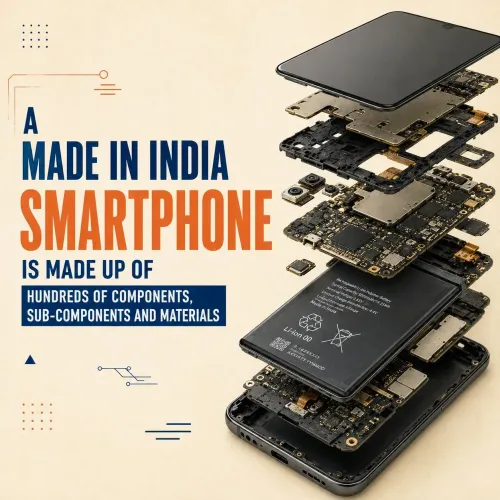
Make in India, launched in September 2014, gave India its first serious manufacturing ambition in electronics. The Production Linked Incentive (PLI) scheme, announced in 2020, turbocharged mobile phone assembly — and India quickly became one of the world's top smartphone exporters. But analysts and policymakers have long flagged the same vulnerability: the phone may say 'Made in India,' yet the camera module, the display panel, and the battery cell are still largely imported.
The component gap India is now targeting
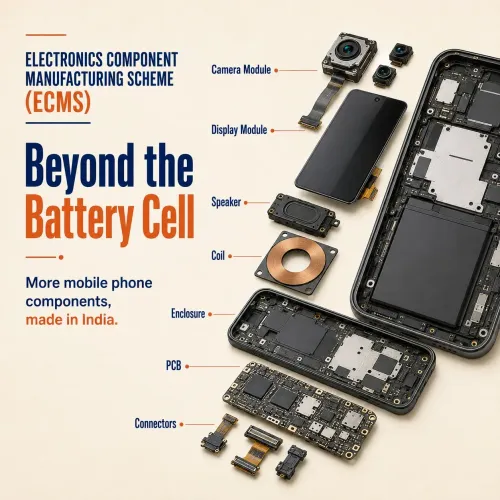
Vaishnaw's post — the opener to a longer thread — frames the next phase as going 'deeper.' The policy groundwork already exists: component-specific PLI extensions were designed precisely to incentivise suppliers to set up local production of displays, enclosures, mechanics, and battery cells. The harder frontier is semiconductors. India's semiconductor fabrication projects are still in early stages, and their progress will be the defining test of how far 'deeper' the country can actually go.
What makes this moment politically significant is the timing. Twelve years in, the government is not celebrating assembly milestones — it is signalling ambition for the next twelve. A minister of Vaishnaw's seniority framing it as a public thread, rather than a press release, is a deliberate communication choice: build the narrative with citizens, not just investors.
Why the global supply-chain moment is now
The global electronics industry is actively diversifying away from single-country concentration. That window will not stay open indefinitely. India's cost base, engineering talent pool, and domestic market size give it a credible pitch to component makers looking for a second home. The question is execution speed — whether land, power, water, and logistics infrastructure can match the policy intent before competitors close the gap.
Every component manufactured locally trims an import bill, adds a skilled job, and deepens India's seat at the global electronics table. Vaishnaw's thread is, at its core, a declaration that the assembly era was only chapter one.
Point of View
' a claim with far higher strategic and economic stakes. The shift reflects a broader BJP governance arc: use PLI-era wins as proof of concept, then stretch ambition toward semiconductor self-reliance. The real test is whether component-level PLI incentives and semiconductor fab timelines can deliver before the global diversification window narrows. How deep India actually goes in the next twelve years will determine whether this marks a genuine inflection point or a well-packaged aspiration.
NationPress
25 Sept 2026
Frequently Asked Questions
What did Ashwini Vaishnaw post about Make in India on 25 September 2026?
Vaishnaw posted that India, having established smartphone assembly, is now moving to manufacture the components inside phones — marking 12 years of the Make in India initiative with a focus on deeper electronics manufacturing.
What is the difference between assembling phones and making phone components?
Assembly involves putting together imported parts, capturing a small share of product value. Component manufacturing — displays, batteries, chips — captures far higher value, creates more skilled jobs, and reduces import dependence.
How has the PLI scheme helped India's electronics sector?
The Production Linked Incentive scheme, launched in 2020, offered financial incentives that helped India become a significant smartphone assembler and exporter. Component-specific PLI extensions are designed to push manufacturing further upstream.
What is Make in India and when was it launched?
Make in India is a national manufacturing initiative launched in September 2014 to position India as a global production hub and reduce import dependence across sectors, including electronics.
What is India's semiconductor manufacturing status?
India's semiconductor fabrication projects are in early stages. Progress on these fabs is considered the critical frontier test of how deeply India can integrate into global electronics supply chains.