Vaishnaw: India Now Makes Cameras, Displays, PCBs Too
Synopsis
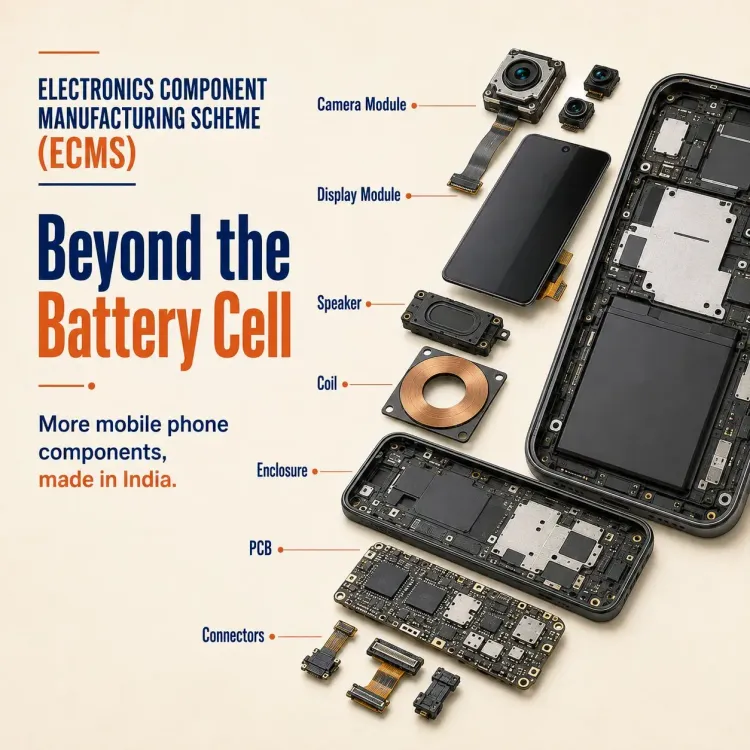
Union Minister Ashwini Vaishnaw says India's domestic electronics production now covers cameras, displays, speakers, coils, enclosures, PCBs, and connectors — signalling a shift from final assembly toward a full component ecosystem backed by PLI incentives.
Key Takeaways
Union Minister Ashwini Vaishnaw posted on 25 September 2026 that India now manufactures cameras, displays, speakers, coils, enclosures, PCBs, and connectors domestically.
The claim is part of a multi-slide thread, appearing as slide 7/ , suggesting a broader data-driven briefing on electronics manufacturing progress.
The Production Linked Incentive (PLI) scheme , launched in 2020 , extended incentives to components such as batteries, displays, and PCBs beyond finished mobile phones.
The Make in India programme, launched in 2014 , set the foundational policy goal of reducing import dependence in electronics.
Displays and camera modules represent among the highest-value components in a smartphone's bill of materials, making their domestic production strategically significant.
The next policy milestone to watch is the PLI review for IT hardware and any fresh investment announcements in component manufacturing clusters.
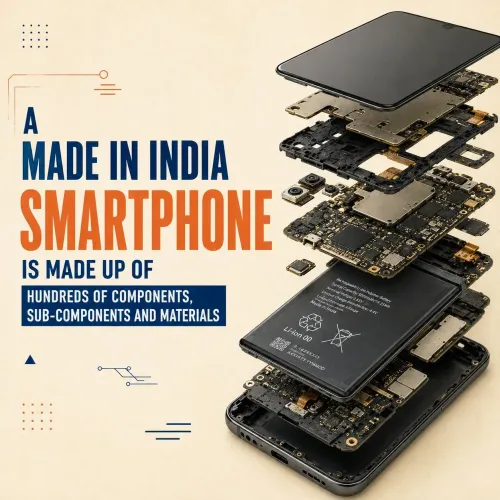
India's electronics manufacturing story is no longer just about assembling handsets — it is about building the parts inside them. In a thread posted on Friday, 25 September 2026, Union Minister Ashwini Vaishnaw highlighted that domestic production has expanded well beyond batteries to cover cameras, displays, speakers, coils, enclosures, PCBs, and connectors.
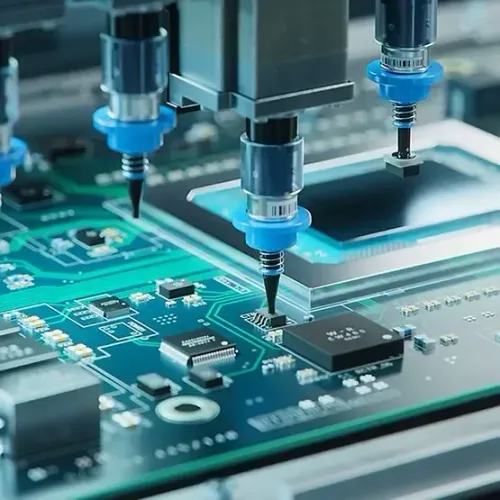
The post, labelled as slide 7/ in a continuing thread, stated: 'And it doesn't stop with batteries. Cameras, displays, speakers, coils, enclosures, PCBs, connectors — more of these are being made in India too.' The message signals a deliberate push to move up the electronics value chain rather than remain a destination purely for final assembly.
From Assembly Line to Component Ecosystem
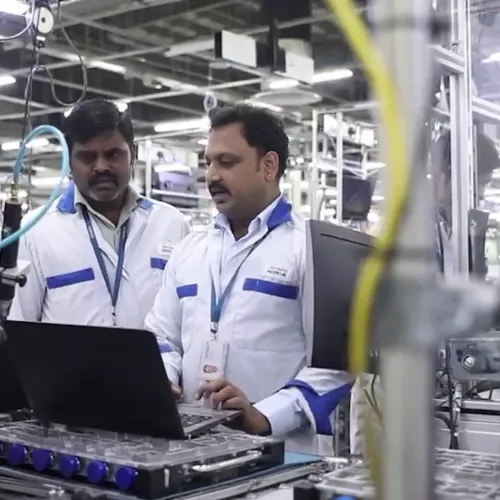
For years, the knock on India's mobile-manufacturing boom was that it was 'screwdriver economics' — finished phones rolled off Indian lines, but virtually every critical part was imported, mostly from East Asia. The components Vaishnaw lists represent exactly the high-value, high-complexity parts that critics pointed to as missing. Displays and camera modules alone account for a significant share of a smartphone's bill of materials; PCBs are the nervous system of every consumer electronic device. The policy architecture behind this shift has two main pillars. The Production Linked Incentive (PLI) scheme, launched in 2020, extended financial incentives not just to finished mobile phones but to IT hardware and, in successive iterations, to components including batteries, displays, and PCBs. The older Make in India programme, announced in 2014, set the directional goal of reducing import dependence in electronics — a goal that is now being pursued component by component.Why the Component Layer Matters
Building a domestic component ecosystem changes the economics of electronics manufacturing fundamentally. It compresses lead times, cushions supply-chain shocks, and — critically — retains a far larger share of value addition inside India. Global supply-chain diversification trends, accelerated by disruptions over the last several years, have given India a strategic opening to attract investment in exactly these mid-stream manufacturing layers. The broader pattern is one of deliberate sequencing: draw global assemblers in first, then use that anchor demand to justify component factories, then deepen the cluster until the supply chain is largely self-reinforcing. India is, by Vaishnaw's account, now in that middle phase — components are arriving. The next test will be whether fresh investment commitments materialise in component manufacturing clusters, and whether the upcoming PLI review for IT hardware extends or deepens incentives for the parts named in the minister's post. The assembly story took a decade to tell; the components chapter is only beginning.Point of View
Data-backed case rather than a single headline suggests the government is building a sustained narrative ahead of potential PLI review decisions. The specific naming of PCBs, displays, and camera modules is politically pointed: these are precisely the components that industrial critics long cited as evidence that India's mobile boom was hollow. If domestic production of these parts can be substantiated at scale, it materially strengthens India's pitch to global OEMs weighing supply-chain diversification. The broader arc — from assembler to component maker — mirrors the path South Korea and Taiwan walked, and the speed at which India traverses it will define the ceiling of its electronics ambitions.
NationPress
25 Sept 2026
Frequently Asked Questions
What components does India now manufacture domestically according to Vaishnaw?
According to Union Minister Ashwini Vaishnaw's post on 25 September 2026, India is now producing cameras, displays, speakers, coils, enclosures, PCBs, connectors, and batteries domestically.
What is the PLI scheme for electronics in India?
The Production Linked Incentive (PLI) scheme for mobile phones and IT hardware was launched in 2020. It offers financial incentives tied to incremental domestic production, covering finished devices as well as components such as batteries, displays, and PCBs.
What is Make in India and how does it relate to electronics?
Make in India was launched in 2014 with the goal of boosting domestic manufacturing and reducing import dependence. In electronics, it set the strategic direction that subsequent PLI schemes operationalised through targeted financial incentives.
Why does domestic PCB and display production matter for India?
PCBs and displays are among the highest-value components in consumer electronics. Manufacturing them locally reduces import bills, shortens supply chains, retains more value addition inside India, and makes the country more resilient to global supply disruptions.
What should we watch next in India's electronics manufacturing policy?
The next key milestone is the PLI scheme review for IT hardware and any fresh government announcements on investment in component manufacturing clusters, which will indicate whether the current momentum translates into deeper supply-chain localisation.