Vaishnaw on Make in India: Deeper Into the Value Chain
Synopsis
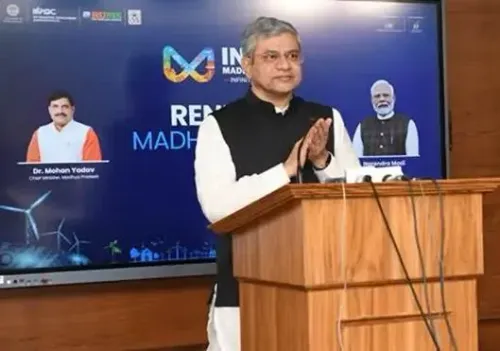
Union Minister Ashwini Vaishnaw on 25 September 2026 wrapped a thread on X by declaring Make in India's next phase is about going deeper into the value chain — a direct signal that India's manufacturing push is moving beyond assembly toward genuine domestic ownership of production.
Key Takeaways
Ashwini Vaishnaw posted on 25 September 2026 that Make in India has journeyed deeper into the value chain and must go further.
Make in India was launched in September 2014 to position India as a global manufacturing hub.
The Atmanirbhar Bharat package of 2020 supplemented the programme with a sharper focus on domestic value addition.
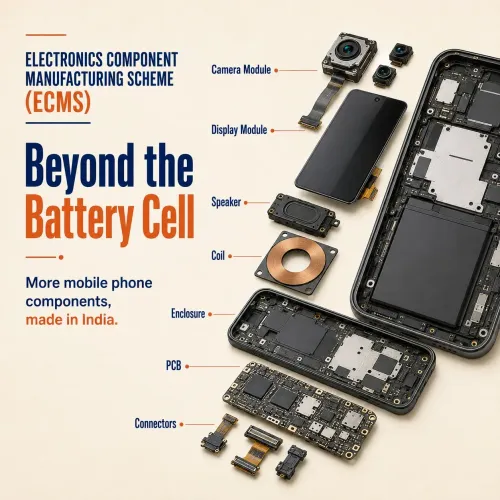
Key sectors in the value-chain push include electronics , semiconductors , and auto components , primarily through Production Linked Incentive (PLI) schemes.
Vaishnaw's portfolio as Minister of Electronics and Information Technology places him at the centre of India's deep-manufacturing ambition.
Twelve years after its launch, Make in India is no longer just about assembly — it is about ownership of the value chain. Union Minister Ashwini Vaishnaw said exactly that on Friday, 25 September 2026, wrapping up a thread on X with a pointed declaration about where the programme stands and where it is headed.
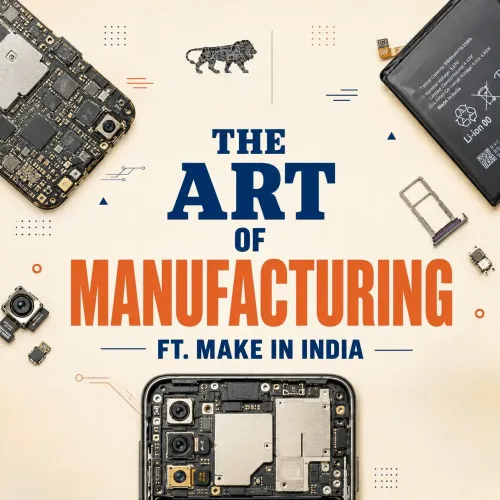
In the eighth post of his thread, Vaishnaw wrote: 'That's the journey of #MakeInIndia — going deeper into the value chain. And the journey ahead is about making even more in India.' The framing was deliberate: not a celebration of where India started, but a forward signal about what the next phase demands.
From Assembly Lines to Value Addition
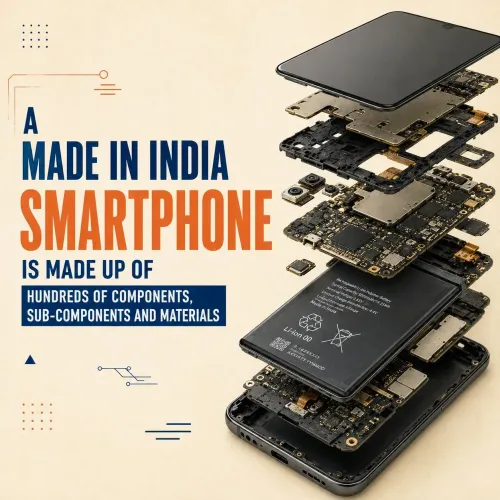
Make in India was launched in September 2014 with an ambition to transform India into a global manufacturing hub — attracting foreign direct investment, cutting red tape, and kickstarting domestic production across sectors. In its early years, critics and supporters alike noted that much of the activity it generated was screwdriver-assembly: components imported, finished products labelled. The government acknowledged that tension and responded with the Atmanirbhar Bharat package in 2020, which pushed harder on domestic value addition and supply-chain resilience. Vaishnaw's thread appears to narrate that arc — the shift from 'assembled in India' to 'made in India, deep in the stack.' His portfolio — Electronics and Information Technology — sits at the centre of that ambition, particularly as India races to build out semiconductor fabrication, electronics hardware manufacturing, and IT component ecosystems that reduce import dependence.The Value-Chain Frontier: Electronics, Semis, and Auto Components
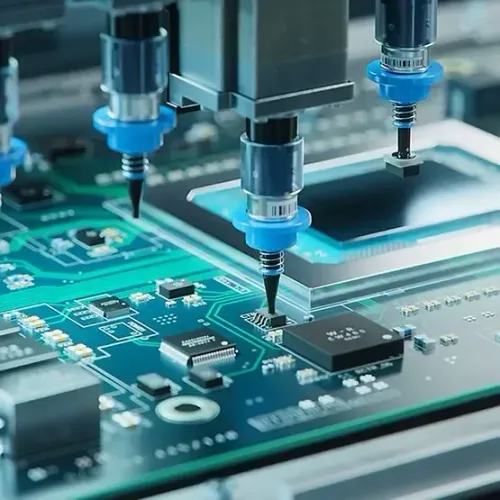
The sectors where India has made the most visible push deeper into value chains are electronics, semiconductors, and auto components — all industries where Production Linked Incentive schemes have been the primary policy lever. The PLI architecture rewards companies not just for production volumes but implicitly for building out domestic supply lines. Moving up the value chain means more jobs, higher margins, and less vulnerability to global supply shocks of the kind that exposed every major economy during and after the pandemic. For Indian manufacturers and electronics firms, the minister's signal is worth reading carefully: the government's appetite for deeper localisation is not slowing down. If anything, the framing suggests that the next policy push — whether through PLI disbursements, semiconductor incentives, or a Budget-cycle announcement — will set even more demanding benchmarks for what counts as 'made in India.' The question now is not whether India can assemble. The question is whether it can design, fabricate, and own the stack. Vaishnaw's eight-post thread suggests the government believes the answer is yes — and is prepared to build policy around that bet.Point of View
But higher-order production. This fits a broader government narrative that has been building since 2020: India is no longer content with being an assembly destination and is now chasing semiconductor fabs, component ecosystems, and design-led manufacturing. For a minister who holds both the Electronics-IT and Railways portfolios, the signal carries weight on two fronts — digital hardware supply chains and rolling-stock indigenisation. The real test, however, is whether PLI incentive structures and upcoming budget allocations are recalibrated to reward genuine value addition rather than volume, a distinction the policy architecture has not always made cleanly.
NationPress
25 Sept 2026
Frequently Asked Questions
What is Make in India and when was it launched?
Make in India is a flagship government initiative launched in September 2014 to attract manufacturing investment and boost domestic production across sectors, positioning India as a global manufacturing hub.
What does 'deeper into the value chain' mean for Indian manufacturing?
It means moving beyond simple assembly of imported components toward domestic production of parts, sub-systems, and eventually core technologies — increasing the share of value created inside India and reducing import dependence.
What is the Atmanirbhar Bharat connection to Make in India?
The Atmanirbhar Bharat package, announced in 2020 , supplemented Make in India with a sharper emphasis on domestic value addition and supply-chain self-reliance, particularly in electronics and critical sectors.
What role does Ashwini Vaishnaw play in India's manufacturing push?
As Union Minister for Electronics and Information Technology , Vaishnaw oversees the policy levers — including PLI schemes — that drive India's electronics and semiconductor manufacturing ambitions.
What should Indian manufacturers watch for next in Make in India policy?
Key developments to track include the next phase of Production Linked Incentive (PLI) disbursements and any new semiconductor or electronics manufacturing policy announcements in the upcoming Union Budget or cabinet decisions.