CM Fadnavis Visits Farmers Amid Drought-Like Crisis in Maharashtra
Synopsis
Maharashtra CM Devendra Fadnavis visited drought-affected farmers at their fields on 24 September 2026, personally listening to their grievances and assuring all possible state support — reviving focus on agrarian distress in Marathwada and Vidarbha ahead of expected relief measures.
Key Takeaways
CM Devendra Fadnavis visited farmers directly at their fields on 24 September 2026 to assess drought-like conditions.
He assured farmers of 'all possible support' from the state government to overcome the agrarian crisis.
The visit targets farmers in Maharashtra , particularly vulnerable belts like Marathwada and Vidarbha prone to monsoon deficiency.
Fadnavis has prior drought-response credentials, having launched the Jalyukt Shivar Abhiyan water conservation scheme in 2015 .
District-level crop damage assessments and formal relief package announcements are the key developments to watch in coming weeks.
Field visits by Maharashtra CMs during distress years are a long-standing political and administrative signal preceding state relief action.
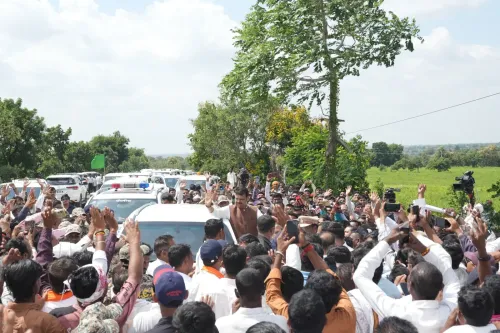
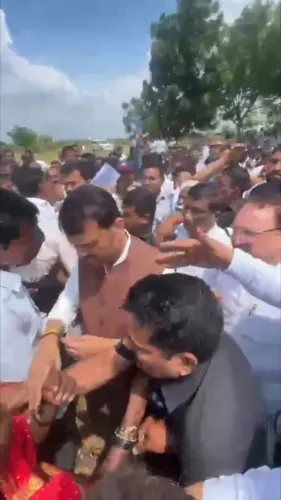
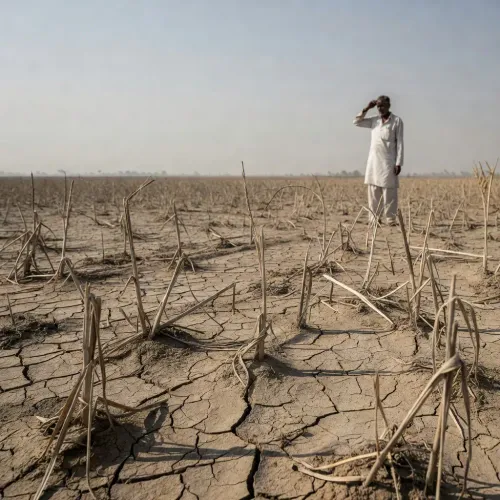
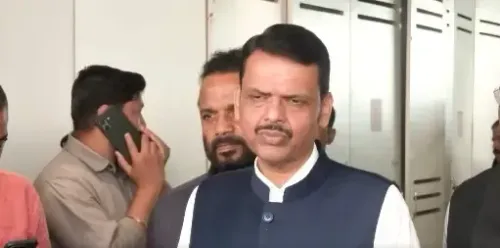
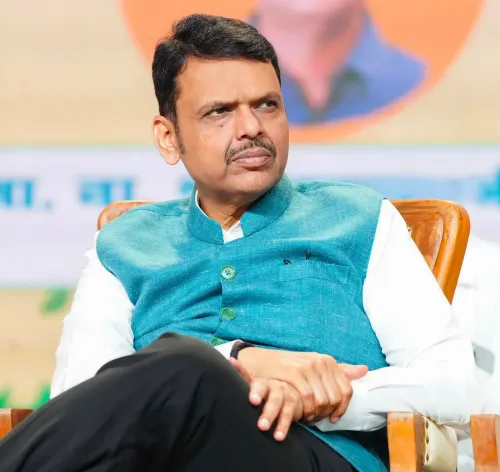
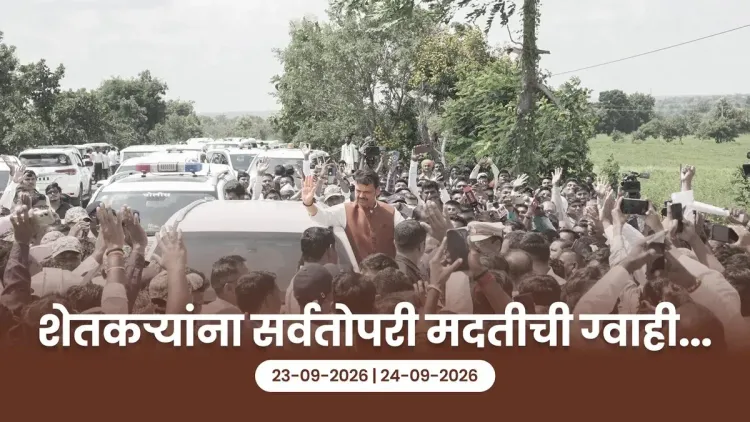
When a chief minister walks to the edge of a parched field to hear a farmer speak, it signals something beyond routine governance. Maharashtra Chief Minister Devendra Fadnavis on 24 September 2026 visited farmers directly at their fields, listening to their grievances and pledging full state support to help them navigate a worsening drought-like situation across parts of the state.
Posting in both English and Marathi, Fadnavis wrote: 'शेतकऱ्यांच्या बांधावर पोहोचून त्यांच्या व्यथा जाणून घेतल्या' — ['I reached the farmers' fields and understood their suffering'] — and assured them of 'all possible support' to overcome the conditions on the ground. The ground-level visit underscores just how serious the agrarian stress has become in the state.
Which Regions Face the Sharpest Stress
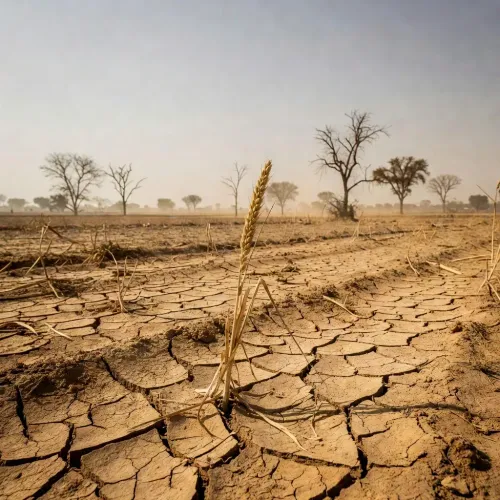
Maharashtra is home to two of India's most drought-prone farming belts — Marathwada and Vidarbha — where deficient rainfall routinely hammers kharif crops like soybean, cotton, and pulses. These regions have historically recorded the country's highest rates of farmer distress, and a poor or erratic monsoon year can push entire districts into crisis within weeks of the sowing season.
The visit fits a long-standing pattern: Maharashtra chief ministers have periodically walked the fields during deficient monsoon years to personally review crop conditions and telegraph relief intent before the administrative machinery formally kicks in. The visible presence of the chief minister at a farmer's boundary — the baan — carries both political and practical weight in rural Maharashtra.
The Policy Playbook Fadnavis Has Used Before
Fadnavis is no stranger to drought-response governance. During his earlier term, his government launched the Jalyukt Shivar Abhiyan in 2015, an ambitious water conservation and watershed programme designed to structurally reduce Maharashtra's dependence on the monsoon. The scheme deepened riverbeds, built farm ponds, and desilted canals across thousands of villages — a legacy he has consistently cited in agricultural policy debates.
That institutional memory matters now. Whether the state follows up this field visit with formal district-level crop damage assessments, input subsidy releases, or a state calamity declaration will determine how much weight farmers attach to Thursday's assurance.
What Farmers Are Watching For Next
The most consequential question is speed. Drought relief in India travels through a layered bureaucratic pipeline — tehsil surveys, district collector reports, state cabinet approvals, and then Central team inspections before funds flow. Farmers in affected talukas will be watching whether the chief minister's field visit accelerates that pipeline or remains a symbolic gesture.
Crop-loss compensation rates, the activation of employment guarantee schemes for rural labour, and emergency fodder support for livestock are the three levers the state government controls most directly — and the ones distressed farmers will be tracking in the days ahead.
A chief minister at the baan is a promise. The harvest of that promise arrives in the relief orders that follow.
Point of View
Visible empathy is as important as policy delivery. The visit also reactivates the Jalyukt Shivar Abhiyan legacy, positioning Fadnavis as the architect of Maharashtra's structural drought response rather than merely its reactive manager. The real political test, however, will arrive with the speed and scale of the relief orders that follow — field optics without financial follow-through historically sharpens, not softens, rural grievance.
NationPress
25 Sept 2026
Frequently Asked Questions
Why did CM Fadnavis visit farmers on 24 September 2026?
Fadnavis visited farmers at their fields to personally understand their concerns amid a drought-like situation in Maharashtra and to assure them of full state government support.
Which regions of Maharashtra are most affected by drought-like conditions?
Marathwada and Vidarbha are Maharashtra's most drought-prone farming belts, historically suffering the worst impact during deficient monsoon years affecting kharif crops like cotton, soybean, and pulses.
What is the Jalyukt Shivar Abhiyan and how is it relevant?
Jalyukt Shivar Abhiyan is a water conservation and watershed programme launched in 2015 under Fadnavis's earlier term as Maharashtra CM, aimed at reducing the state's structural dependence on the monsoon through farm ponds, canal desilting, and river-bed deepening.
What drought relief measures can Maharashtra farmers expect?
Following a field visit, the typical state response includes district-level crop damage surveys, input subsidies, employment guarantee scheme activation, and emergency fodder support — though formal relief packages require cabinet approval and, in some cases, Central team assessments.
Is Maharashtra under an official drought declaration in 2026?
The post and available information describe 'drought-like' conditions; an official state or Central drought declaration for 2026 has not been confirmed in the available information and should not be assumed.