CM Fadnavis visits Washim to assess crop losses from deficient rain
Synopsis
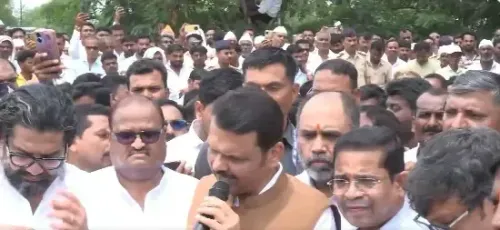
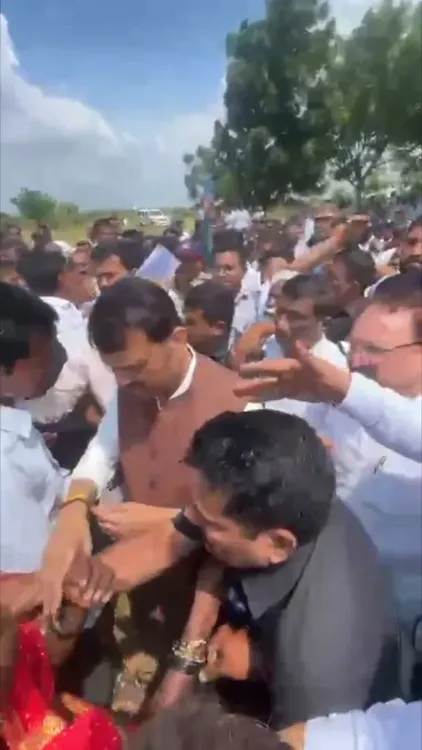
Maharashtra Chief Minister Devendra Fadnavis visited rain-hit Mohagavhan village in Washim on 24 September 2026, surveyed crop losses, heard grievances of women farmers, and pledged that the state government would stand firmly behind its cultivators through the crisis.
Key Takeaways
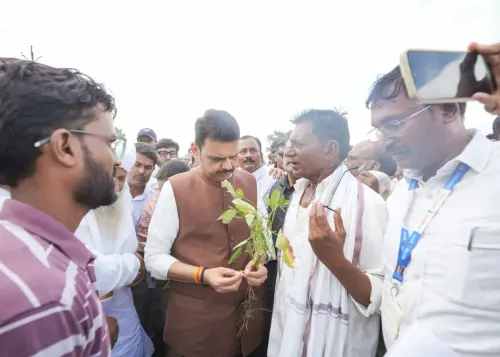
CM Devendra Fadnavis conducted an on-ground survey of crop damage at Mohagavhan village, Washim district on 24 September 2026 .
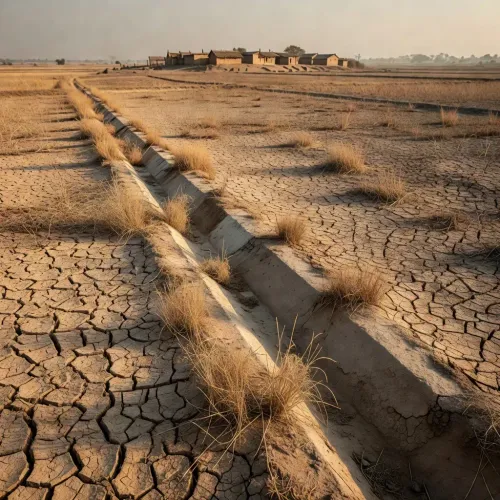
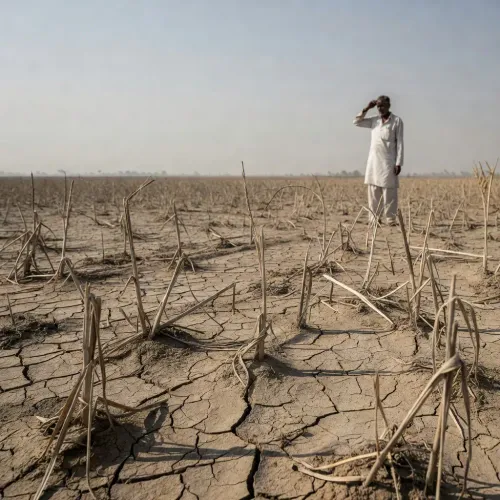
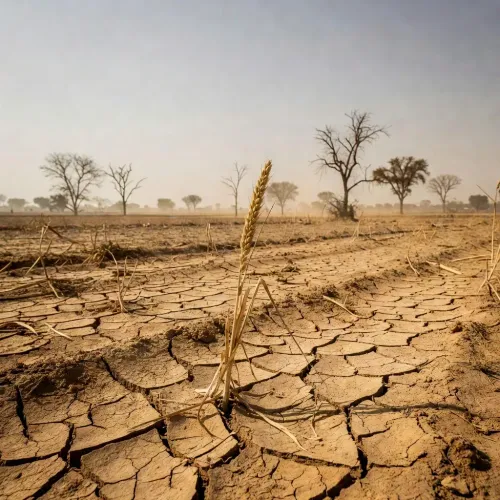
Deficient monsoon rainfall has triggered an agricultural crisis across parts of the Vidarbha region, hitting rain-fed kharif crops hard.
Fadnavis held direct conversations with women farmers ( shethkari bhaginī ) and listened to their losses and concerns.
The Chief Minister assured cultivators that the state government will stand behind farmers regardless of the scale of the crisis.
Washim has a history of recurring monsoon distress, having faced major drought episodes in 2014-15 and 2018-19 .
Field visits at this stage typically precede formal drought declarations and relief package announcements for affected districts.
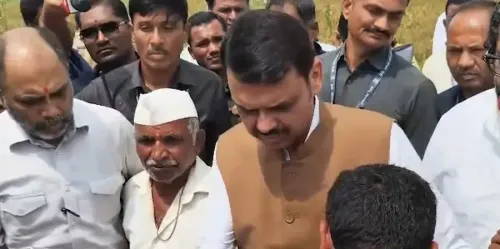
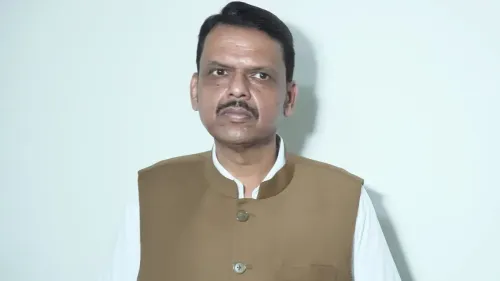
Drought stress has returned to Vidarbha — and this time, Maharashtra Chief Minister Devendra Fadnavis went to see it for himself. On Thursday, 24 September 2026, Fadnavis travelled to Mohagavhan village in Washim district to survey rain-damaged farmland and speak directly with affected women farmers about the losses they are facing.
Posting in Marathi on X, Fadnavis described the ground reality plainly: 'कमी पावसामुळे शेतकऱ्यांवर संकट ओढावलेले आहे' — 'deficient rainfall has brought a crisis upon farmers.' He said he listened to the grievances of farmer women (shethkari bhaginī) and gave them a firm assurance: no matter how large the crisis, the state government will stand behind its cultivators.
Why Washim and why now
Washim, tucked in the heart of Maharashtra's Vidarbha region, is no stranger to monsoon failure. The district — heavily dependent on rain-fed cotton and soybean cultivation — has repeatedly appeared on the state's distress radar, including during major drought episodes in 2014-15 and 2018-19. When the rains falter here, the damage is fast and deep: standing crops wilt, household incomes collapse, and debt pressure on small-holding families spikes sharply.
The September 2026 monsoon season has brought below-normal rainfall across parts of Vidarbha, putting the kharif crop — the year's primary harvest — under severe stress. A field visit at this stage of the season, before the final crop-loss assessment (panchnama) process is complete, signals an intent to fast-track official recognition of the damage.
The long arc of drought relief in Maharashtra
Maharashtra has a well-worn — if not always well-timed — playbook for agricultural distress: district-level drought declarations, input-cost subsidies, expedited processing of crop-insurance claims under the Pradhan Mantri Fasal Bima Yojana, and occasional ex-gratia packages. The Fadnavis government of 2014-19 navigated multiple such episodes in Vidarbha and Marathwada, and the pattern has continued under successive administrations.
What distinguishes today's visit is its optics and timing — a Chief Minister physically present in a distressed village, in conversation with women farmers, weeks before the harvest window. It places public accountability on the table before formal relief announcements, not after.
What farmers in Washim are watching for next
The immediate questions on the ground are practical: Will Washim receive a formal drought or 'deficient rainfall' designation? Will crop-insurance claims be expedited? Are input subsidies or direct compensation packages being prepared for the kharif 2026 season? Fadnavis offered reassurance, not a figure — but field surveys of this kind typically precede compensation announcements by days or weeks.
For Vidarbha's farmers, who have lived through cycles of promise and delay, the Chief Minister's presence in Mohagavhan is a signal. Whether it translates into swift, tangible relief will be the measure that matters.
Point of View
Managing both optics and farmer expectations simultaneously. Vidarbha has long been Maharashtra's most politically sensitive agrarian pressure-point, and a personal visit ahead of compensation announcements lets the government claim proximity to the problem rather than reacting to it. The focus on conversations with women farmers is also deliberate: female-headed households in Vidarbha disproportionately bear the economic burden of crop failure when male members migrate for work. Whether this visit accelerates the panchnama process and insurance payouts — or remains a reassurance exercise — will define its actual policy weight.
NationPress
24 Sept 2026
Frequently Asked Questions
Why did CM Fadnavis visit Washim district?
Chief Minister Devendra Fadnavis visited Mohagavhan village in Washim on 24 September 2026 to personally assess crop damage caused by deficient monsoon rainfall and to hear grievances directly from affected farmers, particularly women farmers.
Which region of Maharashtra is Washim located in?
Washim is located in the Vidarbha region of Maharashtra, an area that is historically vulnerable to monsoon failure and recurring agricultural distress.
What assurance did Fadnavis give to farmers in Washim?
Fadnavis assured the farming community that the Maharashtra state government would stand behind cultivators no matter how large the crisis, signalling that relief measures are under consideration.
What relief can drought-hit farmers in Maharashtra expect?
Based on past practice, affected farmers may receive formal drought or deficient-rainfall designation for their districts, input-cost subsidies, expedited crop-insurance claim processing under central and state schemes, and direct compensation packages — though no specific figures were announced during the visit.
Has Washim faced crop failures before?
Yes. Washim and the wider Vidarbha region have experienced significant monsoon-driven crop losses on multiple occasions, including during the drought episodes of 2014-15 and 2018-19, making it one of Maharashtra's most persistently distress-prone agricultural zones.