CM Fadnavis Visits Nagpur Cotton Farm to Assess Drought Damage
Synopsis
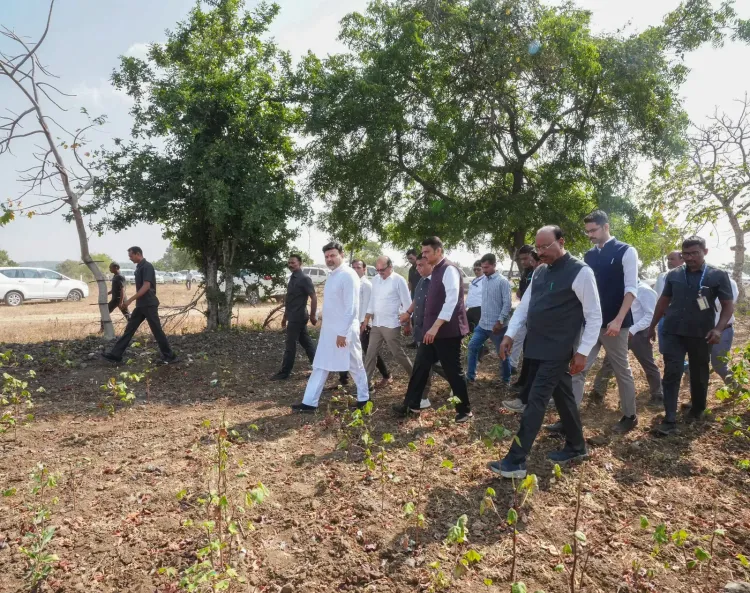
Chief Minister Devendra Fadnavis visited farmer Dilip Sarode's drought-hit cotton field in Nagpur's Narkhed taluka on 8 November 2026, assessing stunted crop growth and assuring farmers that government assistance is being provided.
Key Takeaways
CM Devendra Fadnavis personally visited Sonegaon Rithi in Narkhed taluka, Nagpur district on 8 November 2026 .
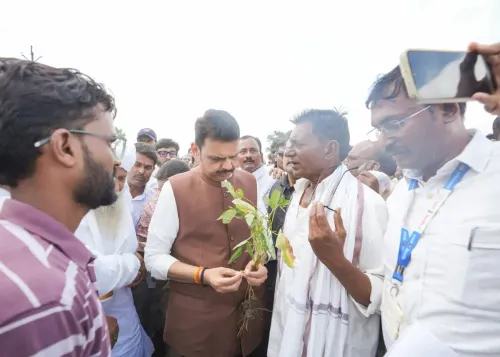
He assessed cotton crop losses on the farm of farmer Dilip Sarode , caused by drought and deficient rainfall.
Cotton plants are reported stunted and bolls have not split — indicating severe kharif-season crop failure.
Fadnavis assured farmers that 'necessary assistance is being provided' and urged them not to lose heart.
The visit falls within the broader pattern of recurring agrarian distress in Vidarbha , Maharashtra's rain-fed cotton belt.
Attention now turns to the state agriculture department's crop-cutting assessments and possible input subsidy announcements.
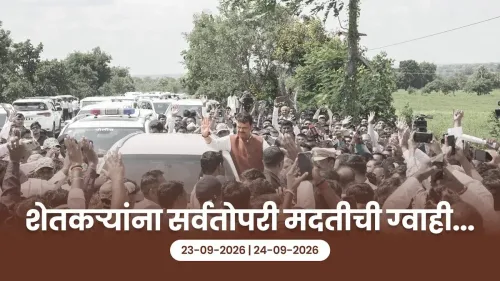
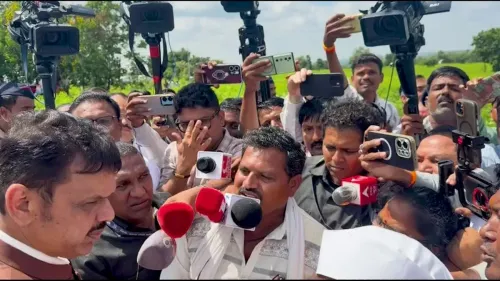
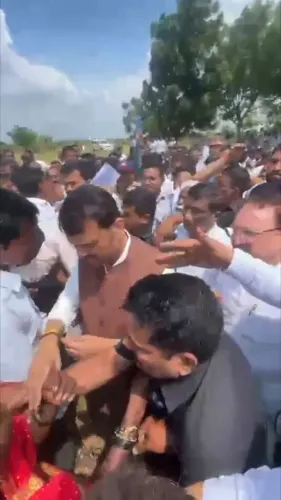
In the middle of a cotton field that should, by November, be bursting with bolls, Chief Minister Devendra Fadnavis stood on Sunday, 8 November 2026, listening to a farmer describe a season lost to drought. The Chief Minister's Office of Maharashtra announced that Fadnavis visited the farm of Dilip Sarode in Sonegaon Rithi village, Narkhed taluka, Nagpur district, to personally assess the scale of crop damage caused by deficient rainfall.
What Fadnavis Saw in Sarode's Field
The post, shared in Marathi, describes a grim agrarian picture: cotton plants stunted by insufficient rain, bolls that never cracked open — the two most visible signs of a rain-fed crop in distress. The Chief Minister 'gathered information about the losses to the cotton crop due to drought' and took stock of 'the difficulties created for farmers due to lack of rainfall and bolls not splitting,' the post states.
Fadnavis assured farmers they should not lose heart in the face of this crisis, and that 'necessary assistance is being provided to them.' The visit was tagged #DiwaliWithFarmers — a deliberate message that the government stands with cultivators even during the festival season.
Why Vidarbha's Cotton Belt Keeps Returning to This Moment
Nagpur district sits in the heart of Vidarbha, eastern Maharashtra's cotton country, where rain-fed cultivation makes farmers acutely vulnerable to monsoon variability. The region has seen recurring cycles of agrarian distress tied to erratic rainfall — a pattern that successive state governments have attempted to address through compensation packages, crop-insurance schemes, and long-term watershed interventions.
The Fadnavis government's Jalyukt Shivar Abhiyan, launched in 2016 during his first term, targeted exactly this structural problem — building decentralised watershed works to hold water in drought-prone talukas. Yet the gap between structural fixes and an acute bad season remains wide, and field visits by the Chief Minister during distress periods have become a recurring feature of Maharashtra's administrative response cycle.
What Cotton Farmers Are Waiting to Hear
The immediate question for farmers in Narkhed taluka and neighbouring areas is not just sympathy — it is numbers: a per-hectare input subsidy, an expedited crop-cutting report from the state agriculture department, or a formal declaration of drought relief norms for the current kharif season. Those decisions will flow from assessments like the one Fadnavis conducted on Sunday.
The state's drought relief fund and crop-loss compensation machinery will now face scrutiny on how quickly disbursals reach farmers whose cotton never made it to the gin.
A Chief Minister walking a drought-hit field is a signal — the question the Vidarbha farmer will watch closely is whether that signal is followed by a cheque.
Point of View
As such visits typically precede formal crop-loss declarations and relief disbursal orders. Vidarbha's structural dependence on rain-fed cotton has persisted across multiple government tenures, making each drought season a stress test for whichever administration is in power. The hashtag '#DiwaliWithFarmers' signals a deliberate political-empathy framing during the festival period, aimed at countering narratives of government indifference. The harder test for Fadnavis will be the speed and scale of compensation that follows the cameras.
NationPress
8 Nov 2026
Frequently Asked Questions
Why did CM Fadnavis visit a farm in Nagpur?
Fadnavis visited farmer Dilip Sarode's cotton field in Sonegaon Rithi, Narkhed taluka, Nagpur district on 8 November 2026 to personally assess crop losses caused by drought and deficient rainfall during the kharif season.
What happened to the cotton crop in Vidarbha due to drought?
Insufficient rainfall has stunted cotton plant growth and prevented bolls from splitting open, resulting in widespread crop failure for rain-fed cotton farmers across the region.
What relief did Fadnavis promise to drought-affected farmers in Maharashtra?
Fadnavis stated that necessary assistance is being provided to affected farmers and urged them not to lose heart, though specific per-hectare compensation figures had not been announced at the time of the visit.
What is Jalyukt Shivar Abhiyan and how is it related to Vidarbha drought?
Jalyukt Shivar Abhiyan is a watershed-development scheme launched by the Fadnavis government in 2016 aimed at reducing drought vulnerability across Maharashtra, including Vidarbha's drought-prone cotton-growing talukas.
What is the next step for Maharashtra farmers after the CM's farm visit?
Farmers are waiting for the state agriculture department's crop-cutting experiment reports and a possible formal announcement of input subsidies or drought relief compensation norms for the current kharif season.