CM Yogi: UP's 56 Van Tangiya Villages Finally Get Welfare
Synopsis
Chief Minister Yogi Adityanath says Uttar Pradesh's 56 Van Tangiya villages — forest settlements ignored since 1947 — have now received roads, ration cards, permanent housing, schools, and Ayushman Bharat health cards, marking their formal entry into India's welfare mainstream.
Key Takeaways
56 Van Tangiya villages in Uttar Pradesh historically received no government welfare benefits despite India's independence in 1947 .
CM Yogi Adityanath confirmed delivery of roads, ration cards, pucca houses, schools, and Ayushman cards to these communities.
Van Tangiya communities are forest-dwelling populations whose lack of formal land records blocked access to mainstream government schemes for decades.
The Ayushman Bharat health insurance programme, launched in 2018 , now covers these households for cashless medical treatment.
The move is part of a broader UP administration push for saturation-level welfare delivery to remote and historically underdocumented habitations.
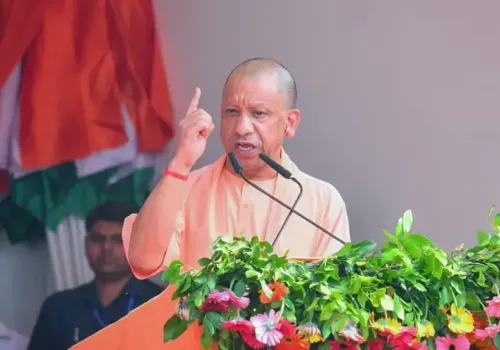
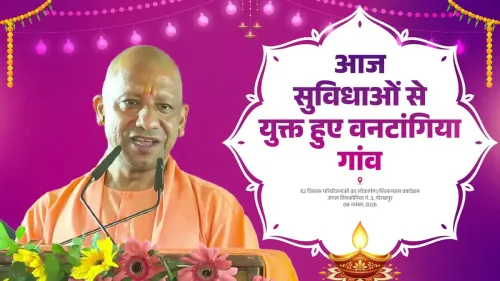
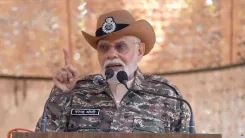
For nearly eight decades after independence, 56 Van Tangiya villages in Uttar Pradesh lived outside the reach of the Indian state — no paved roads, no ration cards, no government housing, no schools, no healthcare. That silence, Chief Minister Yogi Adityanath declared on Sunday, November 8, 2026, is now over.
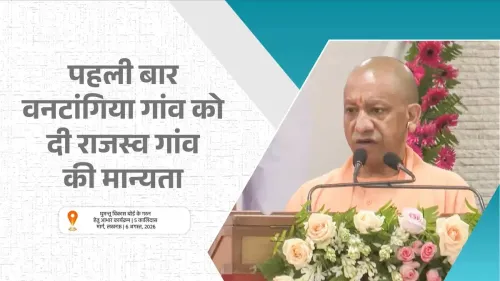
The Chief Minister's Office of Uttar Pradesh posted a pointed quote from CM Yogi Adityanath in Hindi: 'उत्तर प्रदेश में 56 वनटांगिया गांव ऐसे थे, जिनकी सुधि लेने वाला कोई नहीं था' — 'There were 56 Van Tangiya villages in Uttar Pradesh that no one paid attention to.' He added that while the country gained independence in 1947, the real benefits of that freedom never reached these settlements — until now.
Who are the Van Tangiya — and why were they left behind?
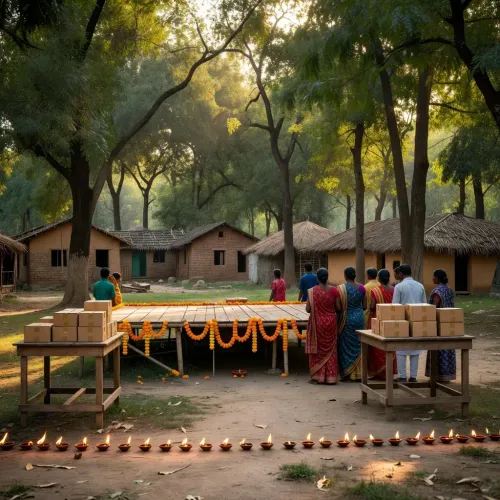
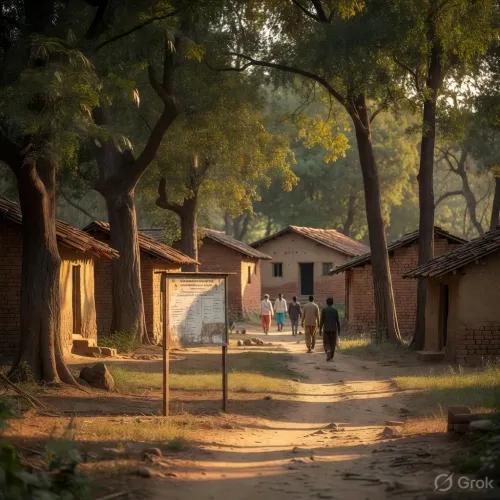
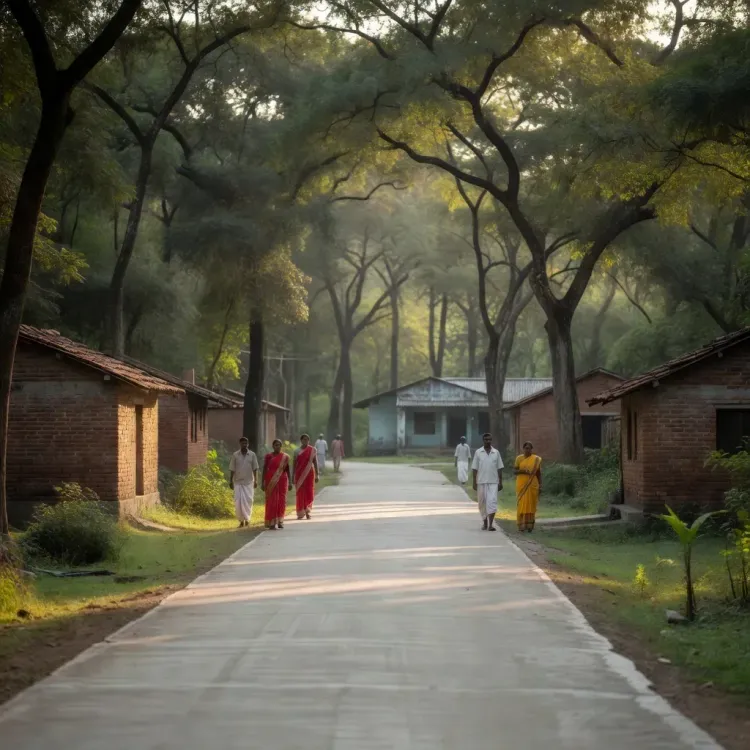
Van Tangiya communities are forest-dwelling populations whose origins trace back to the British-era practice of clearing jungle land for plantation work. Settled deep inside forest belts, these villages were never formally integrated into revenue records, leaving residents in a legal grey zone that made them ineligible for most government schemes for generations after 1947.
Their invisibility was not accidental — it was structural. Without land titles or official village status, residents could not access the ration system, enrol in public schools, or apply for housing under central schemes. Healthcare was largely non-existent.
What has reached the 56 villages
CM Yogi listed the specific deliverables now in place: roads, ration cards, pucca (permanent) houses, schools, and Ayushman cards. The Ayushman Bharat health insurance programme, launched nationally in 2018, provides cashless treatment coverage to economically weaker families — and extending it to Van Tangiya households marks their formal entry into the mainstream welfare architecture.
'Aaj in gaanvon mein mangal hai' — 'Today there is well-being in these villages' — the Chief Minister said, adding pointedly: 'We can say this with confidence.'
Last-mile delivery as a political and administrative test
The Uttar Pradesh administration under Yogi Adityanath, who has served as Chief Minister since 2017, has repeatedly framed saturation-level welfare delivery — reaching every eligible household in every habitation — as a governance benchmark. Van Tangiya villages represent the hardest end of that test: remote, historically undocumented, and belonging to communities that lacked even the paperwork to demand rights.
The broader pattern across India's large states has been to identify pockets that missed the post-independence development wave — particularly forest and tribal populations — and run targeted drives to close the gap. Whether the 56 villages have achieved full saturation, or whether the announcement marks a progress milestone, will become clearer as official field reports emerge.
Seventy-nine years after independence, the question was never whether these villages deserved roads and schools — it was whether anyone would notice they were missing them. The answer, at least on paper, has finally changed.
Point of View
The framing is explicitly designed to contrast present delivery with seven decades of exclusion, a potent electoral and moral argument. The harder question is verification: saturation claims in remote forest settlements are notoriously difficult to audit, and the gap between scheme enrolment and actual on-ground service access is a persistent challenge in UP's forest belt. If the delivery holds up to scrutiny, it represents a genuine last-mile governance achievement; if it does not, the specificity of the '56 villages' figure will make it easy to hold the government accountable.
NationPress
8 Nov 2026
Frequently Asked Questions
What are Van Tangiya villages in Uttar Pradesh?
Van Tangiya villages are forest settlements in Uttar Pradesh, historically inhabited by communities who cleared jungle land during British rule. Because they lacked formal revenue records or official village status, residents were excluded from most government welfare schemes for decades after 1947.
What welfare facilities have reached UP's Van Tangiya villages?
Chief Minister Yogi Adityanath stated that roads, ration cards, pucca (permanent) houses, schools, and Ayushman Bharat health cards have now been provided to residents of the 56 Van Tangiya villages in Uttar Pradesh.
What is the Ayushman Bharat card and why does it matter for Van Tangiya communities?
The Ayushman Bharat card, issued under a national health insurance scheme launched in 2018, provides eligible poor families with cashless hospitalisation coverage. For Van Tangiya residents who previously had no access to formal healthcare, receiving the card marks their first formal inclusion in India's public health safety net.
How many Van Tangiya villages are there in Uttar Pradesh?
Chief Minister Yogi Adityanath's office cited 56 Van Tangiya villages in Uttar Pradesh as historically neglected settlements that have now been covered under welfare schemes.
What has the Yogi Adityanath government done for forest communities in UP?
Since 2017, the Yogi Adityanath administration has focused on extending central and state welfare schemes — including housing, roads, ration cards, and health coverage — to remote and historically underdocumented habitations such as Van Tangiya villages, as part of a broader last-mile delivery push.