CM Fadnavis visits rain-hit Washim, assures farmers of full state support
Synopsis
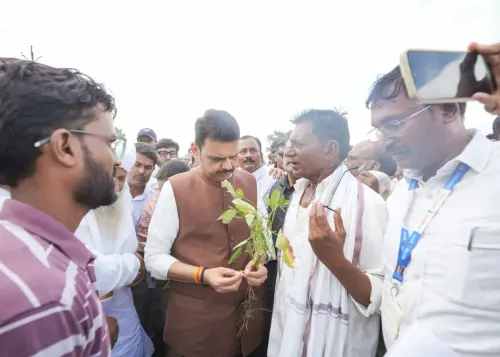
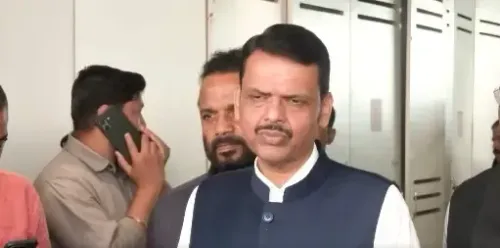
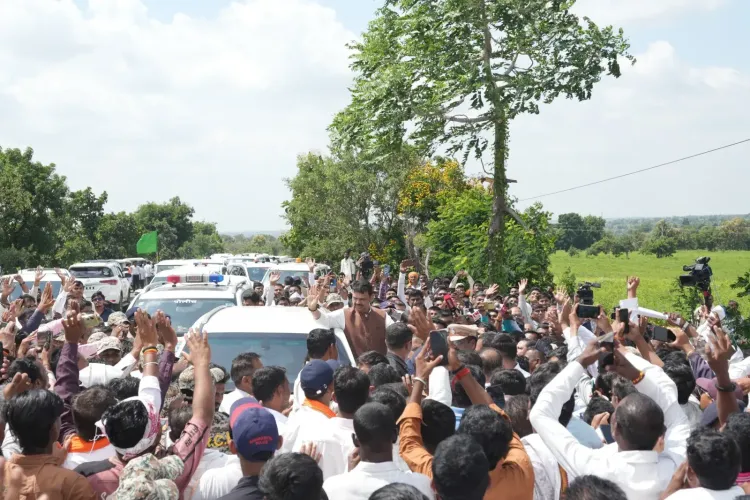
Chief Minister Devendra Fadnavis visited Jaulka village in Washim district on September 24, 2026, to directly interact with farmers hit by a prolonged monsoon break. He assured citizens of full government support, signalling the start of formal relief assessment in drought-prone Vidarbha.
Key Takeaways
CM Devendra Fadnavis visited Jaulka village, Malegaon taluka, Washim district on September 24, 2026 .
The visit was prompted by a prolonged break in rainfall causing distress among farmers and residents.
Fadnavis held a direct face-to-face interaction with citizens, listening to their problems and difficulties.
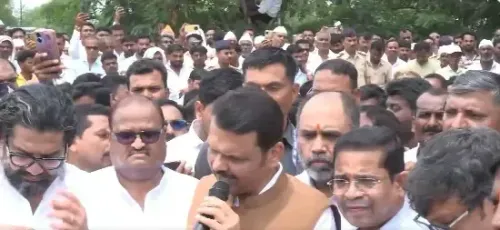
He assured that the state government 'stands firmly behind' farmers and that 'all possible assistance will be provided.' Washim district lies in the Vidarbha region, one of Maharashtra's most rainfall-volatile and agriculturally stressed zones.
Such CM visits typically precede formal crop-loss assessments and possible drought declarations under the Maharashtra state relief code.
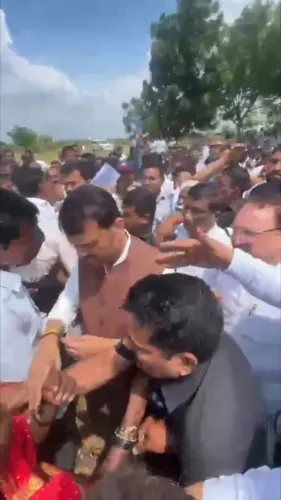
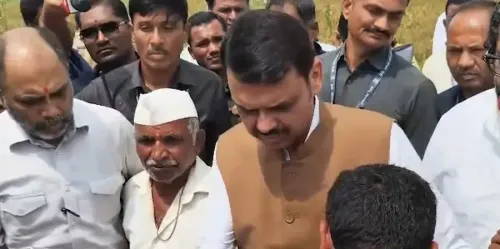
When the monsoon abandons Vidarbha's fields mid-season, the political response matters as much as the rain itself. On Thursday, September 24, 2026, Chief Minister Devendra Fadnavis travelled directly to Jaulka village, Malegaon taluka, Washim district, to hear drought-stressed farmers and residents face-to-face — a signal that the administration is watching, and moving.
The Chief Minister's Office of Maharashtra confirmed that Fadnavis held a direct interaction — थेट संवाद — with citizens at the village, listening to their specific difficulties arising from a prolonged break in rainfall. He assured those gathered that the government stands 'firmly behind' farmers and residents and that 'all possible assistance will be provided.' Citizens at the meeting expressed satisfaction and thanked the Chief Minister for the commitment.
Why Washim, and why now
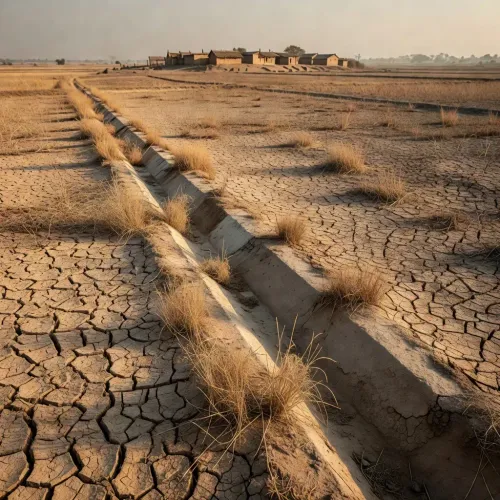
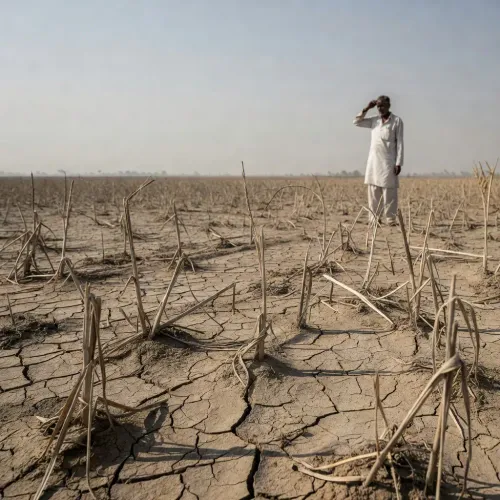
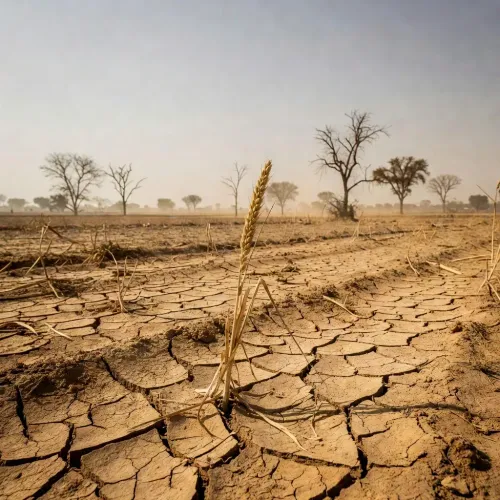
Washim district, tucked in Maharashtra's Vidarbha region, sits at the sharp end of the state's rainfall volatility problem. The region has historically recorded some of Maharashtra's steepest monsoon deficits, translating directly into crop failure, debt distress, and rural out-migration. A prolonged break in rain at the critical kharif growing stage — when cotton, soybean, and pulses need consistent moisture — can erase an entire season's investment in days.
Chief Ministers visiting distressed districts in Vidarbha and Marathwada during monsoon breaks is a long-standing practice in Maharashtra's administrative playbook. Such visits are rarely just symbolic. They typically precede formal crop-damage assessments, and in serious years, a formal drought declaration under the state relief code — which then unlocks compensation disbursements and input subsidies for affected cultivators.
Fadnavis's rural water legacy and what comes next
Fadnavis has framed drought-proofing as a signature concern across his stints as Chief Minister. During his 2014–2019 tenure, his administration launched the Jalyukt Shivar Abhiyan, an ambitious scheme to build water-conservation structures in drought-prone villages and reduce dependence on erratic rainfall for agriculture. The programme drew both praise for its scale and scrutiny over its long-term hydrological impact.
The visit to Jaulka now sets the clock ticking on the next administrative steps. What Washim farmers and observers will be watching for: whether the state initiates a formal crop-loss survey, whether neighbouring districts in the same rainfall shadow receive the same outreach, and whether a specific relief package — with numbers and timelines — follows the Chief Minister's personal assurance.
In Vidarbha, a promise made in a village square carries weight precisely because of how many times similar promises have not been kept. The measure of this visit will be in what the government announces in the weeks ahead.
Point of View
Making the visit less a conclusion and more a starting gun for the relief pipeline. The invocation of Jalyukt Shivar Abhiyan's legacy suggests the administration is framing this as continuity of a drought-mitigation mission, not a crisis response. Whether the visit translates into swift, verifiable disbursement — or remains goodwill without follow-through — will define its actual political value in Vidarbha.
NationPress
24 Sept 2026
Frequently Asked Questions
Why did CM Devendra Fadnavis visit Washim district?
Fadnavis visited Jaulka village in Washim's Malegaon taluka on September 24, 2026, because a prolonged break in monsoon rainfall had created hardship for local farmers and residents. He held a direct interaction to understand their problems and assured them of full government support.
What did Fadnavis promise farmers in Washim?
The Chief Minister assured farmers and citizens in Jaulka that the government stands firmly behind them and that all possible assistance will be provided to help them through the rainfall-break crisis.
What is Washim district known for in Maharashtra?
Washim is a district in Maharashtra's Vidarbha region, historically prone to rainfall variability and agrarian distress. It is a key cotton and soybean farming belt where monsoon breaks can cause severe crop losses.
What happens after a Chief Minister visits a drought-affected area in Maharashtra?
Such visits typically trigger formal crop-damage surveys and can precede a drought declaration under the Maharashtra state relief code, which then enables compensation payments and input subsidies for affected cultivators.
What was Jalyukt Shivar Abhiyan?
Jalyukt Shivar Abhiyan was a water-conservation scheme launched by the Fadnavis government during its 2014–2019 term, aimed at building permanent drought-proofing infrastructure — such as farm ponds and stream deepening — in Maharashtra's water-scarce villages.