CM Fadnavis surveys drought-hit Maharashtra villages
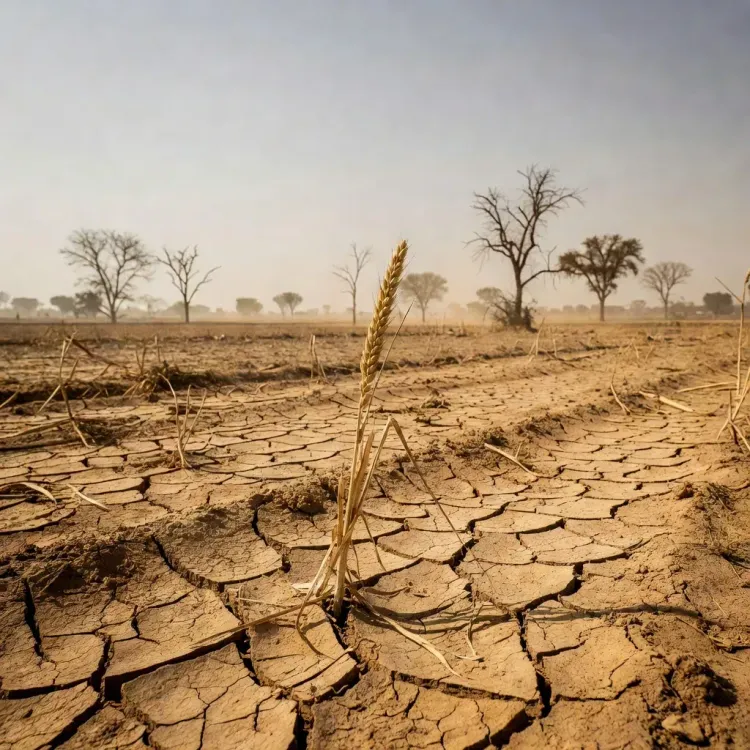
Synopsis
Chief Minister Devendra Fadnavis has personally visited drought-affected villages in Maharashtra as the CMO confirms that over two-thirds of the state is in the grip of drought conditions, signalling imminent relief measures for distressed farmers.
Key Takeaways
The Chief Minister's Office of Maharashtra confirmed on 24 September 2026 that drought conditions prevail across more than two-thirds of the state .
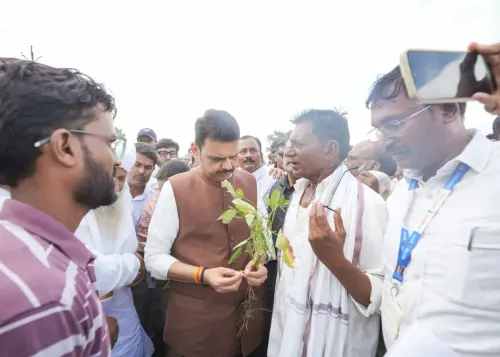
CM Devendra Fadnavis conducted field visits to drought-hit villages to personally assess the ground situation.
Maharashtra's chronically vulnerable regions — Marathwada , Vidarbha , and parts of western Maharashtra — are historically the worst-affected in drought years.
Fadnavis has a prior record on drought response, including the launch of the Jalyukt Shivar Abhiyan watershed programme during his 2014–2019 tenure.
Possible outcomes include tanker deployments, revised crop compensation guidelines, and a formal drought relief package in the coming weeks.
A formal taluka-level drought notification would unlock NDRF central assistance for the state.
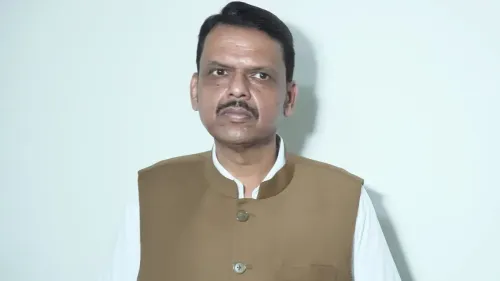
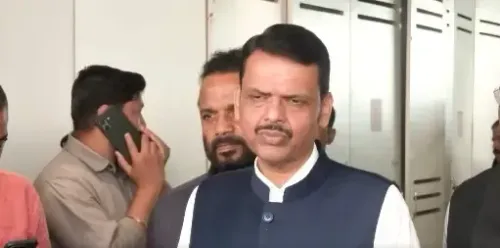
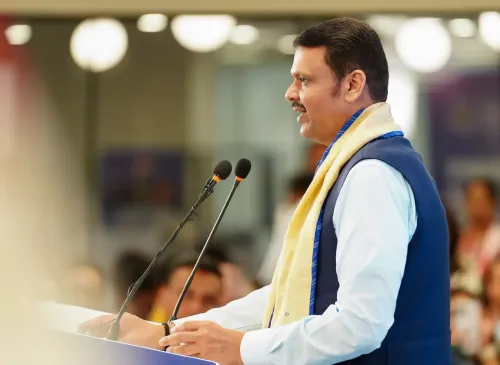
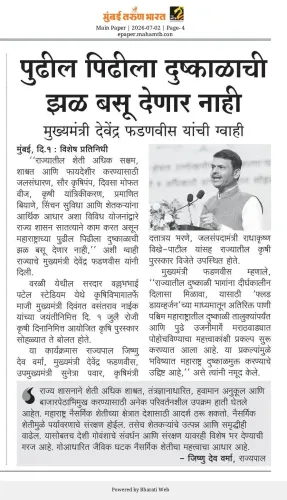
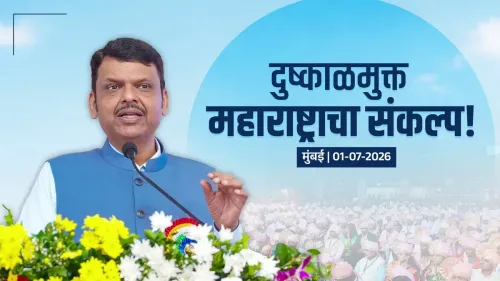
With more than two-thirds of Maharashtra gripped by drought conditions, Chief Minister Devendra Fadnavis has taken to the field — visiting affected villages to directly assess the crisis on the ground on Thursday, 24 September 2026. The Chief Minister's Office of Maharashtra shared the update on X, signalling that the state's top executive is treating the situation as an emergency requiring hands-on attention, not just desk-level coordination.
A state under stress: the scale of the drought
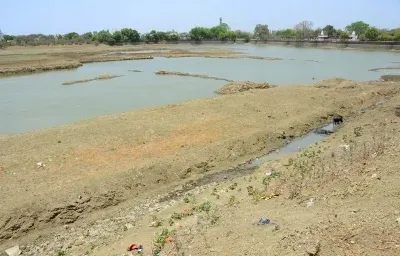
When drought crosses the two-thirds threshold in a state as large and agriculturally diverse as Maharashtra, the numbers stop being statistical — they become a human emergency. The three chronically vulnerable belts — Marathwada, Vidarbha, and parts of western Maharashtra — have historically borne the worst of the state's monsoon variability, and each episode brings with it the compounding pressures of crop failure, cattle distress, and migration pressure on rural families.
Maharashtra has lived through this cycle before. Successive state governments have oscillated between emergency relief — tanker deployments, crop compensation, waiver schemes — and medium-term structural fixes. The current extent of the crisis, if confirmed across more than two-thirds of the state's districts, would rank among the more severe drought footprints in recent memory.
Fadnavis in the field: why the village visits matter
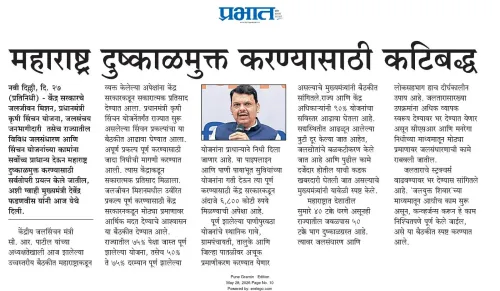
Devendra Fadnavis, who served as Chief Minister between 2014 and 2019 before returning to the office, has previously positioned farmer welfare and water conservation at the centre of his administrative identity. His first tenure saw the launch of Jalyukt Shivar Abhiyan — a statewide watershed development programme that desilted riverbeds and built percolation tanks across hundreds of villages with the explicit goal of drought-proofing rural Maharashtra.
Ground visits by a sitting Chief Minister are more than symbolic. District collectors, irrigation officials, and relief machinery tend to accelerate action when the head of government walks the same parched fields that farmers do. Fadnavis's tour signals that official drought recognition — the administrative trigger for unlocking state relief funds and central NDRF assistance — may be imminent or already underway.
What relief could look like in the coming weeks
Based on Maharashtra's established drought-response playbook, the state is likely weighing a combination of immediate and medium-term interventions. Emergency tanker deployments to water-scarce villages, revised crop compensation guidelines under the state disaster relief fund, and potential input-subsidy announcements for affected farmers are all instruments the administration has used in past drought years.
The central government's National Disaster Response Fund becomes accessible once the state formally notifies drought-affected talukas — a process that Fadnavis's field assessment is likely designed to fast-track. Watch for a formal relief package announcement from Mantralaya in the days following the tour.
For the farmers waiting in fields that should be green but aren't, the Chief Minister's presence is both a message and a deadline. Maharashtra has faced this before. Whether this cycle ends differently will depend on how fast relief moves from announcement to arrival.
Point of View
And a visible chief ministerial presence in those regions carries weight beyond optics. The broader policy question is whether this drought episode will accelerate a return to structural watershed investment — or whether, as in past years, emergency relief dominates at the cost of long-term drought-proofing. The coming relief package, and its scale, will be the real measure of the administration's seriousness.
NationPress
24 Sept 2026
Frequently Asked Questions
What is the current drought situation in Maharashtra in 2026?
As of September 2026 , the Chief Minister's Office of Maharashtra has confirmed that drought conditions are affecting more than two-thirds of the state, making it one of the more extensive drought episodes in recent years.
Why is CM Fadnavis visiting drought-affected villages?
CM Devendra Fadnavis is conducting field visits to drought-hit villages to directly assess the ground situation and coordinate a fast-tracked administrative response, including potential relief package announcements.
Which regions of Maharashtra are most vulnerable to drought?
Marathwada , Vidarbha , and parts of western Maharashtra are the state's most chronically drought-prone regions, facing recurring crop failures and water scarcity during deficient monsoon years.
What relief measures can Maharashtra farmers expect?
Based on past drought-response practice, farmers may expect emergency tanker water supply , revised crop compensation under the state disaster relief fund, input subsidies, and possible central NDRF assistance following a formal drought notification.
What was Jalyukt Shivar Abhiyan and is it relevant now?
Jalyukt Shivar Abhiyan was a watershed development programme launched by the Fadnavis government in 2015 to desilting rivers and build percolation tanks across drought-prone villages. It remains part of the policy lineage that informs the current administration's water conservation approach.