CM Fadnavis to Aid Drought-Hit Maharashtra Farmers
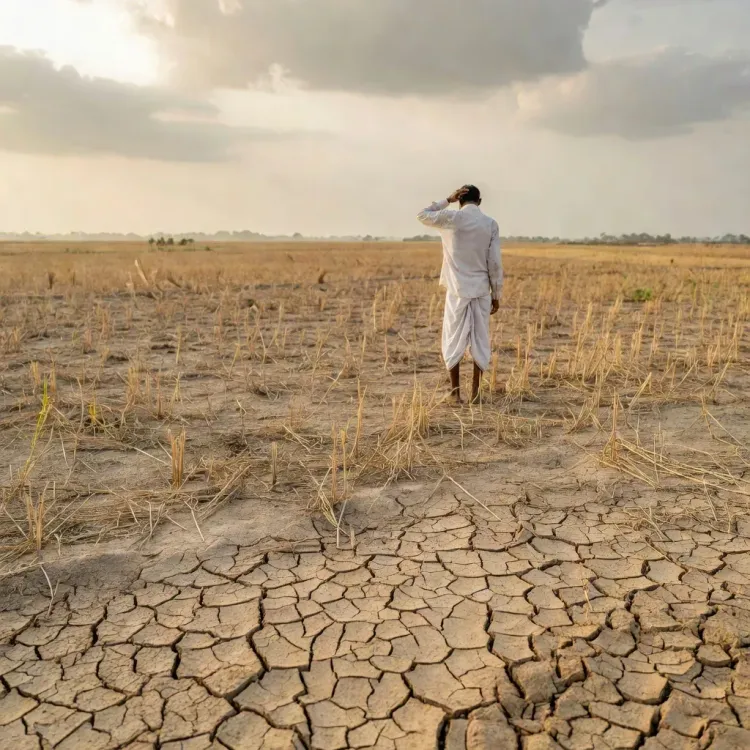
Synopsis
The Chief Minister's Office of Maharashtra announced on October 28, 2026 that CM Devendra Fadnavis will provide assistance to farmers hit by drought conditions, signalling a state-level relief push ahead of the critical rabi sowing season.
Key Takeaways
CM Devendra Fadnavis has pledged aid to drought-affected farmers in Maharashtra , as announced by the CMO on October 28, 2026 .
The post was made in Marathi and translates to: 'Will help farmers in drought conditions.' Maharashtra has a long history of drought episodes, particularly in Vidarbha , Marathwada , and parts of western Maharashtra.
During Fadnavis's earlier term ( 2014–2019 ), the state used crop compensation and water tanker deployment as primary drought-relief tools.
The announcement comes ahead of the rabi sowing season , a critical period for winter crop planting.
Specific districts, monetary outlay, and formal government orders are yet to be detailed.
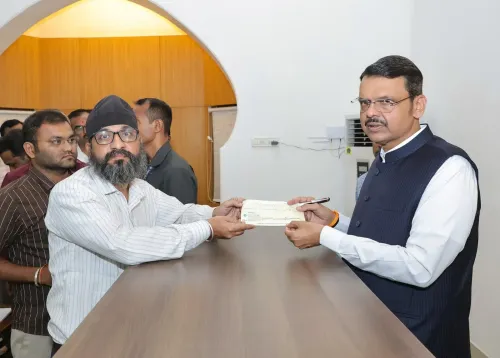
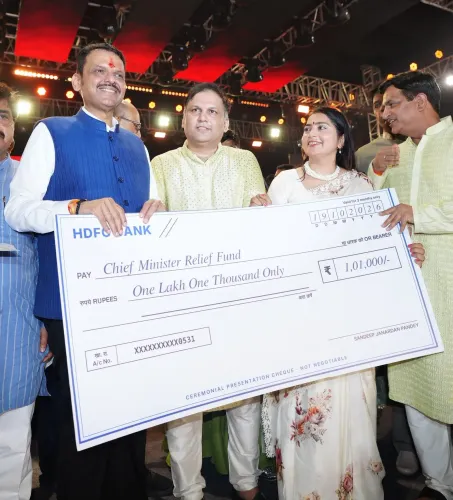
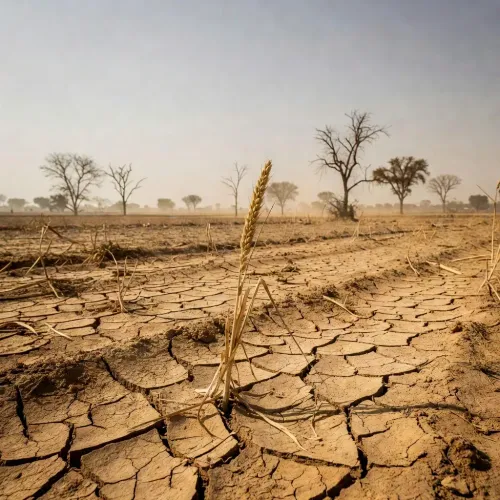
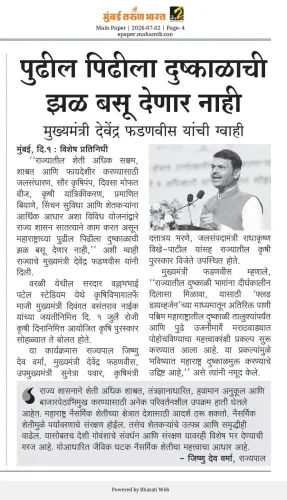
When drought tightens its grip on Maharashtra's fields, the first question farmers ask is whether the state will show up. On Wednesday, October 28, 2026, the Chief Minister's Office of Maharashtra answered that question directly, posting on X that Chief Minister Devendra Fadnavis will extend assistance to farmers facing drought conditions across the state.
The post, in Marathi, reads: 'दुष्काळी परिस्थितीत शेतकऱ्यांना मदत करणार' — 'Will help farmers in drought conditions' — a direct pledge from the Chief Minister's Office tagging Fadnavis personally.A pledge rooted in drought history
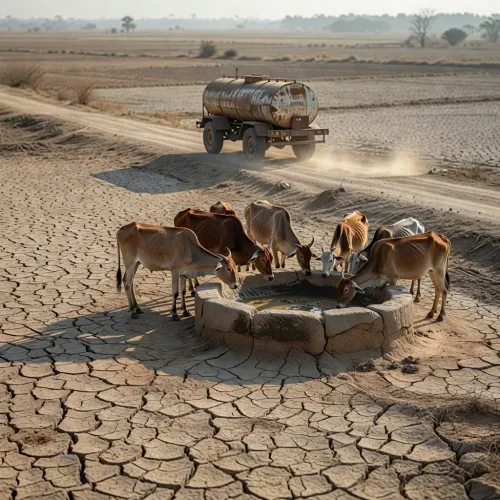
Maharashtra is no stranger to agricultural distress. The state's vast farming belt — spanning Vidarbha, Marathwada, and parts of western Maharashtra — sits at the mercy of an increasingly erratic monsoon. Successive deficient rainfall years have repeatedly pushed rural communities to the edge, making drought relief a recurring and politically charged responsibility for any ruling government.
During Fadnavis's earlier tenure as Chief Minister between 2014 and 2019, the state government rolled out drought packages that included crop compensation payouts and emergency water tanker deployments to parched villages — a template that established his administration's approach to agrarian crisis management.
What relief could look like on the ground
While the post does not specify the scale, form, or districts covered by the announced assistance, Maharashtra's standard drought-response toolkit includes crop loss compensation under central and state agricultural schemes, subsidised inputs for the rabi sowing season, and tanker water supply to affected talukas. Observers will watch for formal government orders or supplementary budget provisions that translate this political commitment into district-level action.
The timing matters: the rabi season — when winter crops like wheat, chickpeas, and sorghum go into the ground — is a critical window. A delayed or inadequate response now compounds losses farmers may already have absorbed from a weak kharif harvest.
Point of View
Who built a significant portion of his political identity around agrarian governance during his first tenure, is reinforcing that credential ahead of what could be a contentious rabi season. The real test, however, will be whether formal government orders follow within days — Maharashtra's drought-relief architecture has historically been strong on announcements and variable on timely disbursement at the district level.
NationPress
28 Oct 2026
Frequently Asked Questions
What has CM Fadnavis announced for drought-hit farmers in Maharashtra?
The Chief Minister's Office of Maharashtra posted on X on October 28, 2026 that CM Devendra Fadnavis will provide assistance to farmers facing drought conditions in the state, though specific details of the relief package are yet to be officially announced.
Which regions of Maharashtra are most affected by drought?
Vidarbha, Marathwada, and parts of western Maharashtra are historically the most drought-prone regions, frequently experiencing deficient rainfall that disrupts both kharif and rabi crop cycles.
What kind of drought relief has Maharashtra provided in the past?
Past relief measures have included crop loss compensation payouts, subsidised agricultural inputs, emergency water tanker deployment to affected villages, and targeted support under central and state agricultural welfare schemes.
Why is the timing of this announcement significant?
The announcement comes ahead of the rabi sowing season — the window when winter crops like wheat and chickpeas are planted. A timely relief package is critical to prevent compounding losses from any weak kharif harvest earlier in the year.
Has Fadnavis handled drought relief before as Chief Minister?
Yes. During his first term as Maharashtra Chief Minister from 2014 to 2019, Fadnavis implemented drought relief packages that included crop compensation and water tanker deployment during successive years of deficient rainfall.