Rajnath Singh Meets Indian Community in Cebu, Philippines
Synopsis
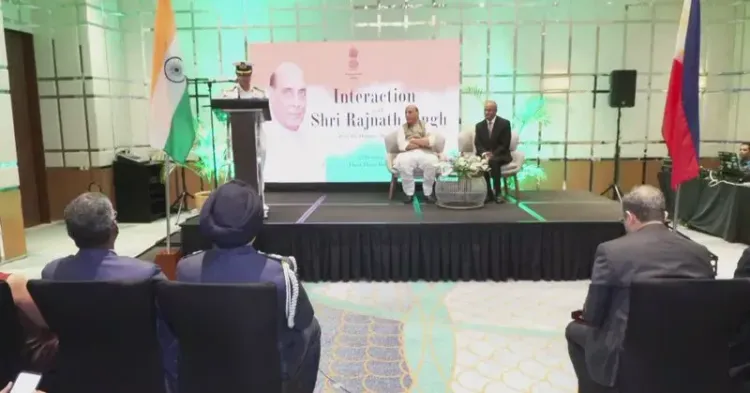
Union Defence Minister Rajnath Singh interacted with the Indian community in Cebu, Philippines on October 28, 2026, combining bilateral defence diplomacy with diaspora outreach as part of India's broader soft-power engagement in Southeast Asia.
Key Takeaways
Rajnath Singh met the Indian community in Cebu, Philippines on October 28, 2026 during an official overseas visit.
Cebu is the Philippines' second-largest city and a key commercial centre in the Visayas region.
Diaspora outreach during ministerial foreign visits has been a recurring feature of Indian diplomacy since the early 2000s .
India and the Philippines share expanding ties in defence, trade, and Indo-Pacific maritime security.
The interaction underscores India's strategy of leveraging diaspora networks in Southeast Asia as a soft-power and economic diplomacy tool.
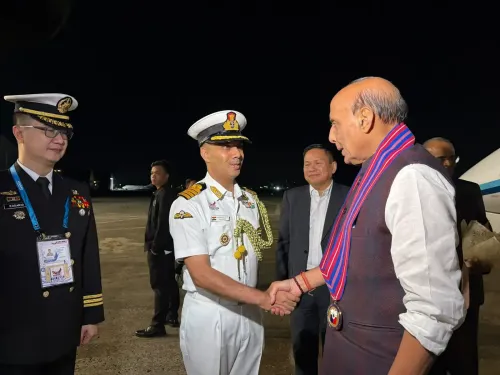
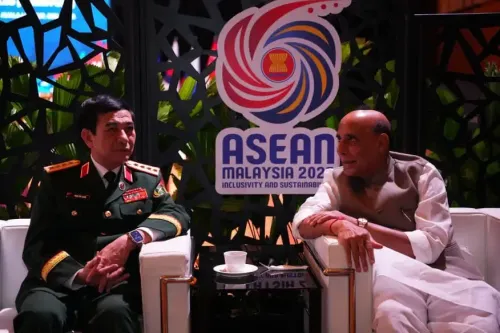
Thousands of kilometres from home, Union Defence Minister Rajnath Singh sat down with members of the Indian community in Cebu, Philippines, on Wednesday, October 28, 2026 — a meeting that placed people-to-people warmth at the centre of an official bilateral visit to Southeast Asia.
A Diaspora Gathering in the Heart of the Visayas
Cebu, the Philippines' second-largest city and a major commercial hub in the Visayas archipelago, served as the backdrop for the minister's interaction with overseas Indians settled in the country. Such community engagements have become a defining feature of senior Indian ministerial travel — a deliberate signal that official diplomacy is not confined to state rooms and signed agreements, but extends to the millions of Indians who live, work, and build businesses abroad.
The Indian diaspora in the Philippines is a relatively modest but commercially active community, concentrated in trade, services, and the technology sector. Their presence in cities like Cebu reflects the broader Indian footprint across Southeast Asia — a region India has been courting with growing strategic intent.
Soft Power Alongside Hard Security: India's Philippines Calculus
India and the Philippines have been steadily deepening ties across defence, trade, and maritime domains, two countries with overlapping interests in a free and open Indo-Pacific. For a Defence Minister to combine a bilateral security engagement with a diaspora interaction is itself a statement: that India's strategic presence in the region is built as much on community bonds as on formal agreements.
Ministerial outreach to overseas Indians during foreign visits has been a consistent thread in Indian diplomacy since the early 2000s, with the Ministry of External Affairs actively institutionalising diaspora engagement as a soft-power instrument. Singh's Cebu interaction fits squarely within that tradition — and, coming from a Defence Minister, it carries an added subtext of reassurance to a community living in a region of considerable maritime flux.
What Comes Next from Manila and Cebu
Watch for any follow-up statements on India-Philippines defence cooperation — whether on maritime security frameworks, defence equipment transfers, or future high-level visits — that typically emerge after such combined bilateral-and-community tours. The diaspora interaction often seeds the ground for the harder conversations that follow.
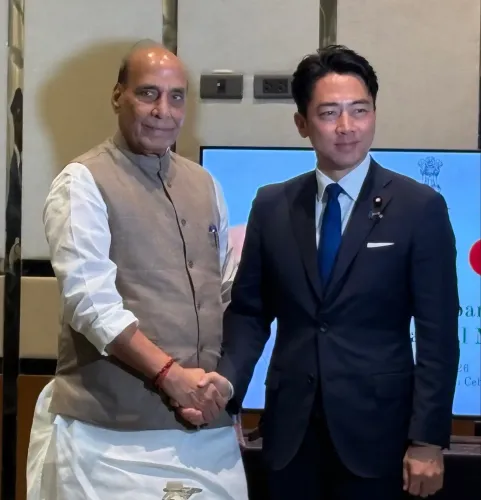
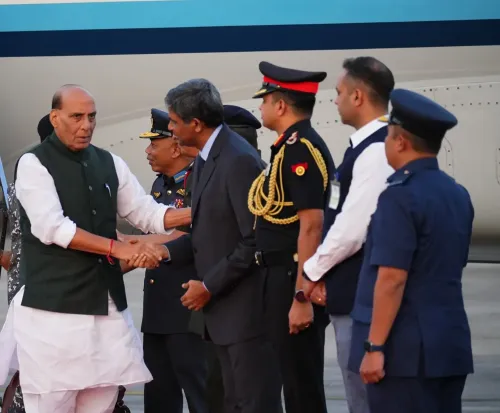
For now, a Defence Minister's handshake in Cebu is a reminder that India's strategic reach into Southeast Asia is very much a living, breathing thing — and the Indian community there is part of the architecture.
Point of View
The optic of engaging the community in a Southeast Asian maritime nation carries added weight at a time when India is deepening security partnerships across the Indo-Pacific. It signals that New Delhi views the Philippines not merely as a transactional defence partner but as a node in a longer people-to-people relationship. Any concrete defence deliverables from the broader visit will determine whether this trip is remembered as substantive or merely ceremonial.
NationPress
28 Oct 2026
Frequently Asked Questions
Why did Rajnath Singh visit the Philippines?
Rajnath Singh visited the Philippines as part of an official bilateral trip that included an interaction with the Indian diaspora community in Cebu on October 28, 2026. The visit is in line with India's deepening defence and strategic ties with the Philippines.
Where is Cebu and why is it significant?
Cebu is the Philippines' second-largest city, located in the Visayas archipelago in the central Philippines. It is a major commercial and trade hub and home to a small but active Indian business community.
What is India's relationship with the Philippines?
India and the Philippines share growing ties in defence, trade, and Indo-Pacific maritime security. The two countries have been collaborating on issues related to a free and open Indo-Pacific, including potential defence equipment and maritime cooperation.
Why do Indian ministers meet diaspora communities during foreign visits?
Ministerial outreach to overseas Indians during foreign trips has been institutionalised as part of India's soft-power diplomacy since the early 2000s, aiming to reinforce people-to-people links and leverage diaspora networks for economic and strategic benefit.
What could follow Rajnath Singh's Philippines visit?
Analysts will watch for follow-up announcements on India-Philippines defence cooperation, including maritime security frameworks, defence equipment discussions, or commitments to future high-level bilateral visits.