Pralhad Joshi Urges Swadeshi, Rooftop Solar This Diwali
Synopsis
Union Minister Pralhad Joshi marked Diwali 2026 with a Kannada post urging Indians to buy domestic products and install rooftop solar panels, linking the festival to PM Modi's Atmanirbhar Bharat and India's renewable energy goals.
Key Takeaways
Pralhad Joshi posted a Diwali greeting in Kannada on 8 November 2026 , combining festival wishes with a swadeshi and solar energy appeal.
He called on citizens to use domestic products and support local manufacturing in the spirit of Atmanirbhar Bharat , launched by PM Modi in May 2020 .
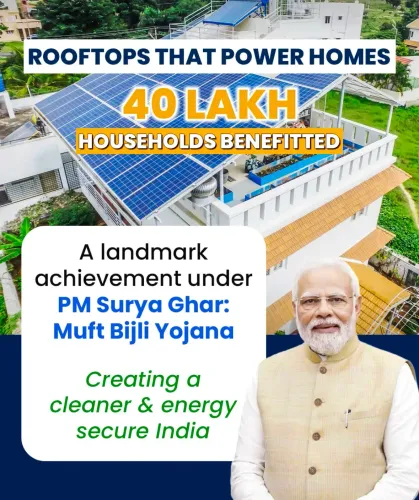
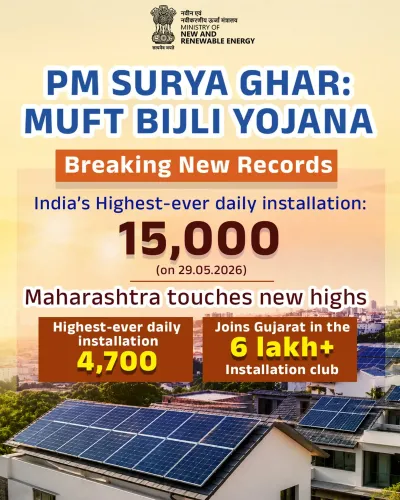
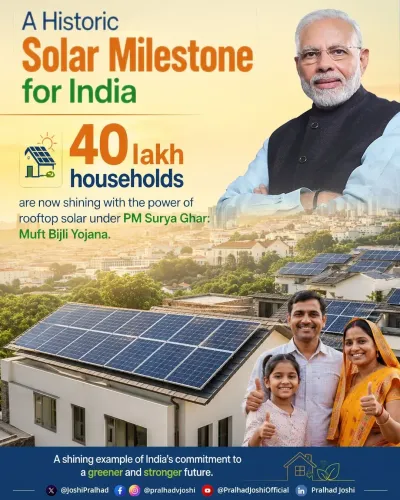
Joshi specifically urged households to install rooftop solar panels to advance energy self-reliance and environmental conservation.
As minister for both Consumer Affairs and New and Renewable Energy , Joshi's dual portfolio makes him a natural advocate for both pillars of the message.
The post aligns with the government's broader Viksit Bharat (Developed India) communication framework, using festive-season reach to push policy priorities.
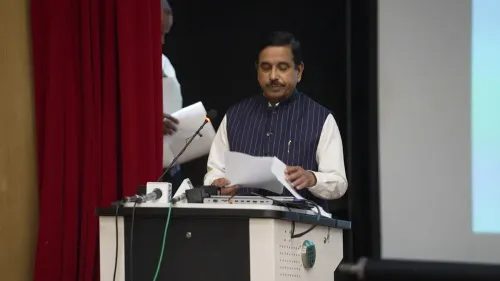
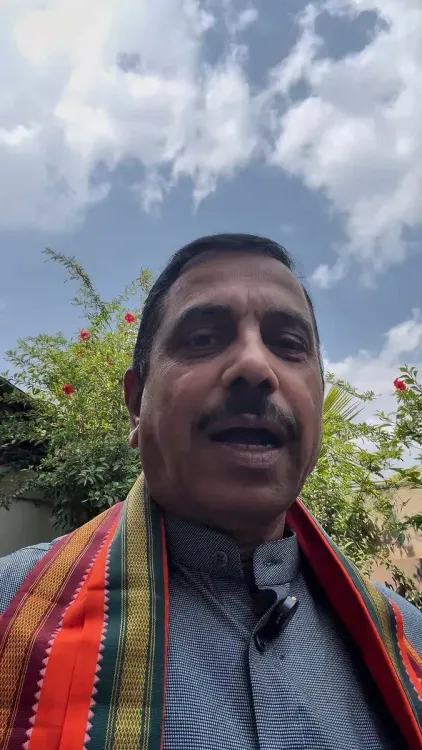
This Diwali, Union Minister Pralhad Joshi is asking every Indian household to light more than just diyas — he wants them to light up rooftops with solar panels and shopping carts with homegrown goods. On Sunday, 8 November 2026, Joshi posted a Diwali message in Kannada on X, weaving together the festival of lights with a pointed call for swadeshi consumption and rooftop solar adoption.
Translated from Kannada, Joshi wrote: 'ನಾಡಿನ ಸಮಸ್ತ ಜನತೆಗೆ ದೀಪಾವಳಿ ಹಬ್ಬದ ಹಾರ್ದಿಕ ಶುಭಾಶಯಗಳು' ['Heartfelt Diwali greetings to all the people of the land']. He urged citizens to 'use domestic products, encourage local production, and strengthen our economy' in the spirit of Prime Minister Narendra Modi's Atmanirbhar Bharat vision. His second ask was equally concrete: install rooftop solar panels to advance energy self-reliance, environmental conservation, and sustainable development.
Diwali as a Swadeshi Campaign Moment
The timing is deliberate. India's festive season — spanning Navratri through Diwali — is the country's single largest consumer spending window, making it a natural stage for 'vocal for local' messaging. The Atmanirbhar Bharat Abhiyan, launched by PM Modi in May 2020 alongside a special economic package, was explicitly designed to reduce import dependence and channel consumer demand toward Indian manufacturers. Six years on, ministers like Joshi continue to invoke it as a living framework, not a one-off announcement.
Joshi holds a uniquely relevant double portfolio here: as Union Minister for Consumer Affairs, Food and Public Distribution, he shapes how Indians buy; as Minister for New and Renewable Energy, he shapes how they power their homes. His post is therefore less a generic festival wish and more a minister using the season to reinforce two of his own department's priorities simultaneously.
The Solar Push Inside a Festival Greeting
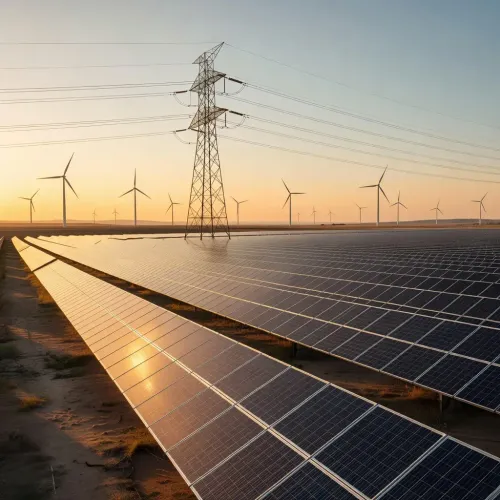
The rooftop solar call is the sharper policy signal in the message. India has set ambitious renewable energy targets, and household-level solar adoption remains a critical — and often under-penetrated — piece of that puzzle. By embedding the ask inside a Diwali greeting, Joshi is using the festival's symbolism of light to make energy self-sufficiency feel personal, not bureaucratic.
The post calls on citizens to 'join PM Modi's Atmanirbhar Bharat resolve and take a pledge this Diwali to build a developed, self-reliant, and prosperous India.' The language mirrors the broader 'Viksit Bharat' (Developed India) narrative the BJP government has built its current-term communication around — a signal that festive-season outreach is now a fully integrated part of the policy messaging machine.
When a minister's Diwali greeting doubles as a renewable energy advisory, the festival and the policy agenda have truly merged. The question now is whether citizens light their rooftops as readily as they light their lamps.
Point of View
He is effectively cross-promoting two of his own ministerial mandates without it feeling like a government circular. The continued invocation of Atmanirbhar Bharat six years after its launch signals that it remains the government's preferred macro-frame for economic nationalism, now grafted onto the 'Viksit Bharat' idiom. For Joshi personally, posting in Kannada underscores his identity as a Karnataka leader even from a Union cabinet seat — a dual-audience play that resonates both nationally and in his home state.
NationPress
8 Nov 2026
Frequently Asked Questions
What did Pralhad Joshi say in his Diwali 2026 message?
Joshi wished citizens a happy Diwali and urged them to use domestically made products, support local manufacturing, and install rooftop solar panels on their homes as part of PM Modi's Atmanirbhar Bharat resolve.
What is Atmanirbhar Bharat?
Atmanirbhar Bharat Abhiyan is a national self-reliance campaign launched by Prime Minister Narendra Modi in May 2020. It aims to boost indigenous production, reduce import dependence, and strengthen India's economic resilience through 'vocal for local' consumption.
Why is Pralhad Joshi promoting rooftop solar panels?
As Union Minister for New and Renewable Energy, Joshi oversees India's solar targets. He is using the high-visibility Diwali season to encourage household-level solar adoption, framing it as a step toward energy self-reliance and environmental conservation.
What portfolios does Pralhad Joshi hold?
Joshi is the Union Minister for Consumer Affairs, Food and Public Distribution, and also the Union Minister for New and Renewable Energy. He is a senior BJP leader from Karnataka.
What is the 'vocal for local' campaign in India?
'Vocal for local' is a consumer-awareness push that is part of the Atmanirbhar Bharat initiative. It encourages Indians to prefer domestically manufactured goods over imports to support local industries and strengthen the economy.