Maharashtra drought: CM Fadnavis tours Marathwada, Solapur; Dy CM Shinde in Vidarbha
Synopsis
Maharashtra's drought crisis has pushed the state's top leadership to the fields: CM Fadnavis is touring Marathwada and Solapur, Dy CM Shinde is in Vidarbha, and a newly empowered Cabinet Sub-Committee has been handed full powers to disburse relief — all before any Central government funds arrive. El Niño-driven crop failure across soybean, maize, cotton, and paddy has made this one of the state's most acute agrarian emergencies in recent years.
Key Takeaways
CM Devendra Fadnavis is conducting a field tour across Latur , Dharashiv , and Solapur districts on 24 September 2026 to assess drought damage.
Deputy CM Eknath Shinde is leading crop assessment drives in Buldhana , Akola , and Amravati in Western Vidarbha .
A Cabinet Sub-Committee chaired by Revenue Minister Chandrashekhar Bawankule has been granted full cabinet powers to execute drought relief.
A preliminary drought notification is expected by Saturday ; statewide panchnamas began on Wednesday .
Major crops — soybean , maize , cotton , and paddy — have been extensively damaged by an El Niño -driven rainfall deficit.
A centralised War Room has been set up in Jalna to monitor crop health, water storage, fodder supply, and potential rural migration across 52 revenue circles .
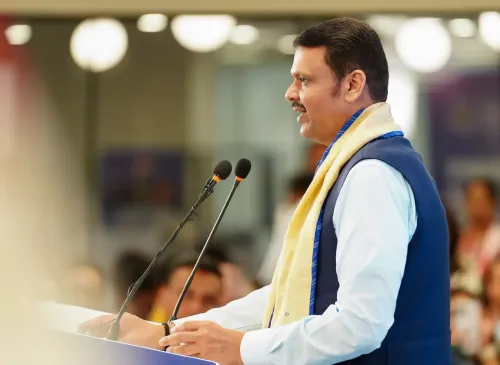
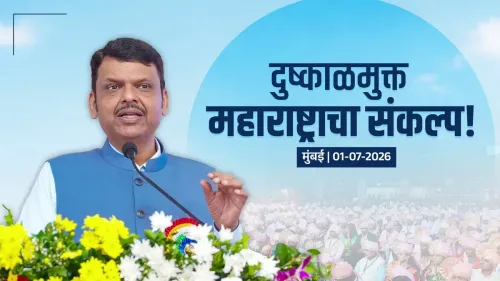
Chief Minister Devendra Fadnavis on Wednesday, 24 September 2026, launched an extensive field tour across Latur, Dharashiv, and Solapur districts to directly assess crop damage as a severe drought grips large parts of Maharashtra, threatening the livelihoods of thousands of farmers. The state's top cabinet leadership has simultaneously fanned out across affected regions — from Marathwada to Vidarbha — as the government moves to fast-track relief without waiting for Central government funds.
Ground-Zero Inspections Across Drought Zones
CM Fadnavis began his tour by inspecting moisture-stressed and withered crops in Jau, Kharosa, and Lamjana villages under Ausa and Nilanga talukas. According to BJP MLA Abhimanyu Pawar, the Chief Minister held a direct dialogue with farmers at Kharosa. He was accompanied by Public Works Minister Shivendraraje Bhosale and Dharashiv Guardian Minister Pratap Sarnaik, with visits scheduled to Karajkheda in Dharashiv taluka and Malkapur in Kalamb taluka.
The itinerary further covers Yermala (Kalamb), Tuljapur, and three major drought-hit locations in Solapur district. Relief packages and policy declarations are expected to follow the field inspections.
Deputy CMs Take Charge in Vidarbha and Amravati
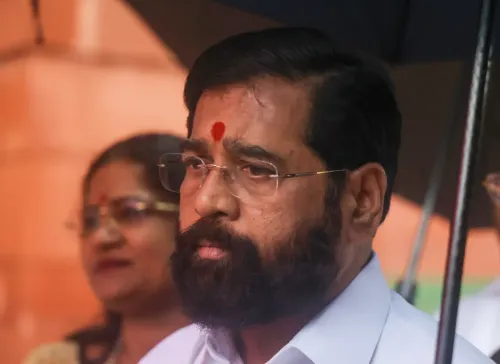
Deputy Chief Minister Eknath Shinde is leading crop assessment drives across Buldhana, Akola, and Amravati districts in Western Vidarbha. He has directed all Shiv Sena ministers to proceed to affected villages, conduct panchnamas (official crop damage assessments), and hold Janata Durbars (public grievance hearings). Shinde pledged the full financial and administrative support of the state government to the farming community.
Separately, Deputy Chief Minister Sunetra Pawar reviewed the deteriorating drought situation in the Warud-Morshi belt of Amravati district following a briefing by former Morshi MLA Devendra Bhuyar. Pawar contacted the Amravati District Collector to direct immediate administrative intervention on drinking water shortages and agricultural distress.
War Room in Jalna, High-Level Review in Navi Mumbai
With prolonged dry spells recorded across all eight talukas and 52 revenue circles in Jalna, Collector Aashima Mittal has issued orders establishing a centralised War Room. The command centre will monitor daily data on crop health, fodder availability, water storage, tanker-filling stations, premature crop-cutting experiments, e-crop surveys, and potential rural migration.
Agriculture Minister Dattatray Bharane on Tuesday evening chaired a high-level review at CIDCO Bhavan in Navi Mumbai, covering water scarcity and agricultural losses across Sindhudurg, Ratnagiri, Raigad, Thane, and Palghar districts.
Cabinet Sub-Committee Formed, Full Powers Granted
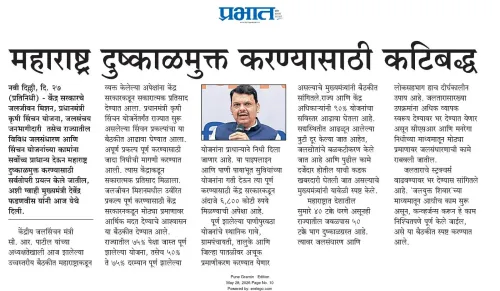
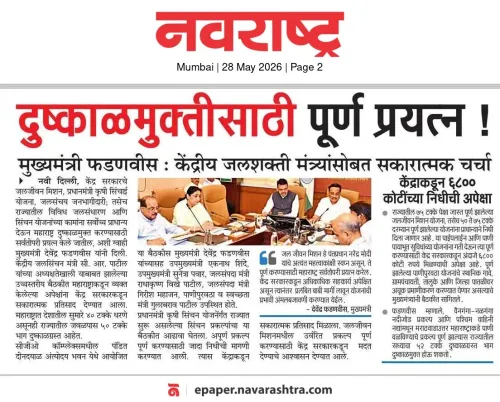
On Tuesday, CM Fadnavis announced the creation of a Cabinet Sub-Committee chaired by Revenue Minister Chandrashekhar Bawankule to oversee drought relief across Maharashtra. The panel has been vested with full cabinet powers to take swift decisions based on incoming field data.
Speaking to the media after chairing the weekly cabinet meeting, Fadnavis stated that the state government will extend immediate assistance to affected farmers. He said, 'I will personally begin inspecting affected areas starting tomorrow, and I have directed all ministers and elected representatives to go directly to the ground to assess the damage.' A preliminary notification formally declaring drought-like conditions is expected by Saturday, and a proposal requesting Central relief funds under NDRF norms will follow.
Scale of Damage and What Comes Next
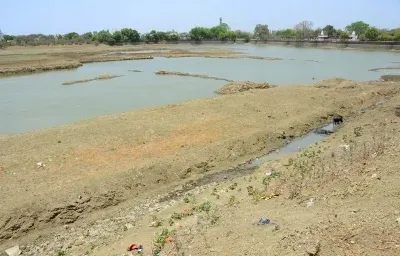
A deficit rainfall season attributed to the El Niño phenomenon has devastated major crops — including soybean, maize, and cotton — while paddy fields in the Konkan region have also been severely impacted. Official panchnamas were directed to begin statewide on Wednesday. The government has indicated that drinking water supply and livestock fodder will receive special priority over the next seven to eight months, co-ordinated through municipal bodies and local self-government institutions.
With the Cabinet Sub-Committee empowered to act immediately, the scale of relief packages will become clearer as field data from across the state is consolidated in the coming days.
Point of View
And ground-zero photo-ops by ministers have not historically translated into lasting relief architecture. The decision to act before Central funds arrive is notable, but the real test will be whether the Cabinet Sub-Committee's 'full powers' produce verifiable compensation payouts to farmers, or whether the panchnama exercise becomes another data-collection ritual that stalls in administrative bottlenecks. With the El Niño pattern still active and reservoir levels depleted, the drinking water crisis over the next seven to eight months may prove harder to manage than the immediate crop loss — and that challenge has received far less political attention so far.
NationPress
23 Sept 2026
Frequently Asked Questions
Why is Maharashtra facing an agrarian crisis in September 2026?
A deficit monsoon driven by the El Niño phenomenon has devastated crops across Marathwada, Vidarbha, Khandesh, and Western Maharashtra, damaging soybean, maize, cotton, and paddy crops while also triggering acute shortages of drinking water and livestock fodder. The crisis has pushed the state government to launch emergency field inspections and establish a dedicated relief command structure.
What relief measures has the Maharashtra government announced?
CM Fadnavis announced a Cabinet Sub-Committee chaired by Revenue Minister Chandrashekhar Bawankule, vested with full cabinet powers to disburse drought relief. The government will begin statewide panchnamas on Wednesday, issue a formal drought notification by Saturday, and deploy relief immediately without waiting for Central government funds under NDRF norms.
Which districts are worst affected by the Maharashtra drought?
The drought spans Marathwada (Latur, Dharashiv), Vidarbha (Buldhana, Akola, Amravati), Jalna, Solapur, and parts of Konkan including Sindhudurg, Ratnagiri, Raigad, Thane, and Palghar. Jalna alone has recorded dry spells across all eight talukas and 52 revenue circles.
What is the Jalna War Room set up by the district collector?
Jalna Collector Aashima Mittal established a centralised War Room to monitor daily data on crop health, fodder availability, water storage, tanker-filling stations, premature crop-cutting experiments, e-crop surveys, and potential rural migration. It covers all eight talukas and 52 revenue circles in the district.
Will Maharashtra wait for Central government funds before releasing drought relief?
No. CM Fadnavis explicitly stated that the state government will extend immediate assistance to affected farmers without waiting for Central financial aid. A formal proposal requesting Central relief under NDRF norms will be submitted separately once field data is compiled.