Maharashtra drought: Fadnavis open to Sharad Pawar's suggestions, relief measures underway
Synopsis
Maharashtra's ruling government and opposition are locked in a familiar tug-of-war over drought declaration, but the scale of crop failures in Vidarbha and Marathwada — spanning soybean, cotton, and six other kharif crops — means the political argument has urgent humanitarian stakes. With panchnamas beginning only on 5 October, farmers in the worst-hit talukas face weeks of uncertainty before formal relief flows.
Key Takeaways
CM Devendra Fadnavis confirmed on 18 September 2026 that Maharashtra's farm loan waiver programme is active, with three beneficiary lists already published.
Crop damage assessments (panchnamas) under NDRF protocols will begin on 5 October to secure central financial assistance.
Sharad Pawar demanded an immediate drought declaration, financial aid of at least ₹50,000 per hectare , and a ₹25,000 package for landless farm-labour households.
Deputy CM Eknath Shinde acknowledged dry spells have damaged standing crops in Vidarbha and Marathwada .
Crops including soybean, cotton, bajra, maize, tur, moong, and udid have withered due to rainfall failure, worsened by pest infestations.
The government said it is open to Pawar's 'constructive suggestions' without giving the issue a political colour.
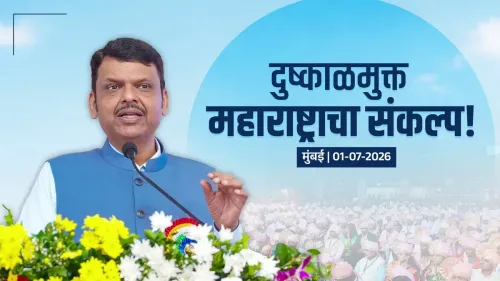
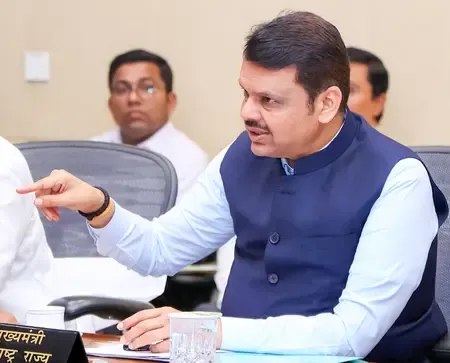
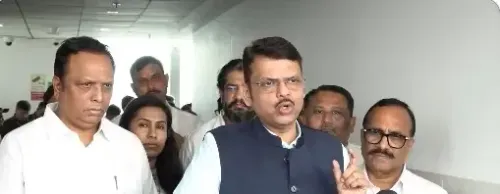
Maharashtra Chief Minister Devendra Fadnavis on Friday, 18 September 2026, said the state government has already initiated several key drought mitigation and farmer relief measures, and is open to further constructive suggestions from Nationalist Congress Party (Sharad Pawar faction) chief Sharad Pawar — without, he stressed, giving the issue a political colour. Fadnavis was responding to a formal letter from Pawar urging immediate state intervention in what the veteran leader described as a deepening drought-like crisis across Maharashtra.
Relief Measures Already in Motion
Fadnavis confirmed that the state's farm loan waiver programme is actively underway. Three beneficiary lists have already been published, with additional lists in preparation to ensure all eligible farmers are covered. Crop damage assessments — known as panchnamas — are set to begin on 5 October in accordance with National Disaster Response Fund (NDRF) protocols, with findings to be submitted to the Centre to secure federal financial assistance.
The state is also making provisions for fodder camps and drinking water supply in severely affected regions. Fadnavis said the government is treating the drought situation with 'utmost seriousness', a phrasing officials used to underscore that administrative action predates Pawar's letter.
Deputy CM Shinde Reviews Rainfall Situation
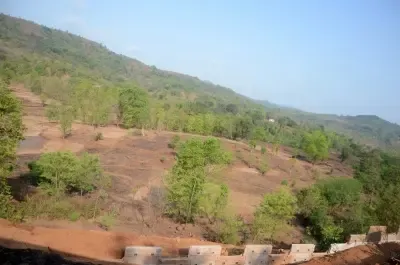
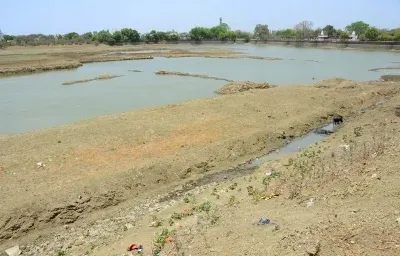
Deputy Chief Minister Eknath Shinde separately reviewed the state's rainfall data and reassured farmers reeling from dry spells. He acknowledged that prolonged rainfall deficits have scorched standing crops in parts of Vidarbha and Marathwada — two of Maharashtra's most agriculturally vulnerable regions — and pledged that the government would not abandon the farming community. Crop loss assessments are currently underway to link aid disbursement to verified, on-ground losses.
What Sharad Pawar Demanded
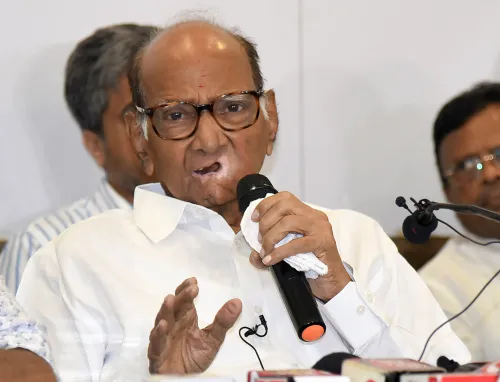
In his letter, Pawar painted a grim picture of conditions across the state. He noted that crops including soybean, cotton, pearl millet (bajra), maize, pigeon pea (tur), green gram (moong), and black gram (udid) have withered due to the failure of rains, compounded by a spike in pest infestations. He warned that the situation regarding agriculture, drinking water, and fodder supply is 'set to worsen'.
Pawar's demands included: bypassing standard procedural norms to declare drought immediately; identifying the worst-hit talukas and implementing relief without delay; providing financial aid of at least ₹50,000 per hectare to affected farmers; a special assistance package of ₹25,000 for landless farm-labour households; and an immediate farm loan waiver to enable fresh crop credit.
Political Backdrop and What It Means for Farmers
This comes amid a well-worn pattern in Maharashtra politics: opposition leaders — particularly Pawar, a dominant figure in agrarian politics — writing to the ruling dispensation to accelerate drought declarations, while the government insists processes are in order. The distinction matters for farmers: a formal drought declaration unlocks a wider basket of central and state relief, whereas administrative measures short of that threshold leave gaps in coverage.
Notably, Vidarbha and Marathwada have faced recurring agrarian distress for over a decade, with rainfall variability, input cost pressures, and price volatility combining to push farm households into chronic debt. The current episode, if assessments confirm the scale Pawar describes, could qualify several talukas for the highest tier of relief under NDRF norms. A formal declaration — or the government's decision not to make one — is expected to emerge once the 5 October panchnama data is compiled and reviewed.
Point of View
Timeliness is as important as quantum of relief. Pawar's demand for ₹50,000 per hectare is aggressive relative to past norms, but it reflects a decade of inadequate compensation cycles. The real gap in this exchange is verification: neither side has addressed how quickly panchnama data will be processed into actual disbursements. Maharashtra's agrarian crisis is structural, not seasonal, and another round of pledges without a credible disbursement timeline will do little to restore farmer confidence in the system.
NationPress
18 Sept 2026
Frequently Asked Questions
What drought relief measures has the Maharashtra government announced?
The Maharashtra government has activated its farm loan waiver programme, published three beneficiary lists, and is preparing additional lists for eligible farmers. Crop damage assessments (panchnamas) under NDRF protocols will begin on 5 October, with findings submitted to the Centre to unlock federal aid. The state is also arranging fodder camps and drinking water supply in affected regions.
What did Sharad Pawar demand in his letter to CM Fadnavis?
Pawar demanded an immediate drought declaration bypassing standard procedural steps, identification of the worst-hit talukas, financial aid of at least ₹50,000 per hectare for affected farmers, a special package of ₹25,000 for landless farm-labour households, and an immediate farm loan waiver to enable fresh crop credit.
Which crops have been damaged by the rainfall failure in Maharashtra?
According to Pawar's letter, soybean, cotton, pearl millet (bajra), maize, pigeon pea (tur), green gram (moong), and black gram (udid) have withered due to deficient rains. Pest infestations have compounded the damage, particularly in Vidarbha and Marathwada.
Why has a formal drought not been declared yet?
The Maharashtra government says it is following NDRF protocols, which require crop loss assessments (panchnamas) to be completed before a formal drought is declared and central funds are sought. These assessments are scheduled to begin on 5 October 2026.
Which regions of Maharashtra are most severely affected by the drought-like conditions?
Vidarbha and Marathwada are the most severely impacted regions, according to Deputy CM Eknath Shinde, who acknowledged that dry spells have scorched standing crops there. Both regions have faced recurring agrarian distress over the past decade due to rainfall variability and price volatility.