Sharad Pawar to tour Maharashtra drought regions from Sep 28
Synopsis
With Maharashtra's farms parched and the state's own drought-assessment computer system reportedly lapsed since 2024, Sharad Pawar is heading into the fields on 28 September — armed with a 9-point charter demanding ₹50,000-per-hectare relief, immediate loan waivers, and a drought declaration that the Fadnavis government has so far withheld.
Key Takeaways
Sharad Pawar will tour Maharashtra's drought-hit districts from 28 September 2026 , directly visiting farms and meeting affected farmers.
Pawar has submitted a 9-point charter to CM Devendra Fadnavis demanding immediate drought declaration, ₹50,000/hectare compensation, and an immediate farm loan waiver.
NCP-SP MLA Rohit Pawar revealed that the state's drought assessment system Maha-MADAT has had no valid tenure since Kharif 2024 , crippling official drought identification.
The state government has scheduled crop damage assessments ( panchnamas ) to begin on 5 October 2026 , but farmers are anxious over relief delays.
NCP-SP will hold a state-level strategy meeting on 28 September in Mumbai , chaired by state President Shashikant Shinde , with Supriya Sule present.
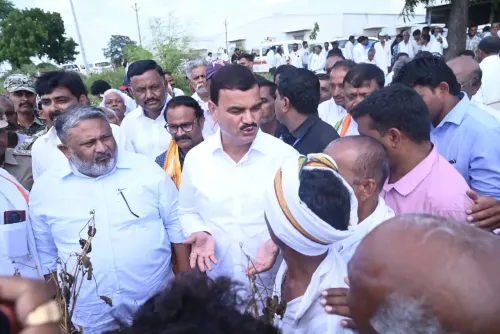
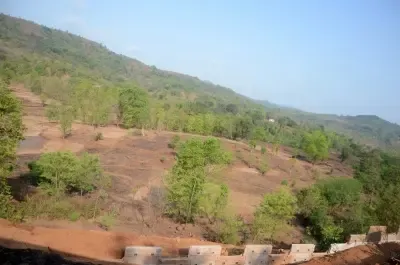
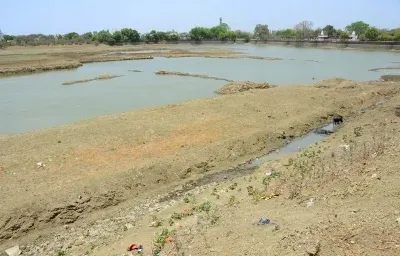
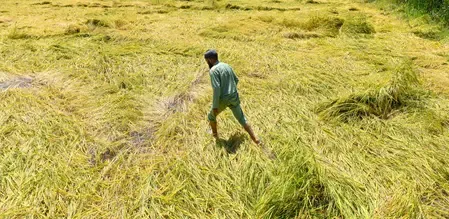
Nationalist Congress Party-SP chief Sharad Pawar will undertake a ground-level tour of Maharashtra's drought-affected districts beginning Monday, 28 September 2026, directly visiting farms to assess crop damage and engage with distressed farmers. The move comes as severe drought conditions — driven by inadequate rainfall this season — grip large parts of the state, intensifying an already charged agrarian crisis.
What Pawar Has Demanded from the State Government
In a formal letter to Chief Minister Devendra Fadnavis, Pawar had earlier submitted a 9-point charter of demands, urging the government to declare a state-level drought immediately without waiting for formal technical criteria. Among the key demands: immediate compensation of ₹50,000 per hectare to affected farmers and ₹25,000 in special financial aid to landless farm labourer families, an immediate farm loan waiver, and fresh crop loans.
He also demanded that the government increase the incentive subsidy for farmers with consistent loan repayments from ₹50,000 to ₹1,00,000, and extend the waiver to cover defaulting farmers from the 2025–26 season. Pawar urged the retroactive application of the Re 1 crop insurance scheme with all previously excluded trigger points restored, and the immediate disbursal of the promised ₹17,000 per hectare compensation for unseasonal rain damage from last year.
Further demands include special works under the Employment Guarantee Scheme (MGNREGA) focused on agriculture and water conservation, dedicated water tankers for fruit orchards, and immediate village surveys for drinking water shortages. Pawar also called for cattle fodder camps, veterinary services on demand, priority repair of faulty transformers to address load-shedding, and the setting up of state- and district-level control rooms to monitor daily rainfall, crop health, water scarcity, and fodder availability. Notably, he demanded a complete waiver of tuition and academic fees — not merely examination fees — for students in drought-affected talukas.
Rohit Pawar Flags Critical Flaw in Drought Assessment System
NCP-SP MLA Rohit Pawar has already begun touring drought-hit areas and has levelled pointed criticism at the state machinery. In a post on X, he highlighted a serious gap in the government's drought assessment infrastructure. He noted that Maha-MADAT — an advanced computer system developed by the government and considered critical for determining Trigger-1 and Trigger-2 drought thresholds — had its tenure with the Maharashtra Remote Sensing Application Centre (MRSAC), Nagpur, lapse after the Kharif season of 2024.
'The shocking fact is that the tenure given to MRSAC for this computer system, Maha-MADAT, was only up to the Kharif season of 2024. Despite the Agriculture Department repeatedly submitting proposals for extension of tenure, this government has not yet taken any decision on it. While Maharashtra is burning in drought, how can the government sleep for two whole years like this? The government should immediately complete the necessary processes, declare drought in the state, and implement relief measures accordingly,' Rohit Pawar said.
State Government's Response and Relief Timeline
Chief Minister Fadnavis had earlier directed all guardian ministers to conduct field reviews in their respective districts to fast-track relief measures. The state has announced that formal crop damage assessments — known as panchnamas — will begin on 5 October 2026. However, farmers have expressed anxiety over what they describe as delays in relief disbursement. Fadnavis has, in turn, accused the opposition of politicising the agrarian crisis.
NCP-SP's Sep 28 State Meeting to Finalise Strategy
Running parallel to Pawar's field visits, the NCP-SP has convened a comprehensive state-level party meeting on 28 September 2026 in Mumbai, to be chaired by state President Shashikant Shinde in the presence of Working President Supriya Sule. The meeting will include party MPs, MLAs, state office-bearers, district and taluka heads, and frontal organisation chiefs.
The agenda covers the drought and water scarcity situation's impact on rural life, youth unemployment, paper leaks and examination malpractices, the State Infrastructure/Information Register (SIR), the current political landscape in Maharashtra, and strategies for organisational expansion. The twin moves — a ground-level tour and a high-level party strategy session on the same day — signal that NCP-SP is calibrating the drought issue both as a humanitarian and a political flashpoint heading into the coming months.
Point of View
Then every official figure on drought coverage is suspect. Pawar's 9-point charter is aggressive but conventional; what is unconventional is the government's apparent inability to even certify the scale of the crisis it is being asked to address. Fadnavis's counter-charge of politicisation rings hollow when his own Agriculture Department's extension proposals were left unactioned. The real question is not whether Maharashtra is in drought — farmers already know it is — but whether the state has the administrative machinery to deliver relief at speed before the kharif season's damage becomes irreversible.
NationPress
21 Sept 2026
Frequently Asked Questions
Why is Sharad Pawar touring Maharashtra's drought-affected areas?
Pawar is touring drought-hit Maharashtra districts from 28 September 2026 to directly assess crop damage and engage with farmers facing acute distress due to inadequate rainfall this season. The tour is part of NCP-SP's escalating pressure campaign on the Fadnavis government to declare a drought and release immediate relief.
What are Sharad Pawar's key demands from the Maharashtra government?
Pawar has submitted a 9-point charter demanding an immediate state-level drought declaration, ₹50,000 per hectare compensation for affected farmers, ₹25,000 aid to landless farm labourers, a farm loan waiver, fresh crop loans, retroactive application of the Re 1 crop insurance scheme, and waiver of tuition fees for students in drought-hit talukas.
What is the Maha-MADAT system and why is it controversial?
Maha-MADAT is an advanced government computer system used for determining drought trigger thresholds (Trigger-1 and Trigger-2), developed with MRSAC, Nagpur. NCP-SP MLA Rohit Pawar has alleged that its operational tenure lapsed after Kharif 2024 and the Agriculture Department's repeated proposals for renewal have gone unaddressed, undermining the government's ability to accurately identify and declare drought-affected talukas.
When will Maharashtra begin formal crop damage assessments?
The Maharashtra state government has announced that crop damage assessments, known as panchnamas, will begin on 5 October 2026. However, farmers have expressed concern about delays in the actual disbursement of relief funds following these assessments.
What is NCP-SP's broader political strategy on the drought issue?
Beyond Pawar's field tour, NCP-SP has called a state-level party meeting on 28 September 2026 in Mumbai, chaired by state President Shashikant Shinde and attended by Supriya Sule, MPs, MLAs, and party office-bearers. The meeting will formalise the party's stance on drought relief, youth unemployment, and organisational strategy — signalling that NCP-SP is treating the agrarian crisis as a major political and electoral issue.